
Tools
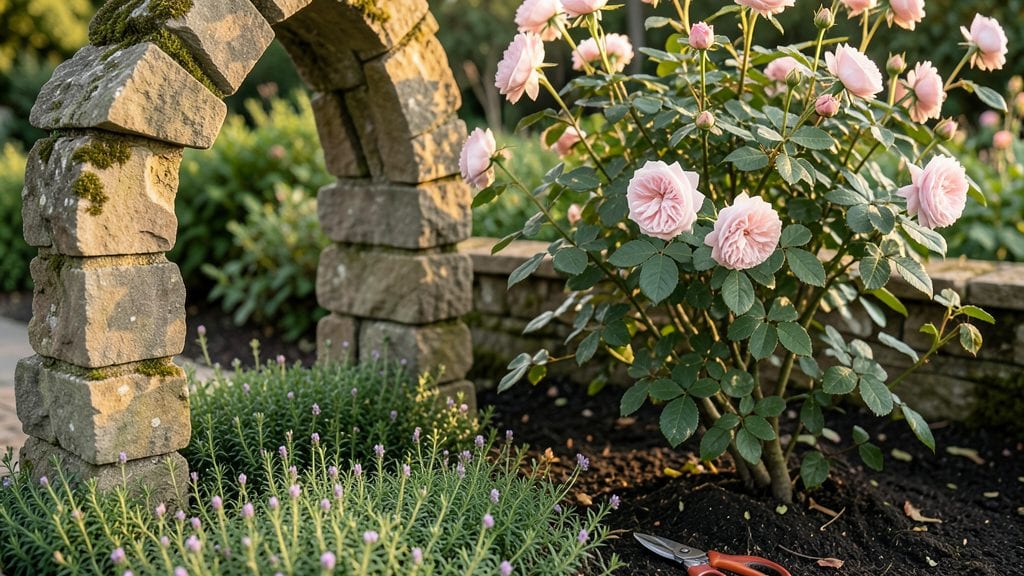
English garden pictures always make me smile—those overflowing borders, the scent of roses tangled with lavender, and the way sunlight dances through topiary shapes. 🌿 The real magic isn’t just the plants, though; it’s how they’re arranged to feel like stepping into a storybook.
I’ve spent years studying these layouts, and the secret isn’t fancy tools or rare species—it’s the way light, color, and texture play together to create that dreamy, lived-in charm.
What makes these gardens work is their mix of structure and spontaneity: neatly pruned hedges framing wildflower drifts, climbing roses on arbors, and pathways that invite you to wander.
You don’t need a sprawling yard—even a small backyard can pull off this look with the right plant choices and a few clever design tricks. Think lavender for fragrance, roses for romance, and boxwood for crisp edges, all layered to feel effortless.
The best part? These gardens thrive year-round with minimal fuss. In spring, the blooms are showstoppers; summer brings lush foliage and buzzing bees; autumn delivers fiery hues; and winter reveals the quiet beauty of bare branches dusted with frost.
You’ll end up with a space that feels like a hug from Mother Nature—whimsical, inviting, and full of life—without the high-maintenance reputation.
Whether you’re drawn to the romantic cottage style, the orderly formality of classic English gardens, or the wild beauty of meadows, the principles are the same: layer plants, play with heights, and let nature do the rest. Ready to bring that timeless charm to your own backyard?
📚 In This Guide
- What you need
- Instructions
- Tips and common mistakes
- Wrapping up and next steps
What you need
- ● Perennials (for structure & color): Roses (10-15 bushes, mix of climbers & shrubs)
- ● Peonies (5-7 plants, fragrant & lush)
- ● Delphiniums (3-5 tall spikes, ~4-5 ft height)
- ● Foxgloves (10-12 plants, varying heights)
- ● Annuals (for seasonal pops): Pansies or Violas (20-30 plants, shade-tolerant)
- ● Sweet Alyssum (1-2 flat trays, for borders)
- ● Nasturtiums (10-12 plants, edible & trailing)
- ● Ornamental Grasses: 5-7 clumps (e.g., Stipa tenuissima or Miscanthus)
- ● Herbs & Edibles (for cottage charm): Lavender (3-5 bushes, drought-resistant)
- ● Thyme or Oregano (2-3 plants, ground cover)
- ● Edible flowers (e.g., nasturtiums, violets)
- ● Basic Gardening Tools: Trowel (stainless steel, ergonomic)
- ● Pruners (bypass, sharp & sanitized)
- ● Garden fork (heavy-duty, for digging)
- ● Hoe (stainless steel, for weeding)
- ○ Optional (but helpful!): Wheelbarrow (for hauling soil/plants)
- ● Kneeling pad (cushioned for comfort)
- ● Garden gloves (waterproof, breathable)
- ● String & stakes (for trellises/guides)
- ● Soil Prep: Compost (2-3 cubic yards, for enriching soil)
- ● Mulch (straw or bark, 1-2 bags)
- ● Decor & Ambiance: Vintage-style pots (mix of terracotta & cast iron)
- ● Trellises/arbors (wrought iron or wooden, 2-3 pieces)
- ● Garden flags or stakes (for plant labels)
- ● String lights or solar lanterns (for evening glow)
- ● Safety & Comfort: Sun hat & sunscreen (for outdoor work)
- ● Watering can (or hose with spray nozzle)
How to create your own whimsical English cottage garden
Transform your backyard into a storybook retreat with these timeless layouts that blend romance and charm.
🌿 Step 1: Choose a Central Focal Point
Every English cottage garden needs a centerpiece to anchor the design. I always start with a small arbor or trellis draped with climbing roses or clematis—it instantly adds vertical drama and softens the space. For a more rustic feel, a stone bench or weathered birdbath tucked into a corner works beautifully. Place it where it becomes the first thing visitors notice as they enter the garden.
If your space is small, even a simple wooden gate painted in muted sage or buttercream can serve as a focal point. The key is to create a sense of arrival, something that invites you to linger. I like to surround it with low-growing perennials like lavender or thyme to frame the centerpiece and draw the eye inward.
🪴 Step 2: Layer Plants in Soft, Natural Groups
English cottage gardens thrive on textural contrast and lush layers. Begin with tall plants like delphiniums or hollyhocks along the back borders, then add mid-height shrubs such as hydrangeas or peonies. Fill the gaps with spilling annuals like sweet alyssum or lobelia to create that signature "romantic tumble."
I group plants in odd-numbered clusters—threes or fives—because it feels more natural and less formal. Avoid neat rows; instead, let stems wander and leaves overlap slightly for that lived-in look. Use muted, earthy colors like dusty rose, sage green, and cream to keep the palette soft and cohesive. The goal is to mimic a garden that’s been loved for generations, not a freshly landscaped plot.
☀️ Step 3: Add Whimsical Pathways and Seating
No cottage garden feels complete without meandering paths that encourage exploration. I use stepping stones (like flagstone or slate) laid irregularly in the grass, connected by swaths of clover or creeping thyme. For a more structured look, a gravel path edged with low boxwood or dwarf lavender works wonders. The path should wind past your focal points, creating little "scenes" along the way.
Scatter small seating nooks—think a pair of wrought-iron chairs under a climbing rose or a wooden swing hanging from the arbor. Even a stack of old bricks with cushions can serve as an impromptu bench. These spots should feel like secret hideaways, not formal additions. I always include at least one shady corner with a wrought-iron table for afternoon tea, because that’s where the magic happens.
✂️ Step 4: Incorporate Rustic Accents and Greenery
English gardens are all about layering textures and materials. Add weathered wood—like an old ladder leaning against a fence or a stack of split logs as a planter. Hang copper pots filled with trailing ivy or ferns from the arbor for a touch of vintage elegance. Even simple twine tied around plant stakes or draped over a trellis adds charm without effort.
Don’t overlook evergreen elements like boxwood topiaries or holly bushes to provide structure year-round. I also tuck in ornamental grasses like fountain grass or switchgrass for movement and height. These details keep the garden interesting even in winter. The more you can mix natural and man-made elements, the more timeless and inviting it feels.
💧 Step 5: Maintain with Seasonal Touches
English gardens evolve with the seasons, so I plan for year-round interest. In spring, I add bulbs like daffodils and tulips for early color, then transition to late-blooming perennials like asters and chrysanthemums for fall. Summer is all about climbing roses and hydrangeas, while winter relies on evergreens and dried seed heads for texture.
I also refresh the garden with seasonal accents—like painted terracotta pots in summer or wreaths of dried flowers in autumn. Mulch with shredded bark or straw to keep the soil neat and add another layer of texture. The key is to let the garden feel alive, not static. A little maintenance—like deadheading spent blooms or trimming overgrown stems—keeps it looking effortlessly charming.
Tips & tricks for creating your whimsical English cottage garden
A few key insights will help you bring that storybook charm to life—without the overwhelm. The secret lies in those little details that make a garden feel like a lived-in dream.
The Focal Point Rule: Your centerpiece in Step 1 should be the first thing people notice, but it shouldn't dominate. I like to position mine where it frames a view—like an arbor that reveals a distant tree line or a bench that faces the sunset. The goal is to create a sense of arrival, not just a decorative center. Think of it as the "hero" of your garden's story, but one that invites people to explore further rather than stopping at the entrance.
Plant Layering Like a Pro: When arranging your plants in Step 2, remember the "tall-to-short" rule: place your delphiniums or hollyhocks at the back, then hydrangeas in the middle, and finally let your sweet alyssum spill over the edges. The key is to create that romantic tumble effect—don't be afraid to let stems wander naturally. I always leave about 3-4 inches between clusters so plants can breathe and fill in over time. This creates that signature cottage garden look where everything feels intentional but not rigid.
Pathway Secrets: For Step 3, the path should feel like an adventure, not a straight line. I like to curve paths slightly when possible—it makes the garden feel more intimate and encourages people to linger. If using stepping stones, space them about 2-3 feet apart and arrange them irregularly. For gravel paths, edge them with low-growing plants like creeping thyme to soften the transition between hard and soft landscaping. The path should feel like it's inviting you deeper into the garden's story.
Seasonal Maintenance Shortcuts: In Step 5, here's my biggest time-saver: group plants by their care needs. For example, put all your spring bulbs together so you can deadhead them at once, and cluster your summer roses near your hydrangeas for easy watering. I also keep a small basket of seasonal accents (like painted pots or dried flower wreaths) ready to swap out every few months. This makes seasonal transitions feel effortless rather than overwhelming. The magic of an English garden is that it always looks intentional, even when it's just you keeping it alive.
Pro Tips for English Garden Pictures
- A few key insights will help you bring that storybook charm to life—without the overwhelm.
- The Focal Point Rule: Your centerpiece in Step 1 should be the first thing people notice, but it shouldn't dominate.
- The key is to create that romantic tumble effect—don't be afraid to let stems wander naturally.
Frequently asked questions
What are the key elements of an English garden that I should include?
An authentic English garden typically features layered planting (tall shrubs, mid-height perennials, and low ground covers), whimsical touches like trellises, arbors, or vintage-style benches, and wildflower meadows for a natural look. Don’t forget colorful cottage flowers (roses, peonies, lavender) and ornamental grasses for texture.
When is the best time to plant an English garden?
For perennials and shrubs, aim for early spring or fall when soil is workable but not frozen. Bulbs (like tulips or daffodils) go in autumn, while annuals (like pansies) can be planted spring or summer. Evergreens thrive when planted in early spring to establish roots before winter.
How much does it cost to create an English garden?
Costs vary widely! A small DIY project (10x10 ft) with basic plants and materials might run $200–$500, while a full backyard transformation (1,000+ sq ft) could be $2,000–$10,000+, depending on hardscaping (stone paths, arbors) and rare plants. Pro tip: Start small and reuse materials (like old bricks or salvaged furniture) to save!
How do I maintain an English garden in rainy or humid climates?
English gardens thrive in moderate climates, but in wet areas, focus on well-draining soil (add compost or sand) and resistant plants like heuchera, hostas, or astilbe. Avoid overwatering—mulch heavily to prevent fungal issues. Elevate containers and use drip irrigation to keep roots dry.
Can I create an English garden in a small space, like a balcony or patio?
Use container gardening with tiered planters for height, vertical gardens (hanging baskets, wall trellises), and miniature varieties of classic flowers (like tea roses or dwarf lavender). Even a window box can hold sweet alyssum or petunias for that cottage charm.
What’s the easiest way to fix overgrown or messy English garden beds?
Start by pruning dead or leggy plants in late winter/early spring. Divide perennials every 3–4 years to rejuvenate them, and add fresh mulch to suppress weeds. For wildflower areas, let them grow naturally but mow once a year after blooming.
Wrapping up and next steps
From cozy English garden pictures to charming cottage layouts, your backyard can now feel like a storybook escape! 🌿 Whether you're dreaming of a quaint herb spiral, a winding path, or a serene water feature, the key is to start small and let your creativity bloom. Gather your tools, sketch your vision, and take that first step—your dream garden awaits!
🌱 Ready to Begin?
- Sketch your design—jot down ideas inspired by the layouts you love.
- Start with one feature—a flower bed, a bench, or a rustic fence.
- Enjoy the process! Every plant, stone, and path adds to your garden’s magic.