
Vegetables
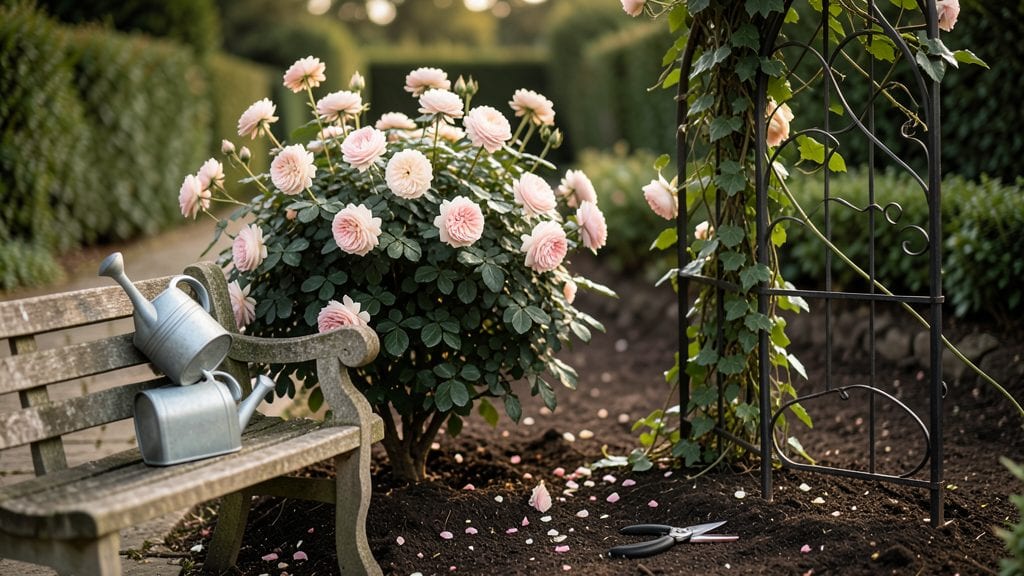
English gardens latest designs blend rustic charm with modern flair, creating spaces that feel both nostalgic and fresh. 🌿 I fell in love with this style after visiting a cottage garden that bloomed from spring through frost—roses, lavender, and hydrangeas layered in soft pastels and deep greens.
The magic isn’t just the plants but how they’re arranged: winding paths, arbors draped with climbing roses, and mixed borders that spill with color.
The key to modern English gardens is balancing structure with spontaneity—think neatly pruned hedges framing wildflower drifts or geometric gravel paths leading to a cozy seating nook. You don’t need a sprawling estate; even small yards can borrow these elements with container gardens, trellises, and seasonal swaps.
The latest trends lean into "wildly cultivated" looks, where perennials like peonies and delphiniums mingle with ornamental grasses for texture.
What sets these gardens apart is their year-round appeal: evergreen shrubs like boxwood provide winter structure, while hellebores and winter jasmine add early color. The result? A garden that feels alive in every season, with layers of scent, color, and movement.
You’ll want to linger, whether sipping tea under a pergola or wandering through fragrant herb borders.
Perfect for gardeners who love tradition but crave contemporary twists—whether you’re redesigning a formal backyard or softening a modern patio. Here’s how to bring these timeless yet fresh ideas to life in your own space.
📚 In This Guide
- What you need
- Instructions
- Tips and common mistakes
- Wrapping up and next steps
What you need
- ● Soil: Topsoil (2–3 cubic yards, depending on garden size)
- ● Compost or well-rotted manure (1–2 bags per 10 sq. ft. for nutrient-rich soil)
- ○ Perlite or sand (optional, for improving drainage in clay-heavy soil)
- ● Plants: Perennials: Lavender, peonies, or daylilies (3–5 plants per variety)
- ● Shrubs: Boxwood, hydrangeas, or camellias (1–2 per type for structure)
- ● Seasonal blooms: Tulips, daffodils, and late-summer asters (bulbs/seeds as needed)
- ○ Herbs: Rosemary, thyme, or mint (optional, for fragrance and utility)
- ● Mulch: Organic mulch (cedar chips or straw, 2–3 inches deep)
- ● Garden trowel (for planting small bulbs/seeds)
- ● Shovel and spade (for digging and soil prep)
- ● Pruners (bypass pruners for clean cuts)
- ● Garden fork (for aerating soil)
- ● Wheelbarrow (for hauling soil/mulch)
- ● Hose with spray nozzle (or watering can for delicate plants)
- ● Garden gloves (heavy-duty for protection)
- ○ Optional: Kneeling pad, soil tester kit, or trellises for climbing plants
- ● Sunlight assessment: At least 6 hours of sunlight daily (partial shade for some perennials).
- ● Water source: Easy access to a hose or irrigation system (drip irrigation is ideal!).
- ● Design plan: Sketch your layout (consider height layers: tall shrubs at the back, mid-height perennials, and low ground covers).
- ○ Optional: Permit check (if adding structures like arbors or pathways).
How to create an English-inspired garden with seasonal interest
Here's how to blend classic English garden charm with modern, low-maintenance techniques for year-round beauty.
🌿 Step 1: Design with Layered Planting for Year-Round Color
Start by selecting plants that provide four seasons of interest—this is the hallmark of a true English garden. I begin with evergreen shrubs like boxwood or holly for structure, then layer in spring bulbs (tulips, daffodils), summer perennials (lavender, peonies), and autumn/winter interest plants (sedum, hellebores). The key is to stagger bloom times so there’s never a bare season.
Sketch your layout on graph paper, marking sun exposure (most English gardens thrive in full sun to partial shade) and soil types. English gardens often use well-draining, slightly acidic soil, so amend clay-heavy soil with compost and sand if needed. I like to group plants by height—tallest in the back, mid-height in the middle, and low-growing ground covers in front—to create that signature layered look.
☀️ Step 2: Incorporate Classic English Garden Features
No English garden is complete without arbors, trellises, or climbing roses—these add vertical interest and train vines like clematis or honeysuckle. I always include at least one ornamental fountain or birdbath for movement and sound, which adds to the tranquil atmosphere. For a touch of whimsy, add a stone bench or weathered urn—these elements age beautifully and blend seamlessly with nature.
Pathways are another must. Use stepping stones, gravel, or flagstone to define walkways while keeping the garden accessible. I prefer winding paths over straight lines to encourage exploration and create a sense of discovery. Mulch pathways with wood chips or crushed stone to suppress weeds and maintain that classic English look.
💧 Step 3: Establish a Watering and Maintenance Routine
English gardens are known for their lush, well-tended appearance, but they don’t require constant watering. Once established, most perennials and shrubs thrive with deep watering once a week (or more in dry spells). I water in the early morning to reduce evaporation and fungal diseases. Use a soaker hose for shrubs and a watering can with a rose attachment for delicate perennials to avoid damaging foliage.
Mulch heavily with 3-4 inches of organic mulch (like shredded bark or straw) to retain moisture, suppress weeds, and regulate soil temperature. Replenish mulch annually in early spring—this is when I also prune dead or overgrown branches and divide perennials that have outgrown their space. English gardens look effortless, but they do require seasonal upkeep to maintain their charm.
✂️ Step 4: Prune and Deadhead for Continuous Blooms
The secret to a garden that looks fresh all season is regular deadheading—remove spent blooms promptly to encourage more flowers. I deadhead roses, hydrangeas, and lavender weekly during their peak bloom season. For perennials like peonies and daylilies, I wait until the foliage yellows naturally before cutting back, as this protects next year’s blooms.
Prune shrubs like hydrangeas and lilacs in late winter or early spring before new growth appears. For climbing roses, I prune in late winter to shape the plant and encourage strong, healthy canes. This step is critical—over-pruning can weaken plants, while under-pruning leads to leggy, unruly growth. I always use clean, sharp shears and make cuts at a 45-degree angle just above a bud or leaf node.
🪴 Step 5: Add Seasonal Accents for Ever-Changing Beauty
English gardens shine because they evolve with the seasons. In spring, I add pansies or violas for early color, while summer calls for hollyhocks, delphiniums, and sweet peas. For autumn, I incorporate sedum, asters, and ornamental grasses for texture and movement. In winter, hellbores, winter jasmine, and evergreen shrubs keep the garden vibrant.
Don’t forget scented plants—English gardens are famous for their fragrance. I always include roses, jasmine, and lavender for a sensory experience. Scatter ornamental grasses like feather reed grass for movement and soften the garden’s edges. Finally, add seasonal decorations like wreaths, lanterns, or garden stakes with handwritten plant names to personalize the space and reflect the garden’s history.
Tips & tricks for perfect English-inspired gardens
A few strategic touches can transform your garden from ordinary to quintessentially English—here's what I've learned from years of perfecting these timeless designs.
Layering Like a Pro: In Step 1, don't just plant in rows—think vertically and horizontally. I like to add climbing roses to trellises behind taller shrubs, then tuck ground covers like ajuga at the front. This creates that signature "living tapestry" effect where every inch feels intentional. The key is to leave 12-18 inches of space between layers for proper airflow and sunlight penetration—crowding leads to disease and weak growth.
Soil Science Matters: English gardens thrive on that well-draining, slightly acidic soil mentioned in Step 1, but achieving it takes planning. If your soil tests heavy clay, mix in equal parts compost and coarse sand (about 2-3 inches mixed into the top 6 inches of soil). For sandy soils, incorporate peat moss or coconut coir to retain moisture. I test my soil annually—pH should stay between 6.0-7.0 for most English garden plants.
Pathway Perfection: When creating those winding paths in Step 2, consider using permeable materials like gravel or decomposed granite rather than solid paving. This allows rainwater to penetrate the soil instead of running off, which keeps your garden hydrated during dry spells. For a rustic look, I like to edge pathways with stepping stones or low boxwood hedges—this defines the walkway while keeping the natural feel.
Seasonal Transition Strategy: The real magic happens in Step 5 when you're adding seasonal accents. I create a "transition plant" list that bridges seasons—think catmint (blooms late summer to fall) or Russian sage (summer through early winter). These plants ensure your garden never looks bare between major blooming periods. For winter interest, I always include evergreen shrubs with berries like holly or pyracantha—they provide color and food for birds when everything else is dormant.
Pro Tips for English Gardens Latest
- A few strategic touches can transform your garden from ordinary to quintessentially English—here's what I've learned from years of perfecting these timeless designs.
- Layering Like a Pro: In Step 1, don't just plant in rows—think vertically and horizontally.
- Soil Science Matters: English gardens thrive on that well-draining, slightly acidic soil mentioned in Step 1, but achieving it takes planning.
Frequently asked questions
Got questions about creating or maintaining an English garden? Here are some of the most common queries—and their answers—to help you cultivate a lush, ever-blooming retreat with ease.
What are the key plants for an English garden with year-round blooms?
Classic English gardens blend perennials, shrubs, and climbers for continuous color. Start with roses (David Austin varieties), lavender, hydrangeas, and clematis for structure. Add seasonal favorites like peonies (spring), salvias (summer), chrysanthemums (fall), and winter jasmine or helllebore for winter interest. Layer evergreens (e.g., boxwood) for year-round greenery.
When is the best time to plant an English garden?
For established gardens, early spring (March–April) or fall (September–October) are ideal—soil is workable, and plants establish roots before extreme weather. Bulbs (like tulips or daffodils) go in fall, while tender perennials (e.g., lavender) wait until spring. If starting from scratch, plan a 2-year timeline: Year 1 focuses on perennials/shrubs; Year 2 adds climbers and annuals for gaps.
How much does it cost to create an English garden?
Costs vary widely based on size and materials. A small (500 sq ft) garden might run $1,500–$3,000 (plants, soil amendments, basic hardscaping). Larger designs or custom features (e.g., stone pathways, ponds) can exceed $10,000. Pro tip: Start with heirloom plants (often cheaper than hybrids) and DIY hardscaping (e.g., gravel paths) to save. Thrift stores and plant swaps also help!
How do I maintain an English garden in rainy climates?
English gardens thrive in moderate rainfall, but excess moisture can cause root rot or fungal issues. Ensure well-draining soil (amend with compost or sand if needed) and plant drought-tolerant varieties like lavender or sedum in soggy spots. Elevate containers, use gravel mulch (not organic), and avoid overcrowding. Drainage solutions: French drains or raised beds work wonders for wet areas.
Can I create an English garden in a small space, like a balcony or courtyard?
Container gardening
is perfect for small spaces. Use tiered planters for climbers (e.g., clematis), window boxes for herbs/flowers, and hanging baskets for trailing plants like fuchsias. Opt for compact varieties (e.g., miniature roses, dwarf hydrangeas) and vertical elements (trellises, espalier trees) to maximize charm. Even a 6-foot-wide patio can host a "mini English garden" with layered textures!
Wrapping up and next steps
English gardens continue to captivate with their effortless elegance and year-round charm, blending history with modern horticulture. Whether you’re drawn to cottage-style whimsy or structured parterres, these spaces prove that beauty thrives with intention—seasonal blooms, sustainable practices, and timeless layouts make them endlessly inspiring. 🌷
Ready to bring a touch of English allure to your own space? Start small: sketch a layout, source a few signature plants (like lavender or roses), and let nature do the rest. Your garden’s masterpiece is just a shovel’s depth away!