Landscaping
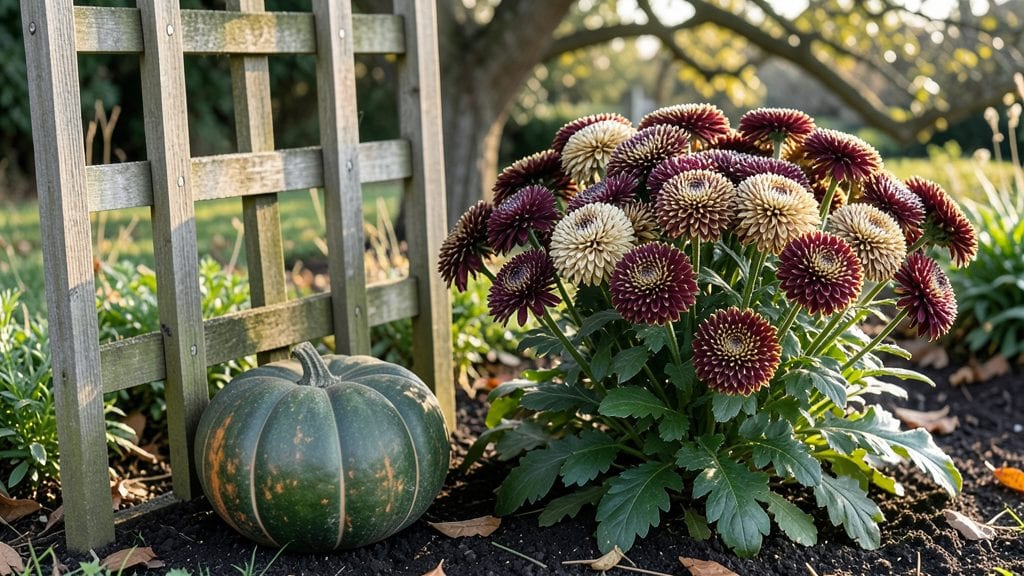
Fall garden design transforms your yard into a warm, inviting retreat without the fuss of summer upkeep. 🍂 I used to think autumn gardens were just about mums and pumpkins—but now I layer textures and colors that feel like a hug for the eyes.
The secret is mixing evergreens for structure with fiery annuals and deep-hued perennials that thrive in cooler weather.
You don’t need a big space or fancy tools—just a few key plants like ornamental grasses, burgundy smoke bush, and golden sedum. These stay vibrant through frost and require minimal pruning.
Add cozy seating or a harvest display of gourds, and suddenly your garden feels like a seasonal masterpiece that’s easy to maintain.
Picture morning light catching dew on burgundy leaves while the scent of woodsmoke lingers from nearby fire pits. The best part? Your garden will look stunning with 30 minutes of weekly care—no deadheading, no fighting weeds, just pure autumnal beauty that lasts until the first snow.
Works for small patios, large yards, or even containers. Here’s how to layer plants for maximum impact with minimal effort—your fall garden will be the talk of the neighborhood before you even break ground.
📚 In This Guide
- What you need
- Instructions
- Tips and common mistakes
- Wrapping up and next steps
What you need
- ● Perennials & Shrubs: Choose cold-hardy plants like Heuchera, Sedum, Hydrangea, or Viburnum (3–5 plants per variety).
- ● Bulbs: Plant Daffodils, Tulips, or Crocus (50–100 bulbs per type).
- ● Mulch: 2–3 inches of shredded bark or straw (cover entire garden bed).
- ● Seasonal Accents: Add ornamental grasses (e.g., Miscanthus), fall foliage (e.g., Japanese Maple), or evergreen topiaries.
- ● Basic Tools: Trowel, pruners, garden fork, and gloves (1–2 sets).
- ● Measuring Tools: Tape measure (10–25 ft) and level.
- ○ Optional: Wheelbarrow, kneeling pad, or a soil tester kit for pH checks.
- ● Soil Prep: Test soil pH (aim for 6.0–7.0) and amend with compost (2–3 inches).
- ● Sunlight Map: Note garden areas (full sun, partial shade, or full shade).
- ● Water Access: Ensure hoses or irrigation are nearby for post-planting care.
- ● Design Plan: Sketch layouts (include plant spacing—typically 12–24 inches apart).
Instructions for creating a cozy fall garden with seasonal layers
Here's how I design a welcoming fall garden that thrives with minimal fuss.
🌿 Step 1: Plan Your Four Seasonal Layers
Start by sketching a simple layout with four key layers: tall structures (trees, shrubs), mid-height plants (perennials, ornamental grasses), ground cover (low-growing foliage), and seasonal accents (mums, ornamental kale). I like to place taller elements toward the back or center of the bed to create a natural focal point that frames the entire design.
For easy care, choose plants with similar water needs grouped together. For example, pair drought-tolerant sedums with lavender in one section, and moisture-loving ferns with hostas in another. This ensures you won't overwater one area while neglecting another—a common mistake that leads to wilted foliage or root rot.
🪴 Step 2: Prepare the Soil and Add Mulch
Loosen the top 6 inches of soil with a garden fork, breaking up any compacted areas. Work in 2-3 inches of compost to enrich the soil naturally—this feeds roots over time and improves drainage. I like to mix in a slow-release fertilizer at this stage to give plants a nutrient boost for the cooler months ahead.
Spread a 3-inch layer of mulch over the entire bed, keeping it 2-3 inches away from plant stems to prevent rot. Use shredded bark or pine straw for a natural look that also helps retain moisture. This layer suppresses weeds and protects roots from temperature swings—a real game-changer for fall gardens.
☀️ Step 3: Plant Your Tall and Mid-Height Elements
Begin by placing your tallest plants first—these could be ornamental grasses like fountain grass or shrubs such as hydrangeas. Dig holes twice as wide as the root ball and just as deep. Gently remove the plant from its container, loosen the roots if they're circling, and place it in the hole so the top of the root ball sits 1 inch below soil level.
Backfill with native soil, firming it gently around the roots to eliminate air pockets. Water deeply to settle the soil and encourage root contact. For mid-height plants like black-eyed Susans or coneflowers, follow the same process, spacing them 18-24 inches apart to allow room for growth without overcrowding.
🌱 Step 4: Add Ground Cover and Seasonal Accents
Fill in the lower layers with ground cover plants like creeping thyme or ajuga, spacing them 12-18 inches apart for full coverage. These plants create a lush carpet that suppresses weeds and adds texture. For seasonal accents, tuck in mums, ornamental kale, or pansies in the gaps—their vibrant colors will pop against the deeper hues of fall foliage.
Here's the thing—don't overcrowd these seasonal plants. They're meant to brighten the space temporarily, not compete with your perennials. I like to place them in clusters of three or five for a natural, full look. Water lightly after planting to help them settle in without disturbing their roots.
⏰ Step 5: Maintain with Minimal Effort
Water deeply once a week, aiming for 1 inch of water per week (more if your area experiences drought). In fall, plants generally need less water as temperatures drop, but mulch helps retain moisture. I check soil moisture by sticking my finger 1 inch down—if it feels dry, it's time to water.
Deadhead spent blooms regularly to encourage new growth and keep the garden looking tidy. For ornamental grasses and perennials, cut back dead foliage in late winter or early spring to make room for fresh growth. This simple routine keeps your garden looking polished with almost no effort.
Tips & tricks for perfect fall garden design
Creating a cozy fall garden doesn't have to be complicated—these simple strategies will help you achieve a stunning, low-maintenance space.
Design with Focal Points: In Step 1, when planning your four layers, consider adding a single statement plant like a bold ornamental grass or a small tree as a focal point. This draws the eye and creates visual interest without overwhelming the design. I like to place mine slightly off-center for a more natural look that feels intentional rather than forced.
Soil Prep Shortcut: For Step 2, if you're working with heavy clay soil, mix in a handful of perlite or coarse sand when you add your 2-3 inches of compost. This improves drainage dramatically and prevents waterlogging, which is especially important for fall gardens where moisture retention becomes tricky. The extra 5 minutes of mixing pays off in healthier roots.
Planting Pro Tip: When you're planting your tall and mid-height elements in Step 3, don't be afraid to get creative with container placement. Group odd-numbered containers (3, 5, or 7) together for a more organic, full look. This works particularly well with seasonal accents like mums or ornamental kale in Step 4, creating visual clusters that feel intentional rather than random.
Seasonal Accent Strategy: For your seasonal accents in Step 4, consider using a mix of heights and textures—tall mums with shorter pansies creates depth, while adding ornamental kale provides that signature fall color. I like to place these in odd-numbered groupings (3 or 5 plants) to create natural-looking clusters that feel intentional rather than forced.
Pro Tips for Fall Garden Design
- Creating a cozy fall garden doesn't have to be complicated—these simple strategies will help you achieve a stunning, low-maintenance space.
- Design with Focal Points: In Step 1, when planning your four layers, consider adding a single statement plant like a bold ornamental grass or a small tree as a focal point.
- Soil Prep Shortcut: For Step 2, if you're working with heavy clay soil, mix in a handful of perlite or coarse sand when you add your 2-3 inches of compost.
Frequently asked questions
When is the best time to start planning a fall garden?
Ideally, begin designing your fall garden 4–6 weeks before your first frost (usually late summer to early fall). This gives plants time to establish roots while still enjoying warm soil. For cooler climates, start earlier—late July works well. Pro tip: Check your USDA Plant Hardiness Zone for precise timing!
What are the easiest low-maintenance plants for fall gardens?
Opt for hardy perennials like sedum, heuchera, or Russian sage—they thrive with minimal care. For instant color, try mums or ornamental kale. Evergreens (e.g., boxwood or holly) add structure year-round. Bonus: Add mulch to retain moisture and suppress weeds!
How can I add cozy layers to my fall garden on a budget?
Layer with affordable textures: Use fallen leaves as mulch, pinecones or acorns for natural decor, and driftwood for vertical interest. Repurpose thrifted containers (like galvanized buckets) for pots. Lighting (solar-powered path lights or lanterns) instantly elevates the vibe without breaking the bank!
Will my fall garden survive winter, or should I remove everything?
Most perennial plants and woody shrubs (like hydrangeas or roses) are winter-hardy—leave them be! Cut back annuals (e.g., pansies) after frost. For tender plants, mulch heavily (4–6 inches) to protect roots. Exception: Remove diseased foliage to prevent pests in spring.
How do I protect my fall garden from early frosts?
Use frost cloth or row covers for delicate plants (like calendulas or basil). Group heat-loving plants (e.g., tomatoes) near evergreens for windbreaks. Water deeply before frost—moist soil insulates roots. Pro move: Harvest late-season crops (like kale or carrots) before hard frosts hit!
Can I reuse my spring/summer garden containers for fall?
Swap out wilted annuals for fall favorites like pansies, chrysanthemums, or ornamental grasses. Refresh soil with compost and add mulch to retain moisture. Color tip: Deep reds, purples, and golds create a cozy autumn palette—perfect for containers!
Wrapping up and next steps
Designing your fall garden doesn’t have to be complicated—just cozy, intentional, and low-maintenance. By layering textures, colors, and seasonal plants, you create a space that feels warm and inviting while requiring minimal effort.
Whether you’re adding hardy perennials, mulch for moisture retention, or rustic accents, the key is to embrace the season’s natural charm.
Ready to transform your outdoor space? Start small—pick one or two elements from this guide and build from there. Grab your tools, gather inspiration, and enjoy the process! Your fall garden will thank you with months of effortless beauty. 🍂✨