
Pests
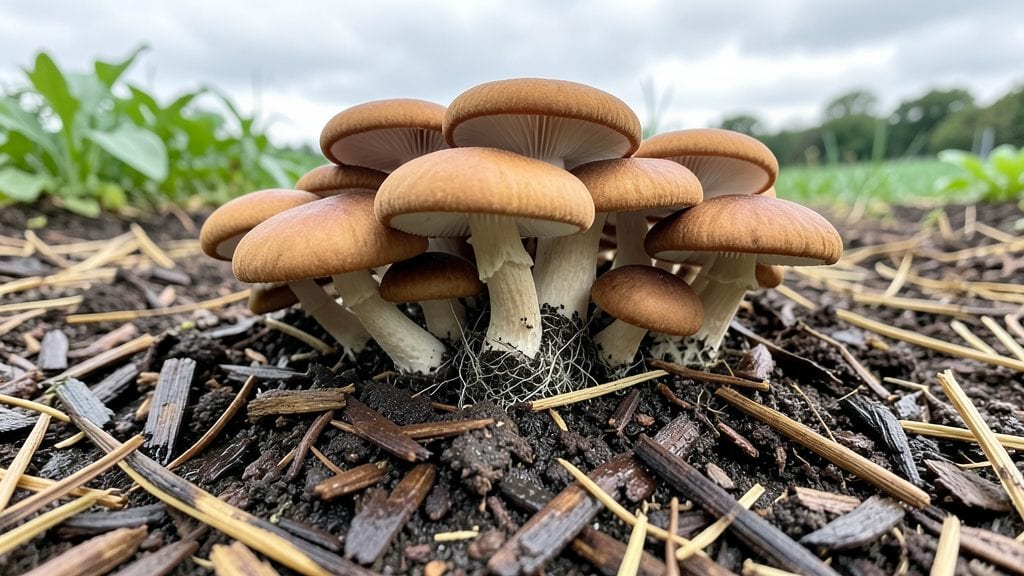
Those flat brown mushrooms popping up in your garden aren’t just weird—they’re actually a sign your soil is trying to balance itself. 🌱 I used to think they were a nuisance until I learned they’re nature’s way of breaking down excess organic matter, but they can also signal compacted soil or overwatering.
The good news? They’re not harmful to plants, and they’re not the edible kind you’d harvest (those are usually white or tan).
Most gardeners fix the issue by improving drainage and cutting back on watering. I started by aerating the soil with a fork and removing any thick layers of mulch or debris where moisture gets trapped.
A simple soil test can tell you if your garden’s too soggy—aim for soil that drains within a few hours after watering. Once you adjust these factors, the mushrooms usually disappear within a few weeks.
What you’ll end up with is healthier soil that’s less prone to fungal overgrowth. The key is keeping the environment balanced—good airflow, proper moisture, and regular checks for compacted spots. Your garden will stay vibrant and productive without the mushroom surprise. Let’s get your soil back in harmony!
These mushrooms thrive in cool, damp conditions, so if you’re in a humid climate, focus extra on drainage solutions like raised beds or gravel layers. Even a small change can make a big difference in keeping your garden thriving.
Understanding The Root Causes
Flat brown mushrooms sprouting in your garden aren’t just unsightly—they’re a sign your soil is sending you a message. Before reaching for a fungicide, it’s worth digging deeper (literally) to uncover why these fungal friends are popping up.
Here’s a breakdown of the most common culprits, explained in plain terms with actionable insights.
Flat brown mushrooms thrive in damp, waterlogged conditions because they’re essentially nature’s way of breaking down excess organic matter. If your garden soil stays soggy for extended periods, you’re creating the perfect breeding ground for fungal growth.
Why it happens:
- Compacted soil prevents water from draining properly, trapping moisture near the surface.
- Overwatering (even from rain) saturates the soil, depriving roots of oxygen while encouraging fungal spores to germinate.
- Low-lying areas or slopes where water pools naturally become hotspots for mushroom growth.
What to do:
- Test your soil’s drainage by digging a small hole, filling it with water, and timing how long it takes to drain. If it takes more than 4–6 hours, your soil is too dense.
- Amend heavy clay soil with compost, sand, or perlite to improve aeration.
- Avoid watering at night or in large quantities—opt for deep, infrequent watering to encourage roots to grow deeper.
A garden rich in organic matter (like fallen leaves, grass clippings, or compost) is a double-edged sword. While it feeds beneficial microbes, too much unbalanced organic debris can lead to mushroom outbreaks.
Why it happens:
- Decomposing plant material (especially thick layers of leaves or wood chips) provides a feast for mushrooms, which break it down faster than bacteria or worms.
- Lack of nitrogen in the soil can shift the microbial balance, favoring fungi over bacteria.
- Buried wood or roots act as hidden food sources, encouraging mushrooms to sprout from underground.
What to do:
- Turn and mix fresh compost or mulch into the top 2–3 inches of soil to speed up decomposition and reduce surface-level fungal growth.
- Balance carbon-rich materials (like straw or wood chips) with nitrogen-rich amendments (e.g., blood meal or alfalfa pellets) to encourage bacterial activity.
- Remove large chunks of wood or roots—these are like all-you-can-eat buffets for mushrooms.
Mushrooms love conditions that mimic a damp forest floor: low sunlight, high humidity, and cool temperatures. If your garden has shaded spots or poor airflow, you’re likely to see more of these fungal visitors.
Why it happens:
- Shade from trees, fences, or structures reduces evaporation, keeping the soil moist longer.
- High humidity (common in greenhouses, containers, or morning-dewed areas) creates an ideal environment for spores to spread.
- Cool seasons (spring or fall) slow down decomposition, allowing fungal growth to dominate over bacterial activity.
What to do:
- Thin out dense plantings to improve airflow and sunlight penetration.
- Prune overhanging branches or remove obstructions that block light.
- Use mulch sparingly in shaded areas—opt for straw or pine needles (which decompose slower) instead of thick layers of leaves.
- Harvest mushrooms intentionally (if they’re edible) to reduce spore spread, or remove them at the base to prevent regrowth.
If you’ve recently tilled, planted, or moved soil, you may have accidentally unearthed dormant mushroom spores or created the perfect conditions for them to germinate.
Why it happens:
- Tilling or aerating disrupts the soil’s natural layers, exposing spores buried deep below.
- Planting bulbs, roots, or tubers can introduce fungal networks from store-bought or wild sources.
- Construction or landscaping can bring up buried wood or organic matter, fueling mushroom growth.
What to do:
- Avoid excessive tilling—instead, use no-dig gardening methods to preserve soil structure.
- Solarize disturbed soil by covering it with clear plastic for 4–6 weeks in hot sun to kill fungal spores.
- Test new soil amendments (like compost or mulch) for contaminants before adding them to your garden.
Not all mushrooms are unwanted invaders—some are part of your soil’s mycorrhizal network, a symbiotic relationship between fungi and plant roots. However, when these networks go unchecked, they can manifest as unsightly flat brown mushrooms.
Why it happens:
- Healthy soil ecosystems naturally contain fungal threads (mycelium) that help break down nutrients.
- Overabundance of mycelium can lead to visible fruiting bodies (mushrooms) when conditions are ideal.
- Lack of competition (e.g., from bacteria or beneficial microbes) allows fungi to dominate.
What to do:
- Encourage bacterial diversity by adding compost tea, worm castings, or biochar to balance the soil microbiome.
- Plant cover crops like clover or legumes to introduce nitrogen-fixing bacteria.
- Avoid synthetic fungicides—they can disrupt the natural fungal balance and harm beneficial mycelium.
Pro Tip: 💡 If your mushrooms appear after heavy rain or in specific patches, they’re likely saprophytic (feeding on dead organic matter) rather than parasitic (harming plants). In this case, they’re more of a cleanup crew than a threat!
However, if they’re accompanied by wilting plants or discolored leaves, you may have a pathogenic fungus that needs targeted action.
Fixing Flat Brown Mushrooms Naturally
Flat brown mushrooms popping up in your garden might seem like a nuisance, but they’re often a sign of excess moisture, decaying organic matter, or poor drainage. The good news?
You can tackle the problem—and even repurpose these fungi—without harsh chemicals. Below are practical, step-by-step solutions tailored to the root cause, plus prevention tips to keep your garden thriving.
Fix it by adjusting moisture levels and soil structure.
Flat brown mushrooms love damp, stagnant conditions. If your garden soil stays soggy for too long, these fungi thrive as decomposers. Here’s how to dry things out:
- 🔥 Improve Drainage First - Test your soil’s drainage by digging a small hole (6 inches deep), filling it with water, and timing how long it takes to drain.
If it takes more than 6 hours, your soil is too compacted. - Solution: Amend the soil with coarse sand, perlite, or compost to loosen it. For heavy clay soil, mix in pebbles or broken terracotta pots to create air pockets.
- 👨🍳 Reduce Watering Frequency - Water deeply 2–3 times per week (early morning is best) instead of daily shallow watering.
Let the top 1–2 inches of soil dry out between sessions. - Pro Tip: 💡 Use a soaker hose or drip irrigation to deliver water directly to roots, reducing surface moisture where mushrooms grow.
- ⏰ Mulch Strategically
- Apply a 2–3 inch layer of organic mulch (straw, wood chips, or pine needles) to insulate soil and prevent evaporation. Avoid thick layers, which can trap moisture.
- Avoid: Wet leaves or grass clippings—they compact and hold too much water.
- 🔪 Remove Mushrooms at the Base
- Pull them up by the root (wear gloves!) to prevent spores from spreading. Burn or compost them only if your compost pile gets hot enough (140°F+). Otherwise, bag and discard.
Fix it by cleaning up and balancing your garden ecosystem.
Mushrooms often sprout from rotting logs, old plant debris, or buried wood. While they’re natural decomposers, too many can signal an imbalance.
- 🌡️ Clear Out Old Plant Material
- Rake up fallen leaves, dead plants, and wood chips from problem areas. If you’re composting, turn the pile frequently to heat it up and kill mushroom spores.
- Exception: Leave chop-and-drop mulch (like grass clippings) in small amounts—they break down quickly.
- ✨ Use Wood Chips or Gravel Instead
- Replace decaying wood with cedar mulch (naturally resistant to rot) or gravel in high-moisture areas like under trees.
- Pro Tip: 🔥 Cinnamon or coffee grounds (sprinkled lightly) can inhibit fungal growth while adding nutrients.
- 🎯 Introduce Competitive Plants
- Plant mushroom-resistant ground covers like clover, creeping thyme, or moss to outcompete fungal spores.
- Bonus: These plants also suppress weeds and improve soil health!
Fix it by increasing airflow and sunlight exposure.
Shady, humid gardens are mushroom magnets. If your yard is naturally damp (like near a pond or in a low-lying area), take these steps:
- 🍳 Prune Overhanging Branches
- Trim back tree branches or shrubs casting dense shade. Aim for at least 4–6 hours of sunlight per day in problem areas.
- Alternative: Install a small fan on a timer in heavily shaded spots to improve airflow.
- 🌡️ Raise Garden Beds or Use Containers
- If possible, elevate planting beds with bricks or cinder blocks to improve drainage.
- For containers: Use pots with drainage holes and avoid overwatering.
- 💡 Add Sun-Loving Plants
- Replace moisture-loving plants (like hostas) with drought-tolerant varieties (lavender, sedum, or ornamental grasses).
Once you’ve addressed the cause, keep mushrooms at bay with these low-effort habits:
- 🌱 Rotate crops to prevent soil buildup of fungal spores.
- 🍄 Avoid tilling when soil is wet—this spreads spores.
- 🔥 Solarize problem areas in summer: Cover soil with clear plastic for 4–6 weeks to heat-kill fungi.
- 🌿 Encourage beneficial microbes with compost tea or mycorrhizal fungi (available at garden centers).
Final Thought: Flat brown mushrooms aren’t all bad—they’re nature’s recyclers! But if they’re taking over, drainage + cleanup + sunlight are your best tools. Try one fix at a time, monitor progress, and soon your garden will be fungus-free and flourishing. 🚀
Frequently asked questions
Are flat brown mushrooms harmful to my garden plants?
Most flat brown mushrooms in gardens are harmless saprophytes that feed on dead organic matter. They won’t directly harm living plants, but their presence often signals excess moisture or poor drainage—conditions that can stress your plants over time. Focus on improving soil conditions rather than removing the mushrooms themselves.
Can I eat flat brown mushrooms from my garden?
No, you should never eat wild mushrooms from your garden unless you’ve had them professionally identified as edible species (like certain Agaricus varieties). Flat brown mushrooms are often toxic lookalikes or non-edible species. Always consult a mycologist or use a field guide before consuming any wild fungi.
How do I know if my mushrooms are from excess moisture or buried wood?
Mushrooms growing in damp, low-lying areas with poor drainage are likely moisture-related. If they appear in clusters near buried logs, stumps, or thick mulch layers, buried wood is the culprit. Dig down to check for rotting organic matter—this will confirm the food source.
Will vinegar or hydrogen peroxide kill these mushrooms?
Yes! A 1:1 vinegar-water spray (applied directly to mushrooms) or 3% hydrogen peroxide solution can kill them on contact. For prevention, mix 1 cup vinegar per gallon of water and spray affected areas weekly. These methods are safe for plants but may require reapplication after rain.
How long does it take to eliminate mushroom growth after fixing drainage?
With proper drainage improvements, you’ll typically see a significant reduction in new mushroom growth within 2-4 weeks. Existing mushrooms may persist for another 2-3 weeks as they finish their life cycle. Consistency is key—monitor soil moisture and remove any regrowth promptly.