Pests
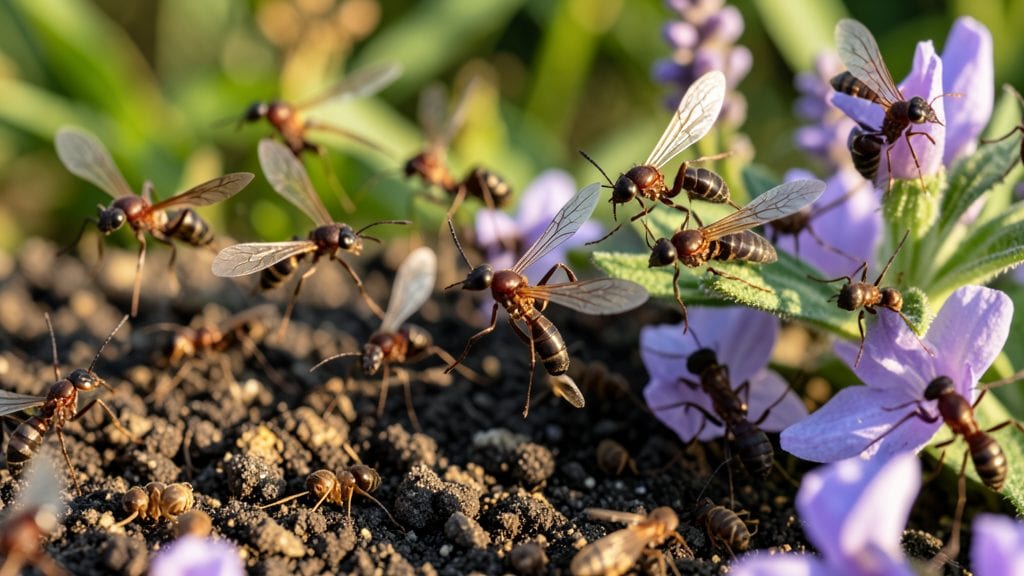
Flying ants in your garden aren’t just a nuisance—they’re a seasonal invasion that can strip plants bare overnight. 🌿 I’ve battled them for years, and the key to stopping them lies in understanding their life cycle, not just spraying at the first sight of wings.
These winged troublemakers appear in massive swarms during warm, humid weather, usually after rain, and they’ll target everything from fruit trees to fresh herbs if you don’t act fast.
The good news? You don’t need harsh chemicals to win this fight. Simple fixes like sealing cracks in your home’s foundation, removing standing water, and using natural repellents (like citrus peels or vinegar sprays) can make your garden far less appealing.
I’ve seen swarms vanish within days after implementing these tricks—no expensive traps or professional services required. The secret is acting before they’ve had time to establish nests in your soil or woodpiles.
By the end of this, you’ll have a garden that flying ants avoid like the plague. No more chewed leaves, no more winged invaders on your patio—just healthy plants and the satisfaction of outsmarting nature’s most persistent pests.
And the best part? These methods work year after year, so you won’t be scrambling every summer when the swarms return.
Whether you’re dealing with a first-time infestation or an annual battle, the right approach makes all the difference. Let’s get your garden back—and keep those ants where they belong.
Why it happens
Those sudden waves of winged ants taking over your garden aren’t random—they’re nature’s way of ensuring survival. Understanding the biological and environmental triggers behind these swarms helps you predict, prevent, and manage them effectively. Here’s why your garden becomes a hotspot for flying ants during certain seasons.
🌡️ Warm Weather and Humidity
Flying ants are highly sensitive to temperature and moisture. When spring or summer brings consistent warmth (above 60°F/15°C) and high humidity (60%+), it signals their colonies to reproduce. Warmth accelerates their metabolism, while humidity keeps their nests hydrated and ideal for breeding.
If your garden has shaded, damp areas (like under mulch or near water sources), it becomes a prime breeding ground.
Actionable tip: Monitor your local weather forecast. Swarms often peak after a warm, rainy spell—so stay vigilant during these transitions.
🌱 Overripe or Decaying Plant Matter
Flying ants are attracted to gardens rich in organic decay because it provides food and nesting material. Overripe fruits, fallen leaves, compost piles, and even rotting wood create the perfect environment for their larvae. If your garden has:
- Fruit trees with dropped fruit
- Thick mulch layers that retain moisture
- Dead branches or wood chips
- Weeds with hollow stems (like thistles)
…you’re essentially inviting them to set up shop. These resources fuel their colonies, leading to larger swarms when they take flight.
Actionable tip: Remove decaying plant matter promptly and reduce excessive mulch in high-risk areas. Opt for dry, coarse mulch (like pine straw) that drains well.
🏡 Mature Ant Colonies Nearby
Flying ants don’t just appear out of nowhere—they emerge from established colonies that have reached a critical size. Most species (like the Lasius niger or "black garden ant") take 1–3 years to mature a colony large enough to produce winged reproductives. If your garden is near:
- Woodpiles or tree stumps
- Cracks in foundations or walls
- Lawns with thatched grass
- Potted plants with moist soil
…there’s a high chance these colonies are thriving—and preparing to swarm.
Actionable tip: Conduct a nighttime flashlight inspection (ants are active then) to spot mounds or trails. If you find a colony, act before swarming season to disrupt it naturally (e.g., vinegar barriers or diatomaceous earth).
🌙 Daylight and Wind Patterns
Flying ants are weak fliers and rely on wind and light to navigate. They swarm on warm, calm days (usually mid-morning to early afternoon) to maximize their chances of mating. If your garden has:
- Open spaces with little windbreak (e.g., no fences or dense shrubs)
- Sunny patches that heat up quickly
- Proximity to water (like ponds or birdbaths)
…it becomes a magnet for swarms. The ants use these conditions to dispersal efficiently—flying upward to release pheromones and attract mates.
Actionable tip: Create windbreaks with tall plants (like bamboo or ornamental grasses) near seating areas. Avoid pruning hedges during swarming season, as it can disrupt their flight paths and make them more aggressive.
🌿 Garden Layout and Food Sources
Ants are opportunistic foragers, and a garden packed with sugar-rich or protein-heavy foods accelerates colony growth. Common culprits include:
| Food Type | Examples | Why It Attracts Ants |
|---|---|---|
| Sugary Substances | Overripe fruit, honeydew (aphid secretions), nectar-rich flowers | Feeds worker ants, fueling colony expansion |
| Protein Sources | Insects (like slugs or caterpillars), pet food, composted meat scraps | Supports larval development, leading to larger swarms |
| Moisture-Rich Areas | Leaky hoses, damp soil, dew-covered leaves | Keeps colonies hydrated year-round |
Even indirect food sources, like aphids on your roses or spills from outdoor dining, can trigger swarms by signaling a thriving ecosystem for ants.
Actionable tip: Audit your garden’s food supply. Store pet food indoors, pick fallen fruit daily, and avoid overwatering lawns. Use ant-proof plant choices like lavender or mint, which naturally repel them.
Practical ways to manage swarms
Now that you understand why flying ants invade your garden, let’s tackle how to keep them away—without resorting to harsh chemicals. These solutions are tailored to address the root causes while protecting your plants, pets, and family.
Below, we’ve mapped common triggers to effective, natural fixes, along with prevention tips to stop future swarms in their tracks.
When you spot flying ants in your garden, act fast to disrupt their nuisance before it worsens.
🍳 Block Entry Points
Flying ants sneak in through tiny gaps—seal them off to cut off their access: - Inspect your home’s foundation for cracks in windows, doors, or vents.
Use caulk or weather stripping to close gaps wider than 1/16 inch. - Check outdoor fixtures like downspouts, gutters, and utility lines where moisture collects (a magnet for ants). - Cover trash cans with tight-fitting lids to eliminate food sources.
👨🍳 Disrupt Their Path
Ants follow scent trails—break their communication to scatter the swarm: - Vinegar spray: Mix equal parts white vinegar and water in a spray bottle. Target entry points, windowsills, and ant trails.
The strong odor masks their pheromones, confusing them. - Diatomaceous earth (DE): Sprinkle food-grade DE around the perimeter of your garden, especially near ant hills.
It dehydrates ants but is safe for plants and pets once settled. - Citrus peels: Scatter dried orange or lemon peels near problem areas. The scent repels ants naturally.
🥘 Remove Attractants
Ants swarm for food and water—eliminate these to reduce their interest:
- Clean up spills immediately, especially sugary or greasy substances.
- Store firewood at least 20 feet away from your home and elevate it off the ground.
- Fix leaky pipes or standing water in pots, as moisture draws them in.
Once the swarm subsides, take steps to prevent future invasions.
💡 Garden Maintenance Tips
- Aerate soil: Compacted soil traps moisture, creating ideal ant nesting conditions. Use a garden fork to loosen the top 6 inches of soil annually.
- Mulch strategically: Use cedar or citrus mulch (natural ant repellents) around plants.
Avoid thick layers near your home’s foundation. - Plant ant-repelling flora: Incorporate mint, lavender, basil, or marigolds into your garden. These plants emit scents ants dislike.
🔥 Natural Barriers
Create a physical or scent-based buffer around your property:
- Coffee grounds: Sprinkle used grounds near entry points—the caffeine disrupts their trails.
- Chalk or rock barriers: Draw a line of powdered chalk or crushed rock (like crushed eggshells) around garden beds.
Ants avoid crossing these textures. - Essential oil perimeter spray: Mix 10 drops of peppermint, tea tree, or eucalyptus oil with 1 cup water and 1 tsp dish soap. Spray around the garden’s edge weekly.
🌡️ Seasonal Swarm Control
Flying ants emerge in warm, damp weather—plan ahead for peak seasons (spring/early summer):
- Prune overgrown vegetation to reduce hiding spots and improve airflow.
- Monitor weather forecasts: Swarms often follow heavy rain or high humidity.
Stay vigilant during these periods. - Encourage natural predators: Birds, lizards, and spiders eat ants. Install birdhouses or bat boxes to attract these helpers.
If flying ants persist despite your efforts, try these advanced tactics: - Boric acid bait stations: Place boric acid mixed with sugar or honey in shallow containers near ant trails.
Worker ants carry it back to the colony, reducing numbers over time. Use with caution around pets/kids. - Professional-grade nematodes: For severe cases, apply beneficial nematodes (Steinernema carpocapsae) to the soil.
These microscopic worms paralyze and kill ant larvae naturally. - Duct tape traps: Roll up duct tape sticky-side out and place it near entry points. Ants get stuck, and the scent deters others.
Remember: Flying ants are a natural part of the ecosystem—they don’t cause structural damage like termites. Your goal is to manage their presence, not eradicate them entirely. With these methods, you’ll enjoy a pest-free garden while keeping nature in balance. 🌿🐜✨
Frequently asked questions about flying ants in gardens
Why do flying ants suddenly appear in massive swarms?
Flying ants swarm during warm, humid weather (typically spring/early summer) as part of their mating cycle. These winged ants emerge from mature colonies to reproduce, often after rain when humidity spikes. Their sudden appearance isn't random—it's nature's way of ensuring survival for their species.
Are flying ants harmful to my garden plants?
While they don't damage plants directly, flying ants can become a nuisance by stripping fruit trees bare overnight or contaminating harvests. Their primary concern is their rapid reproduction cycle, which can lead to larger colonies if not managed. The good news? They're not destructive like termites and can actually help aerate soil when they nest.
What's the fastest natural way to repel flying ants?
For immediate relief, create a vinegar spray (equal parts white vinegar and water) and target entry points, trails, and nesting areas. The strong odor masks their pheromones, causing them to scatter. For longer-term protection, sprinkle diatomaceous earth around garden perimeters—it dehydrates ants naturally while being safe for plants.
Can I prevent flying ants from nesting in my garden soil?
Yes! Aerate compacted soil annually to reduce moisture retention, and avoid overwatering lawns. Use cedar or citrus mulch (natural repellents) around plants, and plant ant-deterring herbs like mint or lavender. Remove decaying plant matter promptly, as it attracts colonies. These steps disrupt their nesting conditions before they establish.
When should I call a professional for flying ant control?
Consider professional help if you notice persistent swarms despite natural remedies, or if you find large mounds in your lawn. For severe cases, pest control experts can apply targeted treatments like nematodes or boric acid baits safely. Most gardeners find natural methods effective, but professionals offer solutions for stubborn infestations.