
Lawn
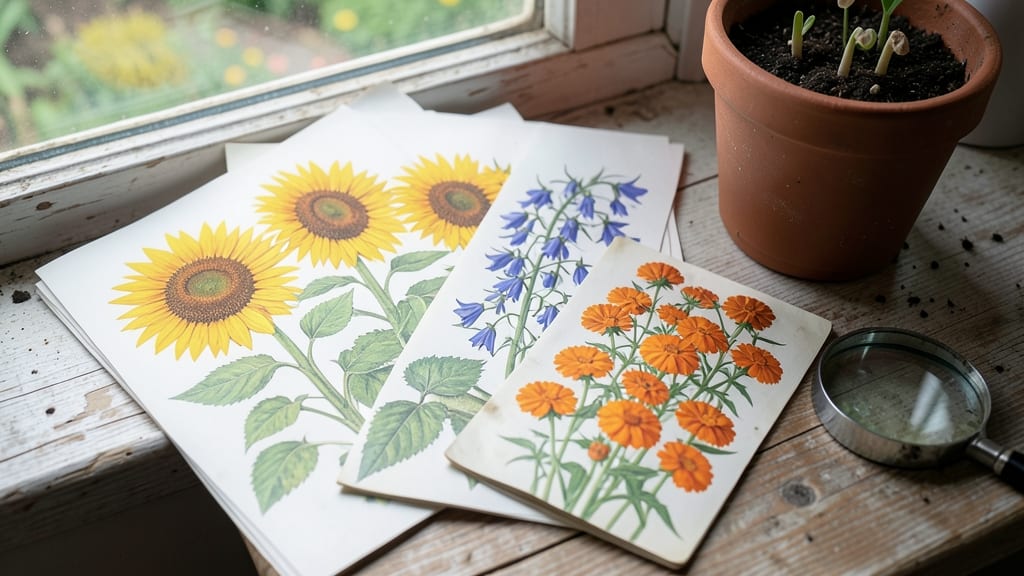
Your garden dreams don’t need an empty wallet—free garden seed catalogs are the secret to unlocking varieties you’d never find at the store. 🌱 I’ve used these treasure troves to discover heirloom tomatoes, drought-resistant flowers, and cold-hardy greens that transformed my backyard from ordinary to extraordinary.
The best part? No shipping costs, no hidden fees—just pages of possibilities waiting to be planted.
Reputable seed companies like Baker Creek Heirloom Seeds, Seed Savers Exchange, and even local land-grant universities offer free digital catalogs packed with growing tips, planting charts, and variety comparisons. Community gardens and extension offices often provide printed copies too—just ask!
These aren’t just wish lists; they’re blueprints for your season, with notes on sunlight needs, spacing, and even pest resistance. I’ve planned entire gardens around them, saving money while expanding my harvest.
You’ll leave with a curated list of plants tailored to your climate, space, and taste—think ‘Brandywine’ tomatoes or ‘Black Krim’ potatoes—plus a timeline for when to start seeds indoors or direct-sow outdoors.
The catalogs even suggest companion plants to boost yields, like basil with tomatoes or marigolds with peppers. It’s like having a master gardener’s advice at your fingertips, completely free.
Pro tip: Bookmark your favorites and circle varieties as you browse—some catalogs let you request free seed samples too. Whether you’re a first-timer or a seasoned grower, these resources turn planning from guesswork into a stress-free, budget-friendly adventure. Ready to dig in?
📚 In This Guide
- What you need
- Instructions
- Tips and common mistakes
- Wrapping up and next steps
What you need
- ● Computer, tablet, or smartphone – For browsing and downloading seed catalogs (Wi-Fi recommended).
- ○ Printer (optional but helpful) – If you prefer physical copies of seed lists or planting guides.
- ● Notebook or digital notes app – To jot down seed varieties, planting dates, and garden layouts.
- ● Highlighters or sticky notes – For marking favorite seeds or notes in printed catalogs.
- ● Pencil or pen – For sketching garden plans or taking quick notes.
- ● Seed-saving envelopes or ziplock bags – If you plan to collect and store seeds from your harvest (1–2 gallon-sized bags per variety).
- ● Garden journal – Track planting dates, growth progress, and seed sources for future reference.
- ● Ruler or measuring tape – For planning garden bed spacing (especially for larger seeds or crops).
- ● Seed-starting trays or biodegradable pots – If you’re growing from seed indoors before transplanting.
- ● Garden gloves – For handling seeds or soil comfortably.
- ● Free seed swap group access – Local Facebook groups, seed libraries, or forums (e.g., blank">Seed Swaps or blank">Seed Savers Exchange).
- ● Know your USDA Hardiness Zone (find yours here—critical for selecting cold-hardy seeds!).
- ● Basic understanding of your last frost date (check local weather resources or almanacs).
- ● Access to a garden space (container, raised bed, or in-ground—even a windowsill works for herbs!).
- ● Patience and curiosity! 🌱
Step-by-step guide to finding and using free garden seed catalogs
Here's how to unlock free seed catalogs that bring rare varieties to your garden—no cost, no compromise.
📚 Step 1: Identify Trusted Sources for Free Seed Catalogs
Start with established seed savers and nonprofit organizations that offer free catalogs. The Seed Savers Exchange provides digital catalogs with heirloom varieties, while the National Garden Bureau releases annual free guides featuring top-performing plants. Local agricultural extensions and university programs often distribute free seed catalogs too—check their websites for digital downloads.
I always cross-reference these with public library seed libraries, which frequently partner with seed companies to offer free catalogs alongside their lending programs. Libraries often host seed swaps where you can request catalogs directly from participating gardeners. This ensures you're not just getting free seeds but also expert-recommended varieties tailored to your climate.
🌱 Step 2: Request and Organize Your Catalogs
Once you've identified sources, request catalogs via email, phone, or their online portals. Most digital catalogs arrive within 3-5 business days, while printed versions may take 2-3 weeks for shipping. I recommend creating a dedicated digital folder labeled "Free Seed Catalogs [Year]" to organize PDFs and save physical copies in a three-ring binder with dividers for easy reference.
Pay attention to the deadlines listed in each catalog—many offer free seeds only for a limited time, often tied to their annual seed swap events. Mark these dates on your calendar immediately. For example, the Seed Savers Exchange typically opens its free seed program in early spring, while university extensions may align with local gardening seasons.
☀️ Step 3: Evaluate Varieties for Your Climate and Goals
Flip through each catalog and highlight varieties suited to your USDA hardiness zone and growing conditions. Focus on plants labeled as disease-resistant, drought-tolerant, or heirloom if those traits align with your gardening priorities. I always note the days to maturity and planting depth for each variety to plan my seasonal rotation effectively.
Cross-check varieties against your garden's sunlight exposure and soil type. For instance, if your garden gets only 4-6 hours of sun daily, prioritize shade-tolerant options like 'Moonlight' tomatoes or 'Autumn Joy' sedum. Avoid varieties requiring full sun unless you're willing to amend your space with raised beds or reflective surfaces.
✂️ Step 4: Order Seeds Strategically Within Deadlines
Once you've selected varieties, place orders as soon as possible—free seeds often come with limited quantities and sell out quickly. I recommend ordering 2-3 varieties per catalog to diversify your garden without overwhelming your space. For example, pair a heirloom tomato with a disease-resistant pepper and a pollinator-friendly flower to balance aesthetics and functionality.
Keep track of your orders using a simple spreadsheet with columns for catalog source, variety, quantity, and estimated arrival date. This prevents duplicate orders and helps you plan succession planting. If a catalog offers free seeds only for a specific region, verify your eligibility before submitting your request to avoid disappointment.
🌿 Step 5: Store and Prepare Seeds for Planting
Upon arrival, store seeds in a cool, dry place—ideally in airtight containers like glass jars or resealable bags with silica gel packets. Label each container with the variety name, year, and planting instructions to avoid confusion. I also include a small note about germination requirements (e.g., light vs. dark, cold stratification needs) to streamline future planting.
Before sowing, test seed viability by placing 10 seeds in a damp paper towel for 3-5 days. If 80% or more sprout, your seeds are viable. If not, request replacements from the catalog source or source seeds elsewhere. When ready to plant, follow the catalog's recommended depth and spacing guidelines—overcrowding leads to weak, disease-prone plants, while proper spacing ensures airflow and reduces pests.
Tips & tricks for maximizing free garden seed catalogs
These insider strategies will help you make the most of your free seed catalogs without missing out on rare varieties or wasting opportunities.
Source Verification: Always double-check the credibility of catalog sources by visiting their official websites or contacting them directly. I've learned the hard way that some "free" catalogs from lesser-known sources may contain outdated varieties or require hidden purchases. Look for organizations with clear mission statements about seed preservation and non-profit status—this ensures you're getting genuine heirloom seeds rather than commercial hybrids. The Seed Savers Exchange and National Garden Bureau are particularly reliable for rare, non-GMO varieties.
Digital Organization System: Create a two-tiered organization method for your catalogs: maintain a master spreadsheet with catalog sources, deadlines, and variety notes, while keeping digital copies in a cloud folder labeled by year. I use Google Drive for this because it syncs across devices and allows easy sharing with gardening partners. For physical catalogs, add page markers for quick reference to popular varieties—this saves time when you're evaluating options during your annual planning session.
Climate-Specific Shortlisting: Before ordering, use your local USDA zone map to highlight varieties that thrive in your specific conditions. I create a "must-have" list for my zone (6b) that includes cold-hardy options like 'Winterbor' kale and 'Black Spanish' radishes, which perform exceptionally well in my region. This targeted approach prevents you from ordering seeds that won't thrive, saving both money and disappointment. Most catalogs now include zone-specific filters—use these to streamline your selection process.
Seed Viability Testing: Never skip the 3-5 day germination test for new seed batches, especially when dealing with heirloom varieties that may have lower viability than commercial seeds. I've had entire seed orders fail because I assumed they'd be viable—always test 10 seeds first. For particularly valuable varieties, consider saving a small portion of your harvest each year to maintain your own seed stock, ensuring you always have reliable seeds for your favorites.
Pro Tips for Free Garden Seed Catalogs
- These insider strategies will help you make the most of your free seed catalogs without missing out on rare varieties or wasting opportunities.
- Source Verification: Always double-check the credibility of catalog sources by visiting their official websites or contacting them directly.
- I use Google Drive for this because it syncs across devices and allows easy sharing with gardening partners.
Frequently asked questions
Got questions about free garden seed catalogs?
You’re not alone! Here are answers to the most common queries to help you get started with zero-cost seeds and maximize your gardening success.
How do I get free garden seed catalogs without paying for shipping?
Many seed companies offer free digital catalogs via email or their websites—no shipping required! Check out Burpee, Park Seed, or Johnny’s Selected Seeds for PDF downloads. Libraries, local gardening clubs, and even some grocery stores (like WinCo) also provide free printed catalogs.
When is the best time to order free seeds to ensure timely delivery?
Timing depends on your climate and seed type. For cool-season crops (like lettuce or spinach), order 8–10 weeks before your last frost date. For warm-season plants (tomatoes, peppers), wait until 4–6 weeks before planting. Check your USDA Plant Hardiness Zone and the catalog’s recommended planting dates to avoid delays.
Are free seed catalogs really worth it, or are they just ads?
While some catalogs include ads, they’re packed with exclusive seed varieties, growing tips, and sometimes free seed samples or discounts. Many companies (like Seed Savers Exchange) even offer heirloom and organic seeds you won’t find elsewhere. Skip the paid versions—free catalogs give you the same info!
Can I use free seeds from catalogs in all regions, or are some restricted?
Most free seeds are region-friendly, but some companies restrict certain varieties to specific climates (e.g., drought-resistant seeds for the Southwest). Always check the catalog’s “growing zones” or “suitability” notes. If unsure, ask the company—many provide localized planting guides or seed swaps with fellow gardeners in your area.
What if the free seeds don’t arrive, or the catalog is outdated?
First, double-check your spam folder—some free catalogs land there! If missing, contact the company via their website or social media (response times are usually 24–48 hours). For outdated info, look for “2024 editions” or visit their blog/FAQ section for updates. Pro tip: Seed Savers Exchange often refreshes its free resources annually.
Wrapping up and next steps
Exploring free garden seed catalogs is your gateway to a vibrant, budget-friendly garden without sacrificing variety or quality. 🌱 From heirloom tomatoes to hardy perennials, these resources empower you to grow your dream garden—for free! Whether you’re a seasoned green thumb or just starting, the next logical step is simple: request your catalogs today and start planning your next planting season with excitement!
Pro tip: Bookmark your favorite catalogs and set reminders for early-bird ordering—some seeds sell out fast! 🎯