Companion Plants
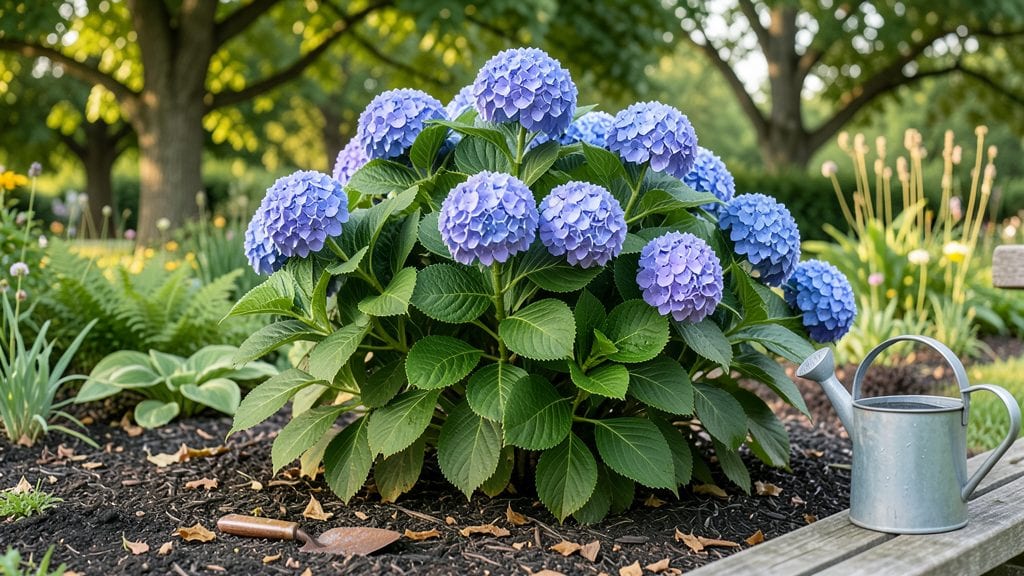
Your front garden plants should steal the show from spring through frost. 🌸 I spent years planting flashy annuals that fizzled by July—until I switched to sun-loving perennials that come back bigger every season.
The secret isn't complicated: choose plants that thrive in your light conditions, pair them with complementary colors, and let them do the work.
Start with a mix of three heights—tall back, medium middle, and low front—to create layers that draw the eye. My go-to trio is black-eyed Susans (golden blooms that never quit), purple coneflowers (tough as nails and pollinator magnets), and Russian sage (silvery foliage that smells amazing when brushed).
All three handle drought once established and bounce back after winter.
By mid-June, your front yard becomes a nonstop display of color—no dead zones, no replanting, just season-after-season drama. The best part? These perennials grow stronger each year, reducing maintenance while increasing curb appeal.
Neighbors will ask what your secret is, and you'll just smile while snipping a few blooms for your vase.
Works for any sunny front yard, from narrow strips to wide welcoming spaces. The key is starting small—pick one section, test a few combos, then expand next year. Your garden will thank you for the patience.
📚 In This Guide
- What you need
- Instructions
- Tips and common mistakes
- Wrapping up and next steps
What you need
- ● Sun-loving perennial plants: 5–10 Daylilies (Hemerocallis) (varieties like 'Stella de Oro' or 'Happy Returns')
- ● 3–5 Black-Eyed Susans (Rudbeckia hirta) (e.g., 'Goldsturm')
- ● 3–5 Coneflowers (Echinacea purpurea) (purple, white, or orange varieties)
- ● 2–3 Salvias (Salvia nemorosa) (e.g., 'May Night' for deep purple blooms)
- ● 1–2 Russian Sage (Perovskia atriplicifolia) (for height and texture)
- ● Soil amendments: 5–10 lbs. compost or well-rotted manure (to improve drainage and fertility)
- ● 1–2 lbs. slow-release granular fertilizer (10-10-10 or organic option)
- ● Tools: 1 garden trowel (for planting)
- ● 1 hand pruners (for trimming)
- ● 1 garden hose or watering can (with a soaker hose for deep watering)
- ● 1 garden gloves (to protect your hands)
- ● Mulch: 2–3 bags of shredded bark or pine straw (to retain moisture and suppress weeds)
- ● Decorative elements: 1–2 garden stakes or obelisks (for climbing plants like clematis, if adding later)
- ● 1–2 solar-powered garden lights (for evening ambiance)
- ● 1 garden edging (stone, metal, or plastic to define borders)
- ● Prerequisites: A sunny location (6+ hours of direct sunlight daily)
- ● Access to water (or a plan for irrigation)
- ● Basic knowledge of plant spacing (check tags for mature sizes!)
How to design a stunning front garden with sun-loving perennials
Here’s my go-to approach for creating a vibrant, low-maintenance front garden that blooms from spring to fall.
🌱 Step 1: Choose the Right Perennials for Your Climate and Sunlight
Start by selecting sun-loving perennials that thrive in your hardiness zone. Coneflowers, black-eyed Susans, and daylilies are my top picks—they handle heat, attract pollinators, and return year after year. Check the sunlight requirements on plant tags (most need 6+ hours of direct sun daily), and group plants with similar needs together.
I always sketch a rough layout first. Place taller plants like purple coneflowers at the back and shorter ones like catmint or salvia in front. This creates depth and ensures no plant gets overshadowed. If your front yard gets hot afternoon sun, opt for drought-tolerant varieties like sedum or lavender—they won’t wilt as easily.
☀️ Step 2: Prepare the Soil for Healthy Growth
Before planting, loosen the soil to a depth of 12 inches with a shovel or garden fork. Break up any compacted areas so roots can spread easily. Mix in 2-3 inches of compost (or the organic matter you have) to improve drainage and fertility—this is key for perennials, which live for years.
Test the soil pH if possible (most perennials prefer 6.0-7.0). If your soil is heavy clay, add sand or perlite to lighten it. I like to work in a slow-release fertilizer at planting time to give roots a nutrient boost without burning them. Water the area deeply after amending to help everything settle.
🪴 Step 3: Plant with Spacing and Structure in Mind
Dig holes twice as wide as the root ball but only as deep—planting too deep can suffocate roots. Space perennials according to their mature size: 18-24 inches apart for most, but 3 feet for larger varieties like bee balm. I plant in clusters of 3-5 for a natural, full look—it’s more visually appealing than single plants.
Water each plant deeply after placing it in the hole, then firm the soil gently around the roots. Avoid packing it down too tightly, or you’ll restrict airflow. Mulch with 2-3 inches of shredded bark or straw to retain moisture and suppress weeds. Keep mulch 2 inches away from stems to prevent rot.
💧 Step 4: Water Consistently and Monitor Growth
Water newly planted perennials once a day for the first week, then taper to every other day as they establish roots. You’ll know they’re settled when new growth appears—usually within 2-3 weeks. After that, water deeply 1-2 times per week, depending on rainfall. Most sun-loving perennials hate soggy soil, so always check the top 2 inches before watering.
Fertilize lightly in early spring with a balanced 10-10-10 formula to encourage blooms. Deadhead spent flowers (snip off faded blooms) to prolong flowering and keep the garden looking tidy. I also watch for pests like aphids—spray with neem oil if you spot them early, before they spread.
✂️ Step 5: Maintain and Enjoy Year-Round Beauty
In late fall, cut back dead foliage to 2-3 inches above the ground to protect roots from winter cold. Leave seed heads on a few plants for winter interest—birds love them! Divide overcrowded perennials every 3-4 years in early spring to rejuvenate growth. Simply dig up clumps, separate the roots, and replant sections.
Rotate plants occasionally to keep the garden fresh. Swap out a few perennials each year for new colors or textures. With the right mix, your front garden will stay vibrant with minimal effort—just enjoy the blooms and the compliments from neighbors!
Tips & tricks for perfect sun-loving perennial gardens
These simple yet game-changing tips will help you create a front garden that thrives all season with minimal effort.
Sunlight Strategy: Pay attention to your yard's microclimates—some areas might get more sun than others. If your front garden gets intense afternoon sun, mix in drought-tolerant varieties like sedum or lavender alongside your coneflowers and daylilies. I've found that placing taller plants like purple coneflowers at the back not only creates visual depth but also provides shade for shorter plants during peak sun hours.
Soil Science: The 2-3 inches of compost you mix in during Step 2 is non-negotiable for long-term success. I like to add a handful of worm castings to the planting holes for extra nutrients. For clay-heavy soil, work in coarse sand or perlite to improve drainage—this prevents root rot, especially important for perennials that need to thrive for years. Test your soil pH before planting; if it's outside the 6.0-7.0 range, amend with lime to raise or sulfur to lower it.
Planting Precision: When digging holes in Step 3, make them twice as wide as the root ball but only as deep—the top of the root ball should sit just below soil level. I've learned this the hard way: planting too deep suffocates roots and can cause plants to struggle for years. For the 18-24 inch spacing, use a string and stakes to create straight lines before planting—it makes the garden look more intentional and professional. The 2-3 inches of mulch is crucial too; I always keep it 2 inches away from stems to prevent rot.
Watering Wisdom: That first week of daily watering in Step 4 is critical for establishing roots. I've found that watering deeply in the morning (before 10am) prevents fungal issues and gives plants time to dry out. After the initial week, let the top 2 inches of soil dry between waterings—this encourages deeper root growth. For newly planted perennials, I like to use a soaker hose to deliver water directly to the roots without disturbing the soil.
Pro Tips for Front Garden Plants
- These simple yet game-changing tips will help you create a front garden that thrives all season with minimal effort.
- Sunlight Strategy: Pay attention to your yard's microclimates—some areas might get more sun than others.
- Soil Science: The 2-3 inches of compost you mix in during Step 2 is non-negotiable for long-term success.
Frequently asked questions
Got questions about picking and caring for sun-loving front garden perennials? Here are some of the most common ones—plus quick answers to help you create a stunning, low-maintenance display!
Which sun-loving perennials are best for small front gardens?
Opt for compact varieties like Lavender (3–4 ft tall), Catmint (1–3 ft), or Russian Sage (3–5 ft). These thrive in full sun and won’t overwhelm tight spaces. For height, try Coneflower (2–4 ft) or Black-Eyed Susan (1–3 ft) as focal points.
When is the best time to plant sun-loving perennials?
Plant in early spring (after the last frost) or early fall (6–8 weeks before the first frost). This gives roots time to establish before extreme heat or cold. Avoid planting in summer—high temps stress young plants.
How much water do these plants really need once established?
Most sun-loving perennials are drought-tolerant once established (after 1–2 years). Water deeply 1–2 times per week during dry spells. Mulch with 2–3 inches of organic material (like shredded bark) to retain moisture and reduce weeds.
What pests or diseases should I watch for in a sunny front garden?
Common issues include aphids (on lavender), powdery mildew (in humid heat), and Japanese beetles (on roses or coneflowers). Use neem oil or insecticidal soap for pests, and ensure 6+ hours of sunlight to prevent fungal diseases.
Can I mix sun-loving perennials with shade plants in the same garden?
Yes! Plant sun-lovers on the south or west side of your garden and shade-tolerant plants (like Hostas or Ferns) on the north or east side. Avoid crowding—leave 18–36 inches between plants for airflow and growth.
Wrapping up and next steps
Transforming your front garden into a vibrant, sun-soaked haven is easier than you think! By choosing sun-loving perennials like lavender, coneflowers, and daylilies, you’ll enjoy year-round color, low maintenance, and a thriving outdoor space that turns heads.
These plants aren’t just beautiful—they’re resilient, eco-friendly, and perfect for attracting pollinators to your yard.
Ready to get started? Pick 2-3 plants that suit your climate and style, grab your gardening tools, and dive into your front garden project today! Your future self—and your neighbors—will thank you. 🌸✨