
Fertilization
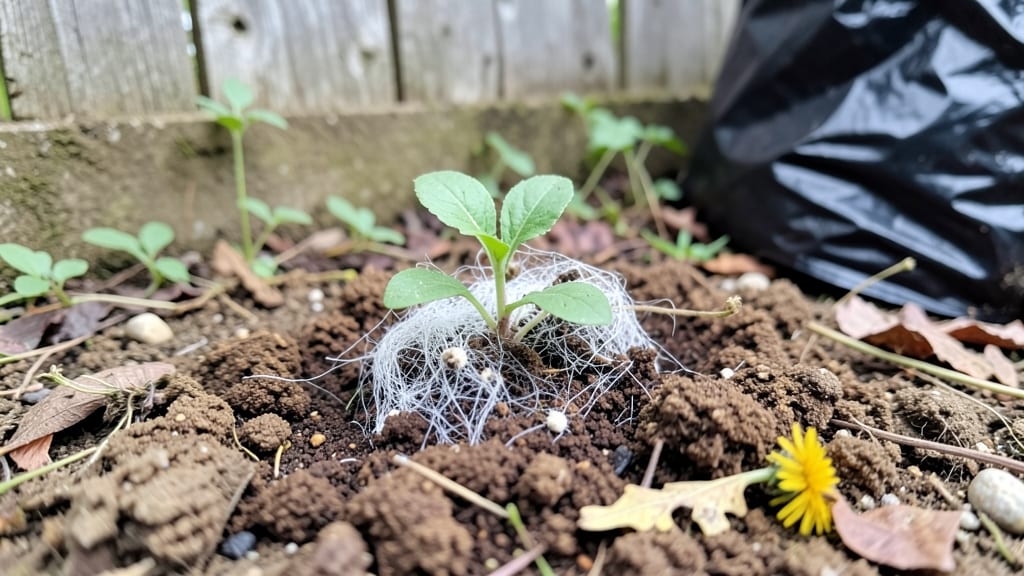
A fungus garden soil mix isn’t just about adding compost—it’s about creating a thriving underground ecosystem where beneficial microbes outcompete harmful pathogens. I learned this the hard way after my tomato plants wilted overnight from root rot, despite regular watering.
The solution? A soil blend designed to foster mycorrhizal fungi and suppress disease while feeding plants naturally.
This recipe balances organic matter, mineral-rich ingredients, and microbial boosters like worm castings and crushed eggshells to create an environment where beneficial fungi thrive. You’ll need 50% compost, 30% coconut coir or peat moss, and 20% perlite or vermiculite for aeration, plus a sprinkle of mycorrhizal inoculant.
The key is keeping it moist but not soggy—fungi need hydration, but too much water invites rot.
What you’ll end up with is soil that smells rich and earthy, not sterile. Roots grow stronger, plants resist stress, and you’ll see fewer signs of mold or wilting.
The best part? This mix improves with time as microbial activity builds, turning your garden into a self-sustaining powerhouse. Ready to transform your soil?
Works for vegetable gardens, container plants, and even houseplant mixes—just adjust moisture levels based on your climate. The goal is balance: enough fungi to support growth, but not so much that it crowds out your intended crops. Let’s get started.
Root Causes Of Soil Fungus Imbalance
Fungus garden soil thrives when the delicate balance of microorganisms, organic matter, and environmental conditions align—but when things go awry, imbalances can stifle plant growth or even harm your garden.
Understanding the why behind these issues helps you take precise corrective action. Let’s break down the most common culprits and their scientific roots.
Fungi, like all living organisms, are sensitive to temperature. When soil heats up too quickly (e.g., in direct sunlight) or drops below 50°F (10°C), fungal activity slows or dies off—while competing microbes (like bacteria) may thrive instead. This disrupts the carbon-to-nitrogen (C:N) ratio, a key driver of fungal dominance.
- Too hot: High temps (above 90°F/32°C) can kill beneficial fungi like mycorrhizae, which form symbiotic relationships with plant roots. Heat also accelerates organic matter decomposition, leaving fungi starved of food.
- Too cold: Cold soil (below 40°F/4°C) halts fungal growth entirely, allowing pathogens like Phytophthora to dominate unchecked.
- Actionable fix:
- Use mulch (straw, wood chips) to insulate soil and stabilize temps.
- Test soil temperature with a soil thermometer—ideal fungal activity occurs between 60–80°F (15–27°C).
- In cold climates, compost piles (which generate heat) can be buried near garden beds to warm the soil gradually.
The C:N ratio is the fuel gauge of your fungus garden. Fungi prefer a high-carbon, low-nitrogen environment (ideal ratio: 20–30:1), while bacteria thrive in nitrogen-rich conditions (below 20:1).
When this balance tips—often due to over-fertilizing or adding fresh manure—bacteria outcompete fungi, leading to weak root systems and poor nutrient uptake.
| Cause | Effect on Fungi | Fix |
|---|---|---|
| Fresh manure or synthetic nitrogen fertilizers | Bacteria boom; fungi starve for carbon | Mix in well-aged compost or leaf mold (high in lignin/cellulose) |
| Over-tilling or excessive aeration | Disrupts fungal hyphae networks; exposes soil to oxygen (bacteria love this) | Use broadfork tillage (minimal disturbance) or no-till methods |
| Synthetic pesticides (e.g., copper, neonicotinoids) | Kills beneficial fungi and disrupts microbial food webs | Switch to beneficial fungus inoculants (e.g., Trichoderma) or compost tea |
Fungi need consistent moisture but not waterlogging. Too little water stresses fungal hyphae, while too much creates anaerobic (oxygen-poor) zones where pathogenic fungi (like Pythium) take over. The sweet spot? Soil that’s moist but well-drained—like a wrung-out sponge.
- Drought stress: Fungal networks shrink, reducing nutrient exchange with plants. Mycorrhizal fungi may die back, leaving roots vulnerable to drought.
- Overwatering: Excess water flushes out oxygen, suffocating aerobic fungi and promoting anaerobic pathogens. Roots rot, and beneficial microbes suffocate.
- Actionable fix:
- Install a drip irrigation system for slow, deep watering (avoids surface puddling).
- Amend soil with perlite or vermiculite to improve drainage.
- Test soil moisture with a moisture meter—aim for 40–60% field capacity.
Harsh chemicals—whether from synthetic fertilizers, salt buildup, or acidic amendments—can alter soil pH and microbial communities. Fungi, especially mycorrhizae, prefer a slightly acidic to neutral pH (6.0–7.0). Stray too far from this range, and fungal populations crash.
- High salinity (from fertilizers or tap water): Salt draws water out of fungal cells, causing osmotic stress and death.
- Extreme pH shifts:
- Too acidic (pH <5.0): Aluminum and manganese toxins inhibit fungal growth.
- Too alkaline (pH >8.0): Essential nutrients like phosphorus become locked away, starving fungi.
- Actionable fix:
- Test pH with a digital soil meter and adjust with lime (to raise pH) or sulfur (to lower pH).
- Flush soil with rainwater or distilled water to reduce salt buildup.
- Add biochar or wood ash (sparingly) to buffer pH naturally.
Fungi are detritivores—they feed on dead plant material, breaking it down into nutrients plants can absorb. Without a steady supply of carbon-rich inputs (like leaves, straw, or compost), fungal populations dwindle, and soil structure weakens.
- Symptoms: Soil becomes compacted, water drains poorly, and plants exhibit nutrient deficiencies (yellowing leaves, stunted growth).
- Actionable fix:
- Add chop-and-drop mulch (e.g., grass clippings, leaf litter) to feed fungi year-round.
- Incorporate green manures (e.g., clover, buckwheat) to boost organic matter.
- Use composted hardwood chips for slow-release carbon.
Fixing Fungus Soil Issues Fast
Fungal imbalances in garden soil can feel like a silent saboteur—until your plants start wilting or mold creeps into your compost. But the good news? Most issues have simple, actionable fixes.
Below are targeted solutions for common problems, from quick remedies to long-term prevention. Think of this as your soil’s first-aid kit, packed with practical steps to restore harmony.
If your soil is dominated by fungi (think slimy patches, slow composting, or stunted root growth), it’s time to reintroduce bacteria and beneficial microbes. Here’s how:
🍳 Boost Beneficial Bacteria
- Add compost tea: Brew aerobically fermented compost tea (rich in Bacillus and Pseudomonas bacteria) and apply it to soil. Use 1–2 cups per square foot.
- Use liquid fish emulsion: Mix 1 tbsp per gallon of water and spray on soil. Fish emulsion introduces Lactobacillus, which outcompetes harmful fungi.
- Inoculate with mycorrhizal fungi: If your soil lacks fungi entirely (not too much!), add Glomus species via powder or granules. This helps roots absorb nutrients without overpowering the ecosystem.
👨🍳 Adjust Your Watering Habits
Fungi thrive in wet conditions. To dry things out slightly:
- Water deeply but infrequently—aim for 1–2 inches per week, letting the topsoil dry between sessions.
- Improve drainage by amending soil with perlite or coarse sand (10% of soil volume).
- Mulch with straw or wood chips (not fresh wood) to regulate moisture and block fungal spores from splashing up.
⏰ Rotate Your Crops & Soil Rest
Fungal pathogens like Phytophthora or Pythium build up in the same soil over time. Break the cycle with:
- Crop rotation: Avoid planting the same family (e.g., tomatoes, peppers) in the same spot for 3+ years.
- Fallow season: Let soil rest for a season (cover with clover or buckwheat to suppress fungi naturally).
- Solarize soil: Cover beds with clear plastic for 4–6 weeks in summer to bake out pathogens.
Cold, dense soil slows microbial activity, letting fungi dominate. Revive it with these tweaks:
🔥 Increase Soil Temperature
- Black plastic mulch: Lay it down 2–3 weeks before planting to warm soil by 10–15°F.
- Compost piles: Turn them regularly to generate heat (aim for 140–160°F to kill pathogens).
- Deep mulch: Use straw or leaves (6+ inches thick) to insulate roots in winter.
💡 Loosen Up Compacted Soil
Compacted soil lacks oxygen, creating anaerobic zones where fungi flourish. Fix it with:
- Garden fork aeration: Poke holes 6–12 inches deep every few feet in spring/fall.
- Biochar addition: Mix in 10–20% biochar by volume to improve drainage and microbial habitat.
- Avoid heavy foot traffic on garden beds; use stepping stones or boards.
An ounce of prevention beats a pound of cure. Here’s how to maintain a balanced soil ecosystem:
🌱 Build a Diverse Microbial Community
- Plant cover crops: Fast-growing clover or mustard greens feed beneficial microbes and outcompete weeds.
- Add worm castings: Mix in 1–2 cups per square foot—worms introduce Eisenia fetida, which breaks down fungal hyphae.
- Use neem cake: A natural fungicide and soil amendment (apply 1 lb per 10 sq ft annually).
🎯 Monitor pH & Nutrition
Fungi prefer acidic soil (pH < 6.0), while bacteria thrive in neutral to slightly alkaline (pH 6.5–7.5). Test your soil and adjust:
- Raise pH: Add lime (for acidic soil) or wood ash (sparingly).
- Lower pH: Use sulfur or peat moss (if your climate allows).
- Add potassium-rich fertilizers (like greensand) to support bacterial growth.
🚫 Avoid Common Mistakes
- Don’t over-water: Fungi love moisture—stick to the "drench-and-dry" method.
- Skip fresh manure: It’s a fungal feast! Use aged compost or worm castings instead.
- Clean tools regularly: Sterilize pruners and shovels with rubbing alcohol to prevent spreading spores.
With these fixes, your soil will shift from a fungal stronghold to a thriving microbial party—where bacteria, fungi, and plants coexist happily. Start with one or two solutions, monitor your soil’s response, and adjust as needed. Happy gardening! 🌱
Frequently asked questions
How do I know if my garden soil has too much fungus?
Look for moldy patches, slimy textures, or plants with yellowing leaves and stunted growth. Overly wet soil with a musty smell is another red flag. Test your soil by mixing a spoonful with water—if it clumps into a thick paste, fungal activity may be excessive.
Can I use coffee grounds to balance fungal growth in my soil?
Yes, but use them wisely! Coffee grounds are high in nitrogen, which can suppress fungi by promoting bacterial growth. Mix in 1 part coffee grounds to 3 parts compost and bury them 2 inches deep to avoid attracting pests. They’re best for container plants or as a top-dressing.
What’s the best way to introduce beneficial fungi to my soil?
Start with a mycorrhizal inoculant (powder or granules) and mix it into your soil before planting. For organic boosters, add worm castings (1–2 cups per square foot) or composted hardwood chips. Avoid synthetic fertilizers—they can disrupt fungal populations.
Will adding more compost always help with fungal soil issues?
Not if it’s fresh compost—it can overfeed bacteria and worsen fungal imbalances. Use well-aged compost (6+ months) or vermicompost (worm castings) instead. These provide balanced nutrients without overwhelming the microbial ecosystem.
How often should I test my soil for fungal activity?
Test annually in spring, especially if you notice plant stress or mold growth. Use a soil microbial test kit (available online) to check fungal-to-bacterial ratios. Adjust your soil mix based on results—ideal fungal activity supports plant health without dominating.