
Diseases
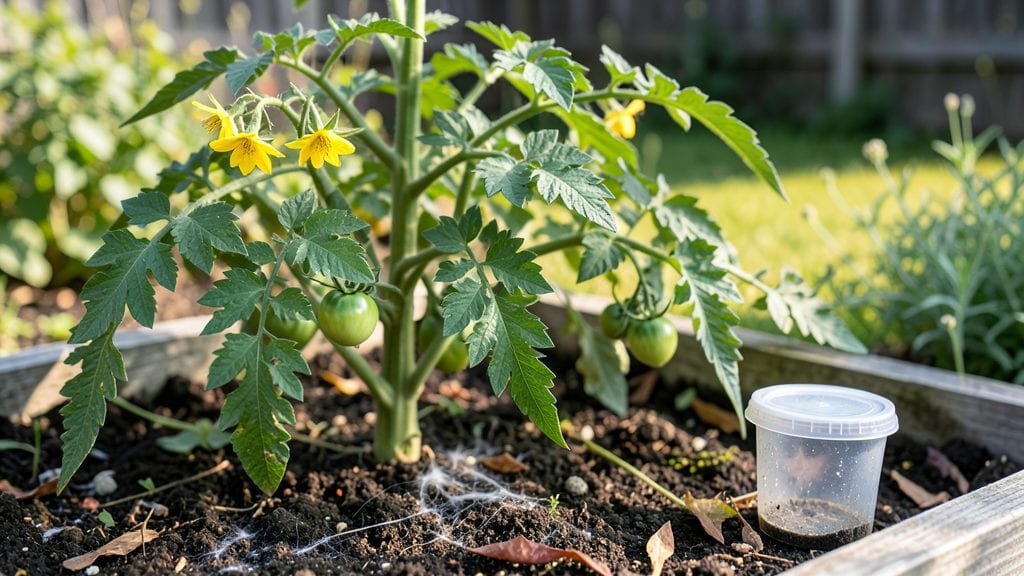
Fungus in vegetable garden soil isn’t just a nuisance—it’s a silent threat that can turn your thriving plants into sad, wilted memories. 🌱 I’ve watched my own garden go from lush and productive to struggling with damping-off and root rot, and I learned the hard way that prevention is easier than cleanup.
The good news? You can tackle this without harsh chemicals that harm your edible crops.
Most fungus problems start with too much moisture, poor airflow, or overworked soil. I’ve seen gardeners drown their plants with well-meaning watering routines or pile on too much organic matter without balancing it right.
The key is fixing drainage, spacing plants properly, and giving roots room to breathe—simple changes that make a world of difference.
With the right approach, you’ll restore healthy soil that supports strong roots and vibrant growth. Neem oil, copper sprays, and compost tea work wonders without poisoning your harvest.
Once you reset the balance, your garden will bounce back faster than you think—just look at the way my tomatoes rebounded after I adjusted my watering and added mulch.
This works for any vegetable garden, whether you’re dealing with seedlings in trays or mature plants in the ground. The secret is consistency: check your soil, adjust habits, and keep an eye out for early signs. Your future harvests will thank you.
Root Causes of Soil Fungus
Fungal growth in your vegetable garden isn’t just a random nuisance—it’s often the result of specific environmental and gardening conditions. Understanding these causes helps you take targeted action to prevent or manage outbreaks.
Below, we break down the key reasons why fungus thrives in garden soil, along with the science behind each one.
Fungi love moisture, and when soil stays damp for too long, it creates the perfect breeding ground. Why? Most fungi require high humidity (above 70%) to germinate and spread. Even beneficial fungi need balance—too much water disrupts microbial competition, letting harmful pathogens dominate.
Key triggers:
- Compacted soil: Prevents water drainage, trapping excess moisture near roots.
- Heavy rainfall or overhead watering: Keeps foliage and soil saturated for extended periods.
- Lack of organic matter: Soil without compost or mulch holds water poorly, leading to uneven moisture levels.
Actionable fix: Improve drainage with sand or perlite, raise beds, or use drip irrigation to keep leaves dry.
Fungi thrive in specific pH ranges—most pathogenic types prefer slightly acidic to neutral soil (pH 5.5–7.0). Meanwhile, beneficial fungi (like mycorrhizae) favor milder acidity (pH 6.0–7.0). When soil pH swings too high or low, it disrupts microbial balance, allowing harmful fungi to dominate.
Nutrient imbalances also play a role:
- Excess nitrogen: Promotes lush, weak plant growth that’s more susceptible to fungal infections.
- Low phosphorus or potassium: Weakens plant defenses, making them easier targets.
Actionable fix: Test your soil’s pH and amend with lime (to raise pH) or sulfur (to lower it). Use a balanced fertilizer (e.g., 10-10-10) to avoid nutrient extremes.
Fungi spread fastest in warm (60–80°F) and humid conditions—ideal for spores to germinate and hyphae to grow. Heat stress on plants (e.g., from summer sun) also weakens their natural fungal-resistant compounds, like phytoalexins.
Common scenarios:
- Greenhouse or shaded gardens: Traps heat and moisture, accelerating fungal growth.
- Plastic mulch: Can overheat soil while also retaining excess moisture.
- Late-season planting: Warm soil in autumn provides a second peak for fungal activity.
Actionable fix: Improve airflow with staking or pruning, avoid working soil when it’s wet, and use reflective mulch to reduce heat buildup.
Fungal spores are everywhere, but they persist in soil for years—especially if introduced via contaminated amendments, compost, or gardening tools. Pathogens like Phytophthora or Fusarium can lie dormant until conditions are right.
How contamination spreads:
- Infected plant debris: Leaving old roots or diseased plants in the soil.
- Unsterilized tools: Pruners or shovels carrying spores from one plant to another.
- Manure or compost from unknown sources: May contain latent fungal pathogens.
Actionable fix: Sterilize tools with rubbing alcohol, remove plant debris promptly, and use pasteurized compost (heated to 140°F for 1 hour).
Growing the same crops year after year in the same spot exhausts soil nutrients and creates a fungal “buffet.” Pathogens specialize in specific plants—e.g., Verticillium wilt targets tomatoes and peppers, while Powdery mildew favors cucurbits (squash, melons).
Why it backfires:
- No microbial diversity: Beneficial fungi and bacteria can’t outcompete pathogens.
- Weakened plant immunity: Repeatedly stressed plants become fungal magnets.
Actionable fix: Practice crop rotation (e.g., swap tomatoes with beans) and interplant with fungal-resistant varieties (e.g., disease-tolerant zucchini).
Pro tip: 💡 Preventative tip—Add trichoderma or mycorrhizal fungi to soil to crowd out pathogens naturally. These beneficial fungi outcompete harmful ones for space and nutrients!
Fixing Fungus Issues Naturally
Fungus in your vegetable garden soil doesn’t have to mean the end of your green thumb dreams—especially when you tackle it with targeted, plant-friendly solutions. Below, we map common causes to practical fixes, ensuring your soil stays healthy while keeping your veggies thriving.
Prevention tips are sprinkled throughout to keep future outbreaks at bay!
Signs: Mushy soil, waterlogged patches, or visible fungal growth like mold or slimy films. Why it happens: Excess moisture creates the perfect breeding ground for fungi, suffocating roots and inviting pathogens.
How to fix it:
- 🔪 Improve drainage by amending soil with coarse sand, perlite, or compost (aim for 20-30% organic matter). Avoid clay-heavy soils—mix in gypsum to break up compacted areas.
- 👨🍳 Adjust watering habits: Water deeply 2-3 times per week (early morning) instead of daily light sprinkles. Use a soaker hose or drip irrigation to deliver water at the roots, not the leaves.
- ⏰ Raise beds or mounds for heavy clay soils to prevent pooling. Add gravel or broken terracotta pots beneath containers for extra drainage.
Prevention pro tip: 💡 Install swales (shallow trenches) to redirect rainwater away from garden beds. Mulch with straw or wood chips (2-3 inches thick) to regulate moisture and block fungal spores from splashing up.
Signs: Fungal spots on leaves, weak stems, or powdery mildew on foliage. Why it happens: Crowded plants trap humidity, while dense mulch or thick ground cover smothers roots.
How to fix it:
- 🌿 Thin out plants to allow 3-4 inches of space between stems for airflow. Prune away dead or diseased leaves immediately.
- 🔥 Elevate mulch—keep it 1-2 inches away from stems to prevent moisture buildup. Use straw or pine needles (avoid leaves, which compact).
- ✨ Add trellises for vining plants (like cucumbers or beans) to lift them off the ground. Install fan oscillators on low settings near beds to circulate air gently.
Prevention pro tip: 🌡️ Plant fungus-resistant varieties (e.g., ‘Regal Pride’ tomatoes or ‘Mibuna’ greens) and intercrop with garlic or chives—their natural antifungal properties deter spores.
Signs: Yellowing leaves, stunted growth, or black mold on soil surface. Why it happens: Too much nitrogen (from fresh manure or synthetic fertilizers) fuels fungal growth, while phosphorus or potassium deficiencies weaken plant defenses.
How to fix it:
- 📊 Balance nutrients with a soil test (available at local extension offices). If nitrogen is high, switch to composted manure or bone meal (for phosphorus).
- 💪 Boost beneficial microbes with:
- Mycorrhizal fungi (add powder or granules to planting holes—it forms symbiotic relationships with roots).
Prevention pro tip: ✨ Rotate crops annually to prevent nutrient depletion and fungal buildup. Plant cover crops (like clover or vetch) in off-seasons to restore soil health.
Signs: Slow plant growth, white or black fungal webs, or soil that smells sour. Why it happens: Old pesticides, synthetic fertilizers, or contaminated soil disrupt microbial balance.
How to fix it:
- 🌱 Flush the soil with hydrogen peroxide (3%)—mix 1 part peroxide to 10 parts water and spray lightly on soil (repeat weekly until improvement).
- 🍎 Add organic matter like worm castings or coconut coir to outcompete harmful fungi. These introduce beneficial bacteria that suppress pathogens.
- 🔥 Solarize the soil (for severe cases): Cover beds with clear plastic sheeting for 4-6 weeks in hot sun to bake out pathogens (best in summer).
Prevention pro tip: 🎯 Test soil before planting—high salt or chemical levels may need gypsum or peat moss to neutralize. Always read labels on organic amendments for safe application rates.
Final Reminder: 🌱 Monitor and adapt—fungus issues often return if conditions aren’t fully addressed. Keep a garden journal** to track what works (and what doesn’t) in your specific climate!
Frequently asked questions
What are the first signs of harmful fungus in my vegetable garden soil?
Watch for mushy soil, slimy films, or visible mold growth on the surface—classic signs of excess moisture. You may also spot yellowing leaves, stunted plants, or white/black fungal webs, especially after heavy rain or overwatering. Check roots for soft, discolored areas, which indicate root rot.
Can I still grow vegetables in soil with fungus?
Yes, but you’ll need to remediate the soil first. Start by improving drainage (add compost or perlite) and reducing moisture. Use beneficial microbes like mycorrhizal fungi or neem oil sprays to crowd out pathogens. Avoid planting susceptible crops (like tomatoes) until the soil tests clean.
How do I know if my soil fungus is harmful or beneficial?
Harmful fungus causes plant damage (wilting, spots, rot), while beneficial types (like mycorrhizae) improve growth without harm. Look for white fungal threads on roots—these are usually harmless. If plants thrive despite visible fungi, it’s likely beneficial. If they struggle, act fast with organic treatments.
Will compost help or worsen soil fungus problems?
Compost can help if properly aged—fresh compost may introduce spores, but well-composted material (heated to 140°F) kills pathogens. Use pasteurized compost or add worm castings (which boost beneficial microbes) to outcompete harmful fungi. Always mix compost into soil rather than layering it on top.
How often should I test my soil for fungus?
Test annually in spring or before planting, especially if you’ve had issues. For severe cases, test every 3 months to monitor progress. Use a home soil test kit (for pH/nutrients) or send samples to a lab for fungal analysis. Preventative testing catches problems before they spread.