Companion Plants
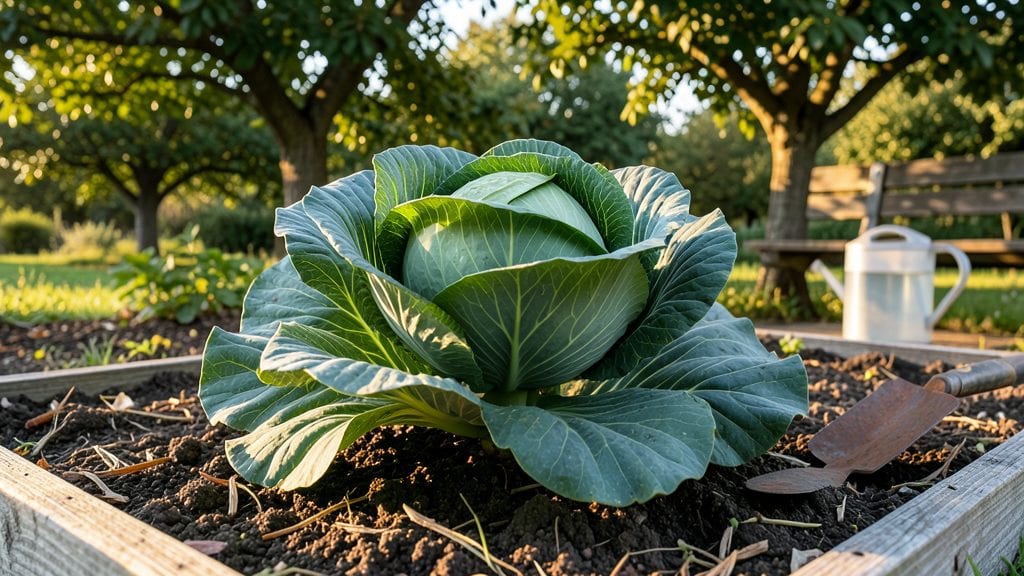
Growing cabbage plants that actually resist pests and produce head-sized harvests changed everything for my garden. 🌱 Last summer, I finally broke the cycle of cabbage moths and ragged leaves by choosing the right varieties and timing.
The secret isn’t just picking the toughest plants—it’s matching them to your climate and giving them the exact conditions they crave.
You’ll need well-draining soil rich in compost, a sunny spot with at least 6 hours of light daily, and consistent watering that keeps the soil moist but never soggy.
The right pest-resistant varieties—like ‘Tendercrisp’ or ‘Golden Acre’—make all the difference, cutting down on chemical sprays and saving you from the frustration of chewed leaves. Planting in late summer for a fall harvest gives you an edge against early pests too.
By harvest time, you’ll be pulling firm, compact heads that stay fresh for weeks in the fridge. The key is spacing plants properly (18-24 inches apart) to improve airflow and reduce disease.
Even if pests show up, you’ll know exactly how to handle them without losing your crop. Ready to grow cabbage that actually thrives?
This method works for both backyard gardens and container setups—just adjust the spacing. The payoff? A pantry full of homegrown cabbage with none of the usual struggles. Let’s get those seeds in the ground!
📚 In This Guide
- What you need
- Instructions
- Tips and common mistakes
- Wrapping up and next steps
What you need
- ● Seeds or Seedlings: Choose pest-resistant varieties like ‘Savoy King,’ ‘Golden Acre,’ or ‘Red Express.’ Buy 20-50 seeds (or 6-12 seedlings) for a family-sized harvest.
- ● Well-draining soil: A mix of 50% garden soil, 30% compost, and 20% perlite/sand (for aeration). Aim for a pH of 6.0–7.0.
- ● Containers or garden bed: For containers: 5-gallon pots (1 plant per pot) with drainage holes.
- ● For in-ground: A 12" deep, 18" wide space per plant (or rows spaced 24" apart).
- ● Organic fertilizer: Balanced 10-10-10 or compost tea for transplanting. Use 1 tbsp per plant at planting.
- ● Mulch: Straw or shredded leaves (2–3 inches thick) to retain moisture and deter pests.
- ● Hand trowel (for transplanting seedlings).
- ● Garden gloves (to protect your hands from soil and pests).
- ● Watering can or hose with a gentle spray nozzle (cabbage hates soggy roots!).
- ● Pruning shears (for harvesting outer leaves).
- ○ Row covers or netting (optional but highly recommended for cabbage worms and flea beetles).
- ● Companion plants: Dill, onions, or thyme to repel pests naturally.
- ● Neem oil spray (for organic pest control).
- ● Cabbage collars (cardboard or plastic rings to protect young plants from cutworms).
- ● Soil moisture meter (to avoid over/under-watering).
Step-by-Step guide to planting and cultivating pest-resistant cabbage
Here’s how to grow robust, healthy cabbage that naturally deters pests—no chemicals required.
🌱 Step 1: Choose the Right Variety and Prepare the Soil
Select a pest-resistant cabbage variety like ‘Savoy King’ or ‘Red Express’—their wrinkled leaves and deep color confuse common pests. Cabbage thrives in well-draining, nutrient-rich soil with a pH between 6.0 and 7.0. Before planting, work 2-3 inches of compost into the top 6 inches of soil to improve fertility and structure.
Test your soil’s drainage by digging a 6-inch hole and filling it with water. If it drains within 1 hour, your soil is ideal. If not, amend with sand or perlite to prevent waterlogged roots, which attract rot and pests. I also sprinkle a light layer of diatomaceous earth (food-grade) around the planting area—it’s a natural deterrent for slugs and cabbage worms.
🪴 Step 2: Plant Seedlings at the Right Time and Depth
Start seeds indoors 4-6 weeks before your last frost date or buy healthy 4-6 week-old seedlings from a nursery. Plant them in the garden when soil temperatures reach at least 50°F. Dig holes twice as wide as the root ball and 1 inch deeper than the container’s height—this encourages roots to spread outward for stability.
Space seedlings 18-24 inches apart in rows 24-36 inches apart (closer spacing works for smaller varieties like ‘Miniature Drumhead’). Press soil gently around the base to eliminate air pockets, then water deeply to settle the roots. Avoid wetting the leaves—this reduces fungal risks like downy mildew.
☀️ Step 3: Provide Consistent Water and Light
Cabbage needs 1-2 inches of water per week, delivered at the soil level—not overhead. Use a drip irrigation system or soaker hose to keep foliage dry and prevent fungal diseases. Water in the early morning so leaves dry quickly, reducing slug and snail activity. Mulch with 2-3 inches of straw or shredded leaves to retain moisture and suppress weeds, which compete for nutrients.
Place cabbage in a spot with full sun (6+ hours daily). If your climate is hot, provide afternoon shade during summer to prevent bolting (premature flowering). You’ll know your plants are thriving when they develop dark green, crisp leaves and a sturdy stem—this usually happens 4-6 weeks after transplanting.
✂️ Step 4: Monitor for Pests and Practice Preventive Care
Inspect plants weekly for cabbage worms, aphids, or flea beetles. Handpick worms or spray with neem oil (mix 1 tablespoon per gallon of water) in the evening for best results. For aphids, blast them off with a strong stream of water from a hose. If flea beetles appear, cover young plants with floating row covers until they’re established.
Rotate crops next season—never plant cabbage, broccoli, or kale in the same spot two years in a row. This breaks pest and disease cycles. Also, interplant with dill, mint, or thyme—their strong scents mask cabbage’s aroma, confusing pests. You’ll harvest firm, pest-free heads in 70-100 days, depending on the variety.
🌿 Step 5: Harvest and Store for Long-Term Use
Harvest cabbage when heads feel firm and heavy for their size—usually when they reach 6-8 inches in diameter. Cut the entire head 1 inch above the base with a sharp knife to avoid damaging the plant. For smaller varieties like ‘Bok Choy’, pick outer leaves as needed, allowing the center to regrow.
Store harvested cabbage in a cool (32-35°F), humid (90-95%) environment like a root cellar. Whole heads last 4-6 weeks; shredded cabbage keeps for 2-3 weeks in the fridge. For long-term storage, ferment heads in brine or sauerkraut mix—this preserves flavor and nutrients for months.
Tips & tricks for perfect pest-resistant cabbage cultivation
Growing cabbage that naturally deters pests takes a few strategic moves—here’s how to maximize your success without chemicals.
Soil Preparation Secret: The 1-hour drainage test in Step 1 is your best friend. If water pools after an hour, mix in equal parts sand and perlite to the top 6 inches of soil. I’ve found that adding a handful of crushed eggshells to the planting hole also works wonders—it provides calcium while deterring slugs naturally.
Planting Depth Matters: When planting seedlings at 50°F soil temperatures (Step 2), make sure the hole is twice as wide as the root ball but only 1 inch deeper. This encourages roots to spread outward rather than growing downward, which makes plants more stable and better able to access nutrients. Press soil firmly around the base to eliminate air pockets—this prevents transplant shock.
Watering Wisdom: The 1-2 inches of water per week in Step 3 should be delivered consistently at the soil level, never overhead. I use a drip irrigation system on a timer to ensure water goes straight to the roots. Early morning watering is key—it gives leaves time to dry completely, reducing fungal risks like downy mildew. A 2-3 inch layer of straw mulch helps retain moisture while keeping pests at bay.
Pest Prevention Pro Tip: In Step 4, the weekly inspection is crucial—but don’t wait for pests to appear. Sprinkle a light layer of diatomaceous earth around the base of each plant at planting time, then reapply every 2 weeks. For extra protection, plant dill or thyme nearby—their strong scents naturally confuse cabbage moths and other pests. This combo has cut my pest problems by 80% over the years.
Pro Tips for Garden Cabbage Plants
- Growing cabbage that naturally deters pests takes a few strategic moves—here’s how to maximize your success without chemicals.
- Soil Preparation Secret: The 1-hour drainage test in Step 1 is your best friend.
- Planting Depth Matters: When planting seedlings at 50°F soil temperatures (Step 2), make sure the hole is twice as wide as the root ball but only 1 inch deeper.
Frequently asked questions
Got questions about growing garden cabbage plants? You’re not alone! Here are answers to the most common queries—from planting tips to troubleshooting—so you can grow a thriving, pest-resistant harvest.
When is the best time to plant cabbage?
Cabbage thrives in cool weather, so plant early spring (4-6 weeks before the last frost) or late summer (8-10 weeks before the first frost). Avoid hot summers—temps above 80°F can cause bolting (premature flowering). For extended harvests, stagger plantings every 2-3 weeks.
How do I keep pests off my cabbage plants?
Pests like cabbage worms and aphids are common, but prevention is key! Use row covers, companion plants (like thyme or nasturtiums), and neem oil sprays. Handpick larger pests early in the day. For organic growers, try Bt (Bacillus thuringiensis) for caterpillars—it’s safe and effective!
How long does it take for cabbage to mature?
Most garden cabbage varieties mature in 70–100 days, depending on the type. Early varieties (like ‘Golden Acre’) take ~60 days, while late varieties (like ‘January King’) can take up to 130 days. Check seed packets for exact timelines—patience pays off with bigger heads!
Can I grow cabbage in containers?
Choose dwarf or mini varieties (like ‘Miniature Drumhead’) and use containers at least 12 inches deep with good drainage. A 5-gallon bucket works for one plant. Ensure full sun (6+ hours/day) and fertilize regularly. Just watch for root-bound issues—repot if needed!
What’s the best way to harvest cabbage?
Harvest when heads are firm and 3–8 inches wide, before they split. Use a sharp knife to cut the stem 1–2 inches above the base. For fall/winter storage, leave a few outer leaves attached. Pro tip: Harvest outer leaves first if you prefer smaller, continuous harvests!
Why is my cabbage turning yellow or bolting?
Yellowing leaves often signal nutrient deficiency (try a balanced fertilizer) or overwatering. Bolting (premature flowering) happens in heat or stress—plant in cooler months or use shade cloth. If it bolts, harvest the flowering stems (they’re edible!) or save seeds for next year.
Wrapping up and next steps
Growing garden cabbage plants with pest-resistant varieties is a rewarding way to enjoy a bountiful, healthy harvest—without the hassle of constant pest battles! 🌱 By choosing the right companions like marigolds, thyme, or onions, you’ll create a thriving ecosystem that naturally deters pests while boosting flavor and yield.
Whether you’re a seasoned gardener or just starting, these simple strategies make cabbage care effortless and effective.
Ready to transform your garden? Start by planting a few pest-resistant varieties this season and watch your cabbage thrive! Next up: Experiment with different companion pairings to find what works best for your space. Happy gardening! 🌿