
Landscaping
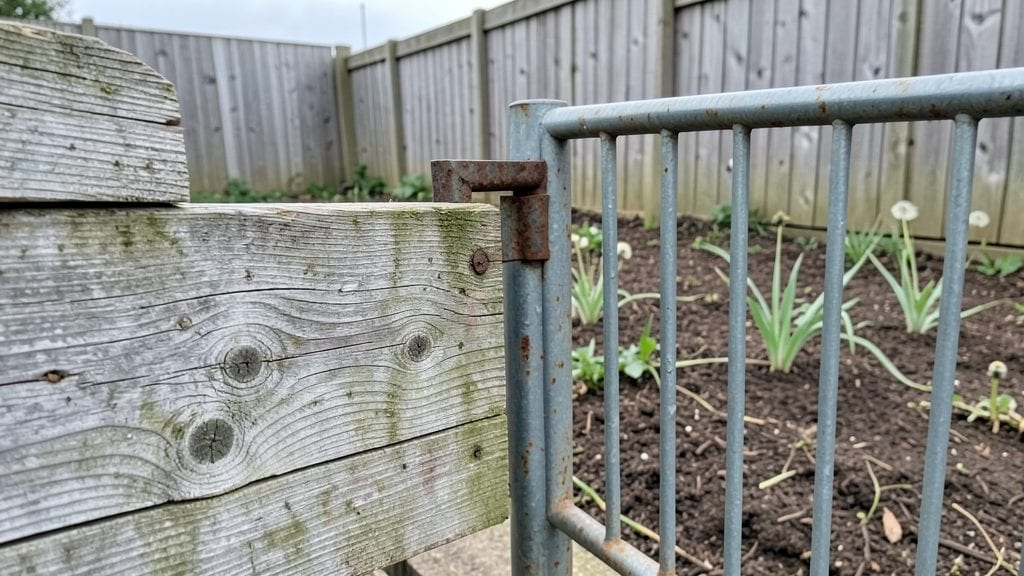
Garden fence gate ideas combine practicality with visual appeal, featuring options like arched wooden designs for timeless elegance, sleek metal sliding gates for modern security, or decorative lattice-topped gates for added privacy. Choosing between materials like cedar, aluminum, or wrought iron lets you match your gate to both function and style.
When selecting garden fence gate ideas, think beyond aesthetics—durability and climate matter too. 🔥 Cedar gates resist rot but need sealing every few years, while aluminum stays low-maintenance but may dent in high-wind areas.
I’ve seen homeowners pair rustic wooden gates with black iron hardware for a cohesive, high-end look, while others opt for powder-coated steel for weather resistance in rainy climates. The right choice depends on whether you prioritize charm, security, or minimal upkeep.
Pro tip: Measure your fence opening carefully—most gates require 32-36 inches of clearance, but custom designs can fit tighter spaces. Pre-made gates often include all hardware, while DIY projects let you upgrade to heavy-duty hinges or electronic locks for added security.
Consider how often you’ll open the gate too: sliding models save space but need smooth tracks, while hinged designs offer easier access for wheelbarrows or strollers.
💡 In This Article
- Material and Style Choices for Garden Fence Gates
- DIY vs. Pre-Made Garden Gate Solutions
Material and style choices for garden fence gates
Wooden gates bring warmth and natural beauty but require regular upkeep, especially in humid climates. Cedar, for instance, resists rot naturally due to its high tannin content, but still needs sealing every 2-3 years to prevent moisture damage.
Pressure-treated pine offers affordability but may warp over time if not properly maintained. The grain patterns in wood create visual texture, making it ideal for rustic or traditional styles, while the weight provides excellent security when paired with heavy-duty hinges.
Metal gates deliver unmatched durability and security, with wrought iron offering classic elegance that resists rust when properly painted. Aluminum, however, stays lightweight and corrosion-resistant, making it perfect for modern designs in coastal areas where salt air accelerates metal degradation.
Powder-coated finishes add color options while protecting against UV rays and weathering. For high-security needs, steel gates with 16-gauge thickness provide the strongest barrier, though they require professional installation due to their weight.
Vinyl gates combine low maintenance with modern aesthetics, resisting moisture and pests without sealing. They're ideal for homeowners prioritizing ease of care, though they lack the natural charm of wood. The material's smooth surface allows for clean, contemporary designs, but can show scratches more visibly than metal.
Climate plays a critical role here—vinyl expands and contracts with temperature changes, so proper installation with flexible mounting brackets prevents warping in extreme heat or cold.
Style choices extend beyond materials to functional considerations like gate swing direction. Single-swing gates work well for 32-inch openings and offer easy access, while double gates maximize space for larger properties. Sliding gates save valuable walkway space but require smooth track systems to prevent jamming.
Lattice-topped designs provide privacy while allowing light through, creating a balance between security and openness that's perfect for front yard aesthetics.
Hardware selection ties the whole design together. Black iron hardware adds a classic, timeless look that pairs beautifully with wood, while brass finishes bring warmth to modern metal gates. For security-focused properties, consider grade 2 or 3 bolts that resist tampering.
The weight distribution of hardware also matters—heavy-duty hinges should support at least 50% of the gate's weight to prevent sagging over time.
What most people overlook is how climate affects material performance. In rainy regions, cedar gates develop silver-gray patina that enhances their charm, while in dry climates, metal gates may require more frequent painting to prevent oxidation.
Coastal areas demand corrosion-resistant materials like stainless steel or treated wood to withstand salt exposure. The right choice depends on balancing your aesthetic preferences with your local weather patterns and maintenance willingness.