
Tools
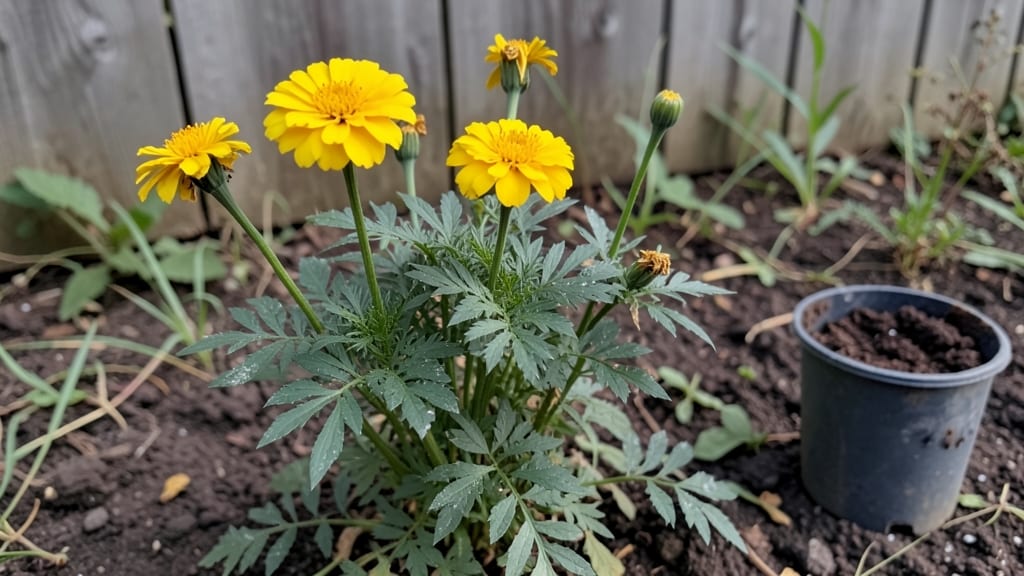
A garden for kindergarten should be as much about wonder as it is about growing. 🌱 I designed mine with my niece in mind—soft edges, no sharp tools, and plants that smell like sunshine or taste like a snack.
The key is balancing safety with discovery, so little hands can dig, touch, and learn without worry.
Start with raised beds filled with non-toxic plants like sunflowers, strawberries, and herbs—kids love the textures and flavors. Add a shaded play area with soft mulch and a bug hotel made from sticks and pinecones. Label everything with pictures, not just words, so they connect names to experiences.
By the end of spring, you’ll see tiny fingers planting seeds, giggles over new sprouts, and a classroom that grows along with them. The best part? They’ll leave with confidence—and maybe a handful of edible flowers to snack on.
Works for schools, daycares, or backyard play gardens. Let’s make dirt time magical!
📚 In This Guide
- What you need
- Instructions
- Tips and common mistakes
- Wrapping up and next steps
What you need
- ● Containers or Raised Beds: 4–6 large plastic bins (10–12" deep) or
- ● 2–3 wooden raised beds (12"–18" deep, 3'–4' long)
- ● Soil: 1–2 bags of potting mix (sterilized, organic, no chemicals)
- ○ Optional: 1 bag of coco coir or peat moss for moisture retention
- ● Edible Plants (Child-Safe & Fast-Growing): 10–15 sunflower seeds (easy to plant, fun to watch grow!)
- ● 5–10 radish seeds (harvest in 3–4 weeks!)
- ● 3–5 lettuce or spinach seedlings (pre-planted for quick results)
- ● 1–2 strawberry plants (great for sensory play and snacking!)
- ● 1–2 herb seedlings (basil, mint, or chives—safe and aromatic)
- ● Tools for Little Hands: 4–6 plastic trowels (kid-sized, 6"–8" long)
- ● 2–3 spray bottles (for gentle watering)
- ● 1 child-safe watering can (with a long spout)
- ● Safety & Organization: 1 roll of biodegradable mulch (to keep soil clean and moist)
- ● 4–6 plant labels (use popsicle sticks + markers)
- ● 1 first-aid kit (for minor scrapes—always be prepared!)
- ● Colorful garden markers (let kids decorate their own labels!)
- ● Sensory-friendly additions: Textured plants (e.g., lamb’s ear or fuzzy lambs quarters)
- ● Smelly herbs (lavender or rosemary for sniffing)
- ● Shade cloth or a pop-up canopy (for sunny outdoor spaces)
- ● Glow-in-the-dark garden stakes (for nighttime exploration!)
Instructions for creating a kindergarten garden
Here's how to build a garden that sparks curiosity and grows confidence in little hands.
🌱 Step 1: Choose a Sunny, Accessible Spot
Pick a 4-foot by 4-foot area that gets at least 4-6 hours of sunlight daily. Avoid spots where kids might trip over roots or where water might puddle after rain. I like to lay down a 6-foot by 6-foot tarp first—it keeps weeds down and makes the space clearly defined for tiny gardeners.
Check the soil by digging a 1-inch hole with a small shovel. If it feels hard or dry, mix in 2 gallons of compost to loosen it up. Kids love turning the soil with a small hand trowel, so save this step for when they're ready to help!
🪴 Step 2: Build Raised Beds or In-Ground Planters
For safety, I recommend two 2-foot by 2-foot raised beds made from untreated wood or sturdy plastic. If you're planting directly in the ground, mark the area with stakes and string to show where each child's section will be. Keep the beds no taller than 6 inches—this makes it easy for little hands to reach and dig.
Line the bottom of the beds with cardboard or landscape fabric to block weeds. Then fill them with 3 bags of potting mix mixed with 1 bag of coconut coir for extra moisture retention. Kids can help scoop and level the soil with small buckets or their hands—just supervise to avoid clumps.
🌿 Step 3: Plant Easy, Edible, and Safe Options
Stick to fast-growing, non-toxic plants like sunflower seeds, cherry tomatoes, or bush beans. For instant gratification, plant radish seeds—they sprout in just 3-5 days and kids can pull them up like little treasures. Space seeds 1 inch apart in rows, and let the kids use their fingers to press them lightly into the soil.
Add a few sensory plants like mint or basil—their leaves are soft and smell amazing. Label each plant with child-friendly signs (e.g., "Sunflowers" or "Tomatoes") using sticks and washable markers. Kids love checking their progress and feeling proud when they recognize their own plants.
⏰ Step 4: Set Up a Watering Routine
Use a small watering can with a long spout (or even a clean spray bottle) so kids can water their plants without overdoing it. Teach them to water early in the morning when the soil is dry—1 inch per week is plenty. I like to give each child a red solo cup with their name on it for watering duties.
Make it fun by turning watering into a game: "Can your sunflower reach the sky by next Tuesday?" or "Who can make their beans grow the fastest?" Check the soil moisture by pressing a finger ½ inch deep—if it feels dry, it's time to water.
💧 Step 5: Add Fun Extras for Engagement
Include colorful pebbles or smooth stones as markers for plant rows—kids love arranging them. Add a small bird feeder nearby so they can observe wildlife. For a bonus sensory experience, plant edible flowers like nasturtiums (they’re safe and taste peppery!).
Set up a tiny "harvest station" with a small basket or tray where kids can collect their veggies. When radishes or beans are ready, let them pull them up (supervised!) and taste the fruits of their labor. This builds excitement and makes the garden feel like a real adventure.
Tips & tricks for perfect kindergarten garden play
Creating a magical garden space for little hands takes more than just planting—here's what I've learned to make it truly special.
Sunlight Strategy: The 4-6 hours of sunlight requirement is non-negotiable for most edible plants, but here's the trick: position your garden where morning sun (cooler) hits first, then afternoon shade kicks in. This prevents scorching while still giving plants the energy they need. I've found that south-facing spots work best in most northern hemisphere locations—just check your local sun patterns first!
Kid-Friendly Design: The two 2-foot by 2-foot raised beds are perfect for little hands, but don't stop there. Add a third "sensory bed" filled with only soft plants like lamb's ear or fuzzy strawberries. Kids love the texture contrast, and it gives them another reason to explore. I've seen shy children become engaged just by touching these plants!
Plant Selection Insight: Those radishes sprouting in just 3-5 days are your secret weapon for instant gratification. Pair them with sunflowers (which grow fast too) for a visual progression kids can track daily. I like to make a simple chart where each child gets to mark their plant's growth with stickers—it turns observation into a game.
Watering Hack: The 1-inch-per-week watering guideline works, but here's how to make it tangible for kids: use those red solo cups! Fill each cup to the 8-ounce line—that's exactly 1 inch of water. Let each child be responsible for their own cup and their designated plants. The visual measurement makes the concept concrete for little ones.
Pro Tips for Garden For Kindergarten
- Creating a magical garden space for little hands takes more than just planting—here's what I've learned to make it truly special.
- Sunlight Strategy: The 4-6 hours of sunlight requirement is non-negotiable for most edible plants, but here's the trick: position your garden where morning sun (cooler) hits first, then afternoon shade kicks in.
- Kid-Friendly Design: The two 2-foot by 2-foot raised beds are perfect for little hands, but don't stop there.
Frequently asked questions
Got questions about creating a kindergarten garden? You're not alone! Here are some of the most common concerns—and practical solutions—to help you get started with confidence.
What are the safest plants to grow for young children?
Opt for non-toxic, easy-to-harvest plants like sunflowers, strawberries, cherry tomatoes, and bush beans. Avoid anything with thorns (e.g., raspberries) or strong scents (e.g., mint). Always supervise kids and teach them to never eat plants unless an adult confirms they’re safe!
How long does it take to see results in a kindergarten garden?
Fast-growing options like radishes (3–4 weeks) or lettuce (4–6 weeks) keep kids engaged quickly. Slower crops (e.g., carrots, pumpkins) take months but offer long-term lessons in patience. Start with a mix of both for instant gratification and delayed rewards!
What’s a budget-friendly way to start a kindergarten garden?
Repurpose containers (yogurt cups, plastic bins) for seeds or use recycled materials like pallets for raised beds. Skip expensive soil—mix compost with store-bought potting mix. Check dollar stores for affordable tools, and ask parents to donate seeds or seedlings to share costs.
How do I protect the garden from pests or bad weather?
Use row covers (light fabric) to deter bugs and shield delicate plants. For rain, elevate containers or place them under a tarp. Teach kids to gently remove slugs (drop them in a bucket of soapy water) and avoid harsh chemicals. A _DIY_ spray of water and dish soap works for mild infestations!
Can I do this garden indoors or in a classroom?
Use grow lights for indoor setups and opt for fast-growing herbs (basil, chives) or microgreens in trays. Place gardens near windowsills or under fluorescent lights. Just ensure proper drainage and avoid overwatering—kids love "watering duty" but need reminders to check soil moisture first!
Wrapping up and next steps
A garden for kindergarten isn’t just a space—it’s a playground for tiny hands and curious minds! 🌱 From sensory-rich soil to edible adventures, these gardens spark creativity, learning, and joy while keeping safety top of mind.
Whether you’re a parent, teacher, or caregiver, the key is to start small, stay flexible, and let the magic of nature unfold.
Ready to dig in? Your next step:
- Gather your supplies and sketch a simple layout—even a small container garden works!
- Involve the kids in planting day (they’ll love it!).
- Watch as their excitement—and your garden—grows together!