
Pests
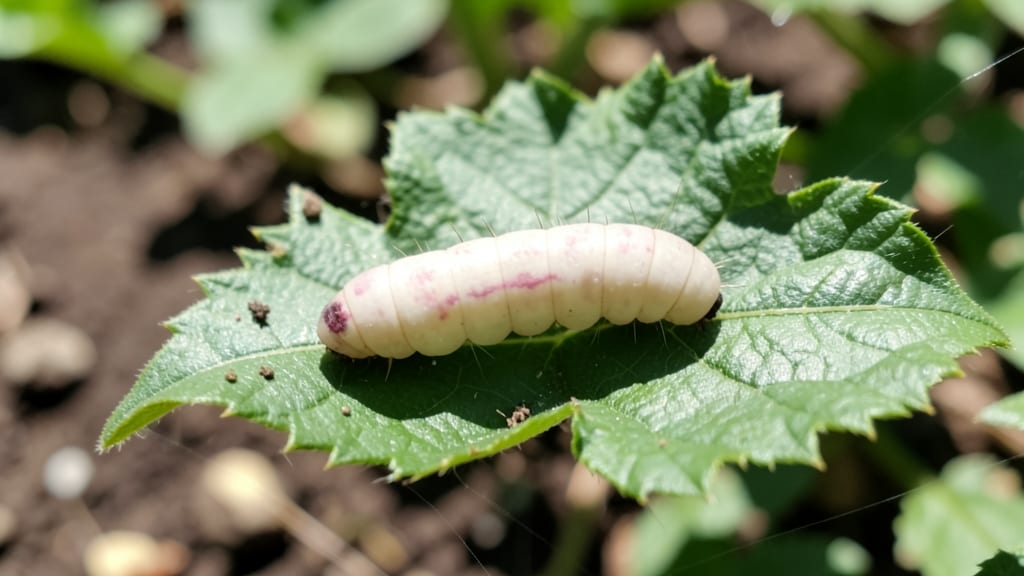
The identification of garden grubs is your first step to protecting a thriving garden before pests even reveal their damage. 🌱 I’ve spent years watching these tiny invaders chew through roots and stems, and the difference between a thriving garden and a struggling one often comes down to spotting them early.
Some look harmless—soft-bodied and squirming—while others hide deep in soil or camouflage as plant debris.
The key is knowing what to look for: size, shape, and where they’re found. Cutworms leave ragged stems at soil level, wireworms burrow into tubers, and Japanese beetle grubs create a lacy skeleton of leaves.
A simple magnifying glass or flashlight after dark can reveal their secrets—no fancy tools needed. Most importantly, not all grubs are pests; some, like soldier fly larvae, help break down organic matter.
Once you recognize the culprits, you’ll act fast—whether that means handpicking, encouraging predators, or adjusting watering habits. The goal isn’t just to spot them, but to turn your garden into a place where beneficial grubs outnumber the harmful ones.
Here’s how to tell them apart and protect your plants before damage sets in.
This guide covers the most common offenders in North American gardens, from the fuzzy white grubs of June bugs to the sleek, brown cutworms that strike at night.
Whether you’re dealing with a new infestation or just curious about what’s tunneling under your soil, these visual clues will help you make the right call—and keep your garden thriving.
Root Causes Of Grub Infestations
Understanding why grubs invade your garden starts with recognizing their natural behaviors and the conditions that attract them. These soil-dwelling larvae aren’t just random pests—they’re drawn to specific environmental cues and plant preferences. Here’s why your garden might be a buffet for them:
Grubs thrive in moist, soft soil because it’s easier for them to burrow and feed. Overwatering creates the perfect humidity level for their survival, while compacted soil (often from foot traffic or heavy machinery) reduces drainage, keeping roots waterlogged.
This environment mimics their natural habitat—decaying organic matter in damp forest floors.
Why it matters:
- Lack of oxygen in saturated soil weakens plant roots, making them easier targets.
- Poor drainage traps grubs near the root zone, increasing damage.
- Fungal growth (a grub food source) flourishes in wet conditions, drawing more adults to lay eggs.
Actionable fix: Test your soil’s moisture by squeezing a handful—if water drips out, it’s too wet. Improve drainage with organic matter (compost, leaf mold) or sand amendments (for clay-heavy soils).
Grubs and their adult beetles (like Japanese beetles or June bugs) feed on decaying plant material. Leaving behind:
- Grass clippings
- Leaf litter
- Rotted wood or mulch piles
…sends a signal: "Free all-you-can-eat buffet here!" Female beetles lay eggs in these rich, nitrogen-loaded zones, ensuring larvae have immediate access to food.
Why it matters:
- Decomposing matter releases sugars and proteins that attract egg-laying adults.
- Thick mulch layers (especially near lawn edges) create microclimates that protect grubs from predators and desiccation.
Actionable fix:
- Rake up clippings after mowing.
- Limit mulch depth to 2–3 inches, keeping it 6 inches away from plant stems.
- Aerate compacted areas to expose eggs to birds and drought.
Not all plants are equal in the grub stakes.
Grubs prefer tender, young roots and thrive in: - Newly planted grass (especially Kentucky bluegrass, turf-type tall fescue, and ryegrass). - Weak or stressed plants (drought, disease, or poor soil nutrition). - Shady, moist areas where grass grows slowly, making roots an easy snack.
Why it matters:
- Fast-growing roots (like in spring) are high in starches—grub caviar.
- Thin turf allows grubs to reach the soil surface, where they’re exposed to predators and pesticides (but also more visible damage).
Actionable fix:
- Strengthen soil health with mycorrhizal fungi or beneficial nematodes (Steinernema carpocapsae) to crowd out grubs naturally.
- Avoid over-fertilizing with nitrogen—it encourages soft, grub-loved roots.
Grubs don’t appear out of nowhere—they’re the larval stage of beetles, and their life cycle is tightly linked to seasons: 1. Adult beetles emerge in late spring/early summer (e.g., June bugs in June, Japanese beetles in July).
- They feed on leaves (not roots!) for 4–6 weeks, then lay eggs in soil.
- Eggs hatch into grubs in 4–10 days, which then overwinter (surviving cold) to resume feeding in spring.
Why it matters:
- Peak egg-laying (June–August) means grubs will be most active next year, not this season.
- Mild winters allow more grubs to survive, leading to exponential growth in infestations.
Actionable fix:
- Monitor adult beetles in summer—if you see swarms, treat soil preventively with milky spore bacteria (for Japanese beetle grubs) or neem oil (to deter adults).
- Aerate lawns in fall to expose eggs to predators like starlings, skunks, and toads.
Grubs are cold-hardy but hate extreme heat or drought. They seek:
- Consistently moist, cool soil (55–75°F).
- Protected areas (under thick mulch, dense grass, or leaf litter).
Why it matters:
- Drought stress forces grubs to move upward, where they’re easier to spot (and kill) but also more vulnerable to birds.
- Sudden temperature swings (like late-spring frosts) can kill eggs or young grubs, reducing next year’s population.
Actionable fix:
- Mulch strategically: Use straw or pine needles (not wood chips) in garden beds to retain moisture without suffocating soil.
- Water deeply but less frequently to encourage deep root growth, which grubs avoid.
Grubs follow this priority list when choosing a garden home:
- Moisture (they dehydrate easily).
- Food (decaying organic matter > live roots).
- Shelter (compacted soil, mulch, or thick grass).
- Predator avoidance (open, sunny areas = more bird activity).
Disrupt their priorities, and you’ll see fewer grubs next season. Start with soil tests (check pH and organic matter) and targeted watering—small changes make a big difference!
Quick fixes for garden grub problems
Once you’ve identified the culprits wreaking havoc in your garden—whether it’s Japanese beetle grubs, cutworms, wireworms, or root maggots—it’s time to take action. The good news? Most grub issues can be tackled with a mix of physical removal, natural predators, organic treatments, and smart prevention.
Below, we’ll break down cause-specific solutions so you can restore your garden’s health without harsh chemicals.
Cause: These white, C-shaped grubs munch on grass roots, leaving brown patches in their wake.
How to Fix It:
- Milky Spore Treatment 🌱 Apply Bacillus popilliae (milky spore bacteria) to your lawn in early fall. This natural pathogen infects and kills grubs over time—best results take 2–3 years but provide long-term control.
- Grub-Resistant Grass Seed 🌾 Reseed affected areas with tall fescue or ryegrass, which grubs prefer less than Kentucky bluegrass.
- Hand-Picking (Yes, Really!) 👨🍳 Water the lawn in the evening, then use a grub fork or trowel to dig up grubs and drop them in soapy water. (Works best for small infestations!)
- Nematodes (Beneficial Ones!) 🐛✨ Apply heterorhabditis bacteriophora nematodes in late summer or early fall. These microscopic predators seek out and devour grubs.
Prevention Tips: ✅ Aerate your lawn in fall to disrupt grub habitats. ✅ Mow high (3–4 inches) to shade soil and deter egg-laying beetles. ✅ Reduce thatch—grubs thrive in thick layers.
Cause: These looped, fuzzy caterpillars chew through stems at ground level, toppling seedlings overnight.
How to Fix It:
- Collar Barriers 🛡️ Wrap cardboard collars, aluminum foil, or plastic rings around young plants to block cutworms from climbing up.
- Diatomaceous Earth (DE) Dust 🌡️ Sprinkle food-grade DE around plants—it dehydrates cutworms on contact. Reapply after rain.
- Handpick at Dusk 🌙 Cutworms are most active after dark. Shine a flashlight and pick them off plants, dropping them in soapy water.
- Chicken or Duck Patrol 🐔 Let poultry loose in the garden for a few hours—they’ll snack on cutworms like they’re all-you-can-eat buffets.
Prevention Tips: ✅ Use row covers over seedlings to block egg-laying moths. ✅ Plant trap crops like marigolds or dill to lure cutworms away from veggies. ✅ Avoid overhead watering at night—it keeps soil moist, making it easier for cutworms to move.
Cause: These hard, orange-brown grubs (larvae of click beetles) bore into roots and tubers, ruining potatoes, carrots, and onions.
How to Fix It:
- Solarization ☀️🔥 In late summer, cover bare soil with clear plastic sheeting for 4–6 weeks. The trapped heat kills wireworms and other pests.
- Beetle Trap Crops 🥔🎯 Plant oats or rye in fall—wireworms will flock to them. Till them under in spring to expose grubs to birds and predators.
- Dry Conditions 🌵 Wireworms hate dry soil. Reduce irrigation in problem areas to stress them out.
- Beneficial Insects 🐞 Encourage ground beetles and spiders, which prey on wireworm eggs and young larvae.
Prevention Tips: ✅ Rotate crops—wireworms target the same plants year after year. ✅ Plant wireworm-resistant crops like radishes or spinach. ✅ Avoid fresh manure—it attracts wireworms to your garden.
Cause: These small, legless maggots (from seedcorn maggot or onion flies) attack seedlings, causing them to rot or wilt.
How to Fix It:
- Floating Row Covers 🛡️🌱 Cover seedlings with fine mesh fabric to block adult flies. Remove covers when flowers appear for pollination.
- Sand or Diatomaceous Earth 🏖️ Sprinkle coarse sand or DE around seedlings to deter egg-laying flies.
- Crop Rotation + Clean Garden Beds 🧹 Remove all plant debris and rotate crops—maggots overwinter in old plant matter.
- Kaolin Clay Spray 🖌️ Spray Surround WP (kaolin clay) on seedlings to create a barrier flies avoid.
Prevention Tips: ✅ Direct-sow seeds instead of starting indoors—maggots target tender transplants. ✅ Use slow-release fertilizers—overly rich soil attracts egg-laying flies. ✅ Plant early spring crops before maggot season peaks (late spring/early summer).
- Encourage Natural Predators 🐞🐦 Leave leaf litter in corners of the garden, install birdhouses, and avoid pesticides to keep toads, centipedes, and birds around.
- Neem Oil Spray 🌿 A 1% neem oil solution can deter adult beetles and cutworms from laying eggs (reapply every 7–10 days).
- Compost Tea 🍲 Brew compost tea and spray on soil—it strengthens plants’ resistance to grub damage.
- Timing Is Everything ⏰ Treat grubs in early fall or late summer when they’re young and most vulnerable.
Final Pro Tip: 💡 Test your soil before treating—grubs thrive in compacted, nitrogen-rich soil. Amend with compost and sand to make your garden less inviting.
With these targeted strategies, your garden will bounce back—grub-free and thriving in no time!
Frequently asked questions
How do I tell if a worm in my garden is harmful or beneficial?
Look for these clues: harmful grubs like Japanese beetle larvae are white, C-shaped, and fuzzy, while beneficial ones (like soldier fly larvae) are brown, segmented, and hairy. Harmful grubs chew roots, creating brown patches in lawns, while beneficial ones break down organic matter. Always check for plant damage first.
What’s the best time of day to spot garden grubs?
Early morning or evening is ideal—grubs are most active when soil is damp but not saturated. Use a flashlight to spot cutworms at night or check under mulch where moisture lingers. Avoid midday when soil dries out and grubs retreat deeper.
Can I use vinegar to kill garden grubs?
No, vinegar won’t kill grubs—it’s too diluted and evaporates quickly. Instead, use neem oil or kaolin clay to deter adult beetles from laying eggs. For existing grubs, handpick them or apply beneficial nematodes for organic control.
Why do some grubs glow under blacklight?
Certain beetle larvae (like some species of scarab grubs) contain fluorescent compounds that glow under UV light. This trait helps identify them quickly during night surveys. If you see glowing grubs, they’re likely harmful—check for root damage in your plants.
How long do garden grubs live in the soil?
Most grubs complete their lifecycle in 1–2 years, depending on the species. Japanese beetle grubs overwinter once, while wireworms can survive 3+ years in dry conditions. The key is treating soil in late summer/early fall when young grubs are most vulnerable.