
Tools
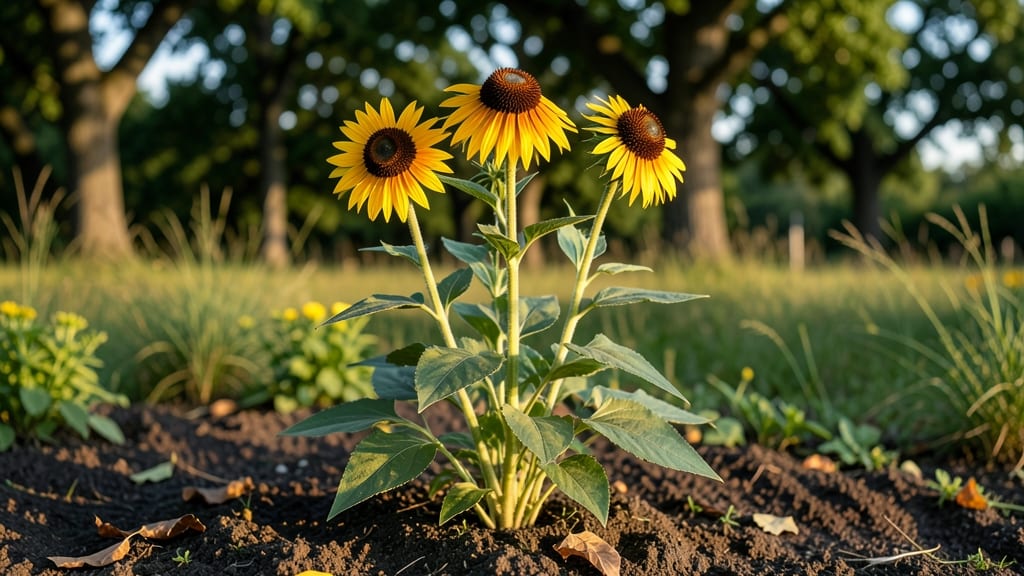
Designing a garden in Minnesota means embracing the cold and turning it into your biggest advantage. ✨ The key isn’t fighting the climate—it’s choosing plants that thrive when others freeze, like coneflowers, Russian sage, and hardy perennials that come back stronger every spring.
Start with the sun: Minnesota’s short growing season demands smart layout. Place sun-loving plants where they’ll get maximum light, and group shade-tolerant varieties near trees or north-facing walls. My own garden’s microclimates—warmer near the house, cooler in the yard—dictate where I tuck in frost-sensitive crops like peppers and tomatoes.
By late summer, you’ll have a garden that stays vibrant even as temperatures drop. The secret is layering plants with different bloom times, so color never fades from June through October.
Native grasses and evergreens add structure, while cold-hardy annuals like pansies keep things lively when most gardens call it quits.
Whether you’re in the Twin Cities or rural northern Minnesota, these layouts adapt to your specific frost dates and soil. The first step? Sketch your space and note where the sun lingers longest—your most productive (and beautiful) spots are waiting there.
📚 In This Guide
- What you need
- Instructions
- Tips and common mistakes
- Wrapping up and next steps
What you need
- ● Soil & Amendments: High-quality topsoil (2–3 cubic yards, depending on garden size)
- ● Compost (1–2 bags or a wheelbarrow load)
- ● Peat moss or coconut coir (for improving drainage, 1–2 bags)
- ● Organic fertilizer (balanced 10-10-10 or slow-release, 1–2 bags)
- ● Plants & Seeds: Cold-hardy perennials (e.g., coneflowers, black-eyed Susans, hostas—Zone 3–4 rated)
- ● Native shrubs (e.g., serviceberry, sumac, or elderberry)
- ● Evergreen ground covers (e.g., creeping thyme, sedum, or wintergreen)
- ● Seeds for annuals (e.g., marigolds, pansies, or snapdragons for late-season color)
- ● Hardware & Structures: Pressure-treated wood or cedar (for raised beds, 4x4 or 2x6 lumber)
- ● Galvanized screws or nails (3-inch deck screws, 1–2 lbs)
- ● Landscape fabric (to suppress weeds, 1 roll)
- ● Mulch (cedar or hardwood, 2–3 cubic feet)
- ● Tools: Shovel & spade (heavy-duty, stainless steel)
- ● Garden trowel (for precision planting)
- ● Pruners (bypass pruners for clean cuts)
- ● Wheelbarrow (for hauling soil and mulch)
- ● Measuring tape & string (for layout)
- ● Garden gloves (waterproof, heavy-duty)
- ● Drip irrigation system (for consistent watering in Minnesota’s dry spells)
- ● Cold frames or hoop tunnels (to extend the growing season)
- ● Decorative stones or gravel (for pathways or borders)
- ● Bird feeders or bat houses (to attract pollinators and deter pests)
- ● Seasonal mulch blanket (straw or leaves for winter protection)
Instructions for designing a cold-hardy Minnesota garden layout
Here’s how to create a resilient garden that thrives through Minnesota’s harsh winters and blooms vibrantly in every season.
🪴 Step 1: Plan Zones Based on Microclimates
Minnesota’s climate varies dramatically—south-facing walls, shaded corners, and windy exposures all create distinct microclimates. Start by mapping your yard with USDA Zone 3-5 plants in mind, but adjust for local conditions. For example, a south-facing wall can support Zone 4 perennials like coneflowers, while a north-facing area may only handle Zone 3 toughs like sedum or Russian sage.
Use a sketch pad to note sun exposure: 6+ hours for sun-lovers, 2-4 hours for part shade, and full shade for woodland natives. I always mark windy spots—these need windbreaks like evergreens or fences to protect tender plants. Real talk: Skipping this step means winter damage or wasted space.
☀️ Step 2: Layer Plants for Seasonal Interest
Layering ensures your garden stays visually dynamic year-round. Start with tall evergreens (6-10 ft) like Norway spruce or Colorado blue spruce for winter structure. Add mid-height shrubs (3-6 ft) such as potentilla or butterfly bush for summer blooms and fall color. Finally, fill the base with low-growing perennials (1-2 ft) like creeping thyme or ajuga for ground cover.
I like to include at least one winter interest plant per layer—think ornamental grasses, mahonia, or winterberry holly. These keep the garden lively even when most plants are dormant. Arrange plants so each layer has 3-5 feet of vertical space between them; this prevents crowding and improves airflow, which is critical in Minnesota’s humid summers.
🌱 Step 3: Select Cold-Hardy, Low-Maintenance Plants
Focus on native or adapted plants that thrive in Zone 3-5 conditions without coddling. Start with perennials like black-eyed Susan, coneflower, and Russian sage—they’re drought-tolerant, deer-resistant, and return year after year. For shrubs, choose serviceberry, sumac, or ninebark; these handle frost, poor soil, and still deliver stunning foliage or berries.
Don’t overlook ground covers like creeping phlox or sedum—they suppress weeds, retain moisture, and add texture. I avoid annuals unless I’m planting them in late May after the last frost; Minnesota’s short growing season is no place for finicky plants. Pro tip: Group plants with similar water needs together to simplify care.
✂️ Step 4: Prepare Soil and Mulch Strategically
Minnesota’s clay-heavy soil drains poorly and compacts easily, so amend it with 2-3 inches of compost mixed into the top 6 inches of soil. For new beds, I till in aged manure or leaf mold to improve structure and fertility. Test your soil’s pH—most natives prefer 6.0-7.0, but blueberries and azaleas need 4.5-5.5.
Apply 3-4 inches of mulch (shredded bark or straw) after planting to insulate roots and retain moisture. In early spring, I top-dress with 1 inch of compost to feed plants without overwhelming them. Mulch also prevents soil heaving—a common issue in freeze-thaw cycles—that can uproot tender perennials.
⏰ Step 5: Plan for Year-Round Care and Adjustments
Minnesota gardens demand seasonal tweaks. In spring, remove winter mulch from early bloomers like crocus or daffodils but leave it around late spring plants like peonies. In summer, water deeply 1-2 times per week (more during heatwaves) and deadhead spent blooms to encourage reblooming. In fall, cut back annuals and tender perennials but leave seed heads and ornamental grasses for winter texture.
Winter prep is key: Wrap young trees with tree guards, cover tender plants with burlap or frost cloth, and prune dormant shrubs in late winter (before buds swell). I also note which plants struggled or thrived each year—this helps refine the layout for the next season. Here’s the thing: A Minnesota garden is a living experiment, and every year teaches you something new.
Tips & tricks for perfect Minnesota garden layouts
Minnesota’s climate demands smart planning—here’s how to create a garden that thrives year-round without the guesswork.
Microclimate Mapping: Don’t just eyeball sun exposure—use a simple app like Sun Surveyor to track sunlight patterns across your yard for 2-4 hours each season. I’ve seen gardens fail when homeowners assumed a spot got more sun than it actually did. Mark your sketch with 6+ hours zones for sun-lovers like coneflowers, 2-4 hours for part-shade plants, and full-shade areas for woodland natives. This precision prevents winter damage and maximizes plant success.
Layering Like a Pro: The 3-5 feet vertical spacing between layers isn’t arbitrary—it’s about airflow and light penetration. I learned this the hard way when my Russian sage got mildew because I crowded it too closely to taller shrubs. Start with your 6-10 ft evergreens as your backbone, then add 3-6 ft shrubs with 18-24 inches of space between them, and finally your 1-2 ft perennials in the front. This creates natural windbreaks and prevents disease.
Soil Science Matters: That 2-3 inches of compost mixed into the top 6 inches of soil isn’t just about nutrients—it’s about breaking up Minnesota’s infamous clay. I’ve seen gardens where homeowners just dumped compost on top without mixing, and the roots couldn’t penetrate. Use a broadfork to loosen the soil first, then work in your amendments. For new beds, aged manure works wonders but take care—fresh manure can burn tender roots.
Winter Prep is Year-Round: The late winter pruning of dormant shrubs before buds swell isn’t just about shaping—it’s about promoting strong new growth. I always prune my serviceberry and ninebark in February while they’re still bare. For extra protection, wrap young trees with tree guards and cover tender perennials with burlap or frost cloth. This simple step saved my peonies from multiple freeze-thaw cycles last winter.
Pro Tips for Garden In Minnesota
- Minnesota’s climate demands smart planning—here’s how to create a garden that thrives year-round without the guesswork.
- Microclimate Mapping: Don’t just eyeball sun exposure—use a simple app like Sun Surveyor to track sunlight patterns across your yard for 2-4 hours each season.
- Layering Like a Pro: The 3-5 feet vertical spacing between layers isn’t arbitrary—it’s about airflow and light penetration.
Frequently asked questions
Got questions about creating a stunning, cold-hardy garden in Minnesota? You’re not alone! Here are answers to the most common queries—from timing tips to plant hacks—so you can garden with confidence all year round.
What are the best cold-hardy plants for Minnesota gardens?
Minnesota’s Zone 3-5 climate calls for resilient plants like coneflowers, black-eyed Susans, Russian sage, and hardy perennials such as coral bells and heuchera. For trees, consider serviceberry, hackberry, or sugar maple. Evergreens like blue spruce or white pine add year-round structure.
When is the ideal time to plant in Minnesota?
For perennials and shrubs, aim for early spring (April–May) or early fall (September–October) when soil is workable but not frozen. Bulbs (like tulips) go in fall (October). Vegetables can start indoors in March and transplant after the last frost (mid-May). Always check your local frost dates!
How do I protect my garden from Minnesota’s harsh winters?
Use mulch (3–4 inches) around perennials to insulate roots. Burlap wraps or tree guards shield young trees from rodents and wind. For tender plants, move pots to a garage or shed or use frost blankets. Evergreens benefit from watering before freeze to prevent drought stress.
What tools are essential for a Minnesota garden?
Stock up on a sturdy shovel (for heavy clay soil), pruners (sharp and sterilized), a wheelbarrow (for snow/soil), and gloves rated for -20°F. A soil thermometer helps time planting, and a hose with a snow-melting attachment makes spring cleanup easier. Don’t forget windbreaks if your yard is exposed!
Can I garden successfully in Minnesota with limited space?
Opt for container gardening (herbs, lettuce, or dwarf fruit trees) or vertical gardens (trellises for peas, cucumbers). Raised beds warm up faster in spring and improve drainage. Choose compact perennials like catmint or dwarf iris, and use season extenders (cold frames or row covers) to grow more in small areas.
How do I keep pests and animals out of my Minnesota garden?
Use physical barriers like chicken wire (for rabbits) or row covers (for insects). Natural repellents such as garlic spray or neem oil deter pests. For deer, plant deer-resistant varieties (e.g., lamium, Russian sage) or install a 8-foot fence. Bird feeders placed away from veggies can lure them away too!
Wrapping up and next steps
Creating a stunning, cold-hardy garden in Minnesota is not only possible—it’s a rewarding journey that brings year-round beauty to your outdoor space! 🌿 From selecting the right perennials and evergreens to designing cozy winter retreats, your garden can thrive even in the chill.
Whether you’re a seasoned gardener or just starting out, take the first step this season—sketch a simple layout, gather your tools, and let your creativity grow.
Ready to transform your yard? Start small, dream big, and watch your Minnesota garden flourish! 🌱