
Companion Plants
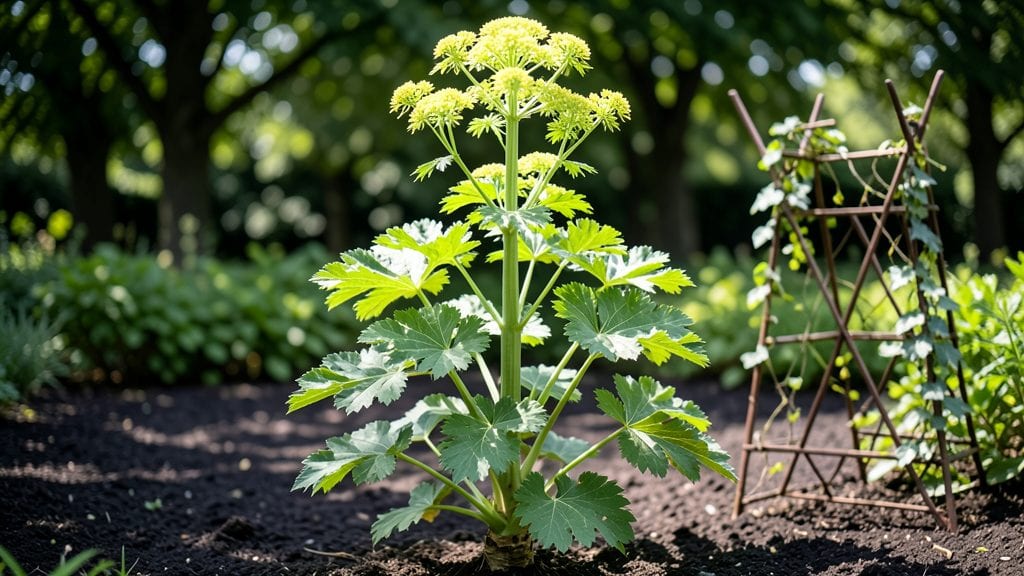
My garden lovage plants are the unsung heroes of my shady border—tall, bold, and impossible to kill. 🌿 I planted them three years ago after reading they thrive where nothing else would, and now they’re the backbone of my herb garden, reaching six feet tall with feathery, celery-like leaves that smell like anise when crushed.
These hardy perennials (zones 5–8) grow equally happy in sun or shade, making them perfect for tricky spots. They spread slowly but steadily, so you’ll need space—think of them as a living fence that also repels pests like carrot flies.
The secret to their success? Rich, well-draining soil and occasional watering once established. No fuss, no drama.
By midsummer, you’ll be harvesting leaves for soups, roots for pickles, and even the flowers for garnishes. The plants stay productive for decades with minimal care, and their deep taproots improve soil structure over time. Once you grow them, you’ll wonder how you ever lived without this hardworking perennial.
Works in cottage gardens, herb spirals, or even as a privacy screen. Here’s how to get started with your own—no green thumb required.
📚 In This Guide
- What you need
- Instructions
- Tips and common mistakes
- Wrapping up and next steps
What you need
- ● Lovage seeds or seedlings: Start with 2–4 seeds (or 1–2 nursery-grown plants) for a small patch. Seeds take 10–14 days to germinate.
- ● Well-draining soil: A mix of garden soil + compost (ratio 3:1) works best. Lovage tolerates clay or sandy soil but hates soggy roots.
- ● Sunlight access: Partial shade to full sun (3–6 hours of sunlight daily). Dappled shade is ideal in hot climates.
- ● Watering can or hose: A gentle spray nozzle helps avoid disturbing seedlings.
- ○ Mulch (optional but recommended): 2–3 inches of straw or wood chips to retain moisture and suppress weeds.
- ● Garden trowel or transplant spade (for digging small holes, ~1 inch deeper than the root ball).
- ● Gloves (to protect hands from prickly stems when thinning seedlings).
- ● Pruners or shears (for harvesting stems or trimming dead foliage).
- ● Measuring tape or ruler (to space plants 18–24 inches apart for airflow).
- ○ Fertilizer (optional): A balanced organic fertilizer (10-10-10) applied once in early spring boosts growth.
- ● 🌡️ Temperature: Lovage thrives in USDA Zones 3–9. Start seeds indoors 6–8 weeks before last frost if your climate is chilly.
- ● ✨ Companion plants: Pair lovage with roses, brassicas, or herbs like dill to deter pests naturally.
- ● 🔥 Patience: Lovage can take 2–3 years to reach full maturity but rewards with years of harvests!
How to plant and grow garden lovage like a Pro
This hardy perennial is easier than you think—just follow these steps for thriving plants.
🌱 Step 1: Choose the Perfect Planting Spot
Lovage thrives in both partial shade and full sun, but it prefers at least 4-6 hours of sunlight daily. I like to plant mine where it gets morning sun and afternoon shade—this keeps the leaves tender without scorching. The key is well-draining soil; lovage hates soggy roots, so avoid low spots where water pools.
Test your soil by squeezing a handful—if it stays clumped, amend with compost or sand to improve drainage. A slightly alkaline soil (pH 6.5-7.5) works best. If your soil is heavy clay, mix in 2-3 inches of organic matter before planting to give those roots room to breathe.
🪴 Step 2: Plant Divided Roots or Seeds at the Right Time
For fastest results, plant divided roots in early spring or fall when temperatures are mild. Dig a hole twice as wide as the root ball but only as deep as the roots themselves—burying too deep stresses the plant. Space plants 2-3 feet apart to give them room to spread.
If starting from seed, sow them ¼ inch deep in early spring after the last frost. Lovage seeds germinate slowly—2-3 weeks—so be patient. Keep the soil evenly moist but not soggy until germination. Once seedlings appear, thin them to 18-24 inches apart to prevent overcrowding.
💧 Step 3: Water Deeply and Mulch for Long-Term Health
Water deeply once a week during the first growing season to encourage strong root growth. You’ll know it’s enough when the top 2 inches of soil feel dry—lovage is drought-tolerant once established but needs consistent moisture when young. Avoid overhead watering; water at the base of the plant to keep leaves dry and prevent fungal issues.
Spread 2-3 inches of mulch (like shredded leaves or straw) around the base to retain moisture and suppress weeds. Mulch also keeps roots cool in summer and insulated in winter. Just keep it a few inches away from the stem to prevent rot.
☀️ Step 4: Fertilize Lightly and Prune for Bushier Growth
Lovage isn’t a heavy feeder, but a light application of balanced fertilizer (10-10-10) in early spring gives it a boost. I skip fertilizer in the second year unless the leaves look pale. Over-fertilizing leads to weak stems and excessive leaf growth, which can flop over.
Cut back dead or yellowing leaves in early spring to encourage new growth. If the plant gets leggy, trim back one-third of the tallest stems in late summer to promote bushier foliage. Harvest leaves sparingly in the first year to avoid stressing the plant.
⏰ Step 5: Overwinter with Minimal Care
Lovage is extremely hardy and survives winters in USDA Zones 3-9 with no special protection. In colder climates, a thick layer of mulch (4-6 inches) insulates the roots. In early spring, remove old mulch and add fresh compost to replenish nutrients.
Divide mature plants every 3-4 years in early spring to prevent overcrowding. Dig up the root ball, separate the sections with a clean knife, and replant immediately. This keeps lovage vigorous and productive for decades.
Tips & tricks for perfect garden lovage plants
Here's what I've learned from years of growing lovage—these little tricks make all the difference for thriving plants.
Soil Test First: Before planting, grab a handful of your soil and squeeze it. If it stays clumped like a brick, you need to improve drainage. I've seen lovage struggle in heavy clay—mix in 2-3 inches of compost or sand to give those roots room to breathe. A simple pH test kit (around $10) confirms that slightly alkaline soil (pH 6.5-7.5) is ideal. This prevents nutrient lockout that can stunt growth.
Timing Secret: The 2-3 week germination period for seeds is longer than most people expect. I recommend planting seeds in biodegradable pots instead of directly in the ground—this makes transplanting easier once they've sprouted. Keep the soil consistently moist during this time, but avoid soggy conditions which can cause seed rot. Patience pays off with stronger seedlings.
Mulch Like a Pro: That 2-3 inch layer of mulch in Step 3 isn't just for looks—it's a game changer. I use straw because it breaks down slowly and adds organic matter as it decomposes. Keep it 2-3 inches away from the stem to prevent rot, but spread it generously around the base. In summer, this keeps roots cool, and in winter, it insulates against temperature swings. Don't skip this step in hot climates!
Pruning Strategy: When you trim back one-third of the tallest stems in late summer (Step 4), focus on the leggy growth that's shading the center. This encourages bushier growth and prevents the plant from becoming top-heavy. I always use clean, sharp pruners to avoid damaging stems. Harvest leaves sparingly in the first year—think of it as letting the plant establish its roots before asking for too much.
Pro Tips for Garden Lovage Plants
- Here's what I've learned from years of growing lovage—these little tricks make all the difference for thriving plants.
- Soil Test First: Before planting, grab a handful of your soil and squeeze it.
- Timing Secret: The 2-3 week germination period for seeds is longer than most people expect.
Frequently asked questions
Got questions about growing garden lovage?
You’re not alone—this unique perennial is full of surprises! Here are answers to the most common queries to help you cultivate thriving plants with ease.
Can garden lovage grow in full shade?
Yes! Lovage is one of the few herbs that thrives in partial to full shade—perfect for shady garden spots. While it tolerates morning sun, too much direct afternoon heat can scorch its broad leaves. Plant it near trees or under dense canopies for ideal conditions.
How long does it take for garden lovage to mature?
Patience pays off! From seed, lovage may take 2–3 years to reach full maturity (3–5 feet tall). If you start with transplants, you’ll see faster growth—expect edible stems and leaves within 12–18 months. Harvest lightly to encourage bushier growth.
What’s the best way to overwinter garden lovage?
Lovage is hardy to USDA zones 4–9, but young plants benefit from winter protection. Mulch heavily with straw or leaves to insulate roots. In colder zones, cut back foliage by half in late fall to prevent rot. Come spring, new growth will emerge vigorously!
Are there any pests or diseases I should watch for?
Lovage is generally pest-resistant, but keep an eye out for aphids or leaf spot fungus in damp conditions. Improve airflow by spacing plants 2–3 feet apart. For aphids, blast them off with water or use neem oil. Avoid overwatering to prevent fungal issues.
Can I grow garden lovage in containers?
Lovage adapts well to large containers (18+ inches deep) with drainage holes. Use a mix of potting soil and compost, and place it in a spot with morning sun. Containers dry out faster, so water consistently. Just beware—it may outgrow small pots quickly!
Pro Tip:
Need a quick fix? Try celery or chervil as temporary shade-loving alternatives while your lovage establishes. Both share similar culinary uses but grow faster!
Wrapping up and next steps
Growing garden lovage is a rewarding experience—this hardy, versatile perennial brings beauty, flavor, and practicality to your garden with minimal fuss.
Whether you’re drawn to its lush foliage, culinary potential, or companion plant benefits, lovage thrives in almost any condition, making it a must-have for both novice and seasoned gardeners. 🌱
Ready to plant your own? Start by sourcing seeds or young plants, then choose a sunny or partially shaded spot in your garden. With just a little care, you’ll soon enjoy a thriving lovage patch that rewards you for years to come!