
Tools
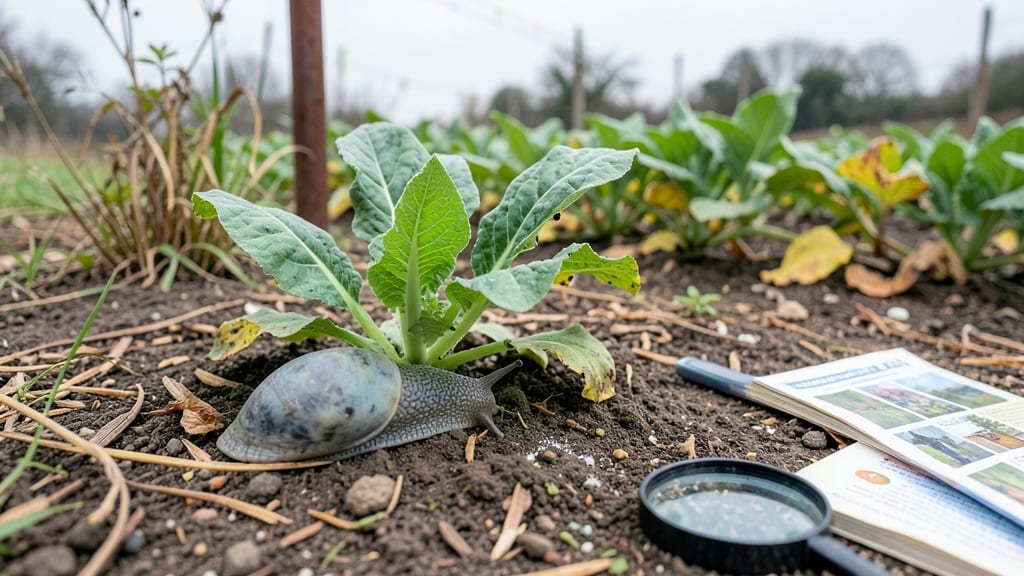
Identifying garden pests doesn't have to be a guessing game—spotting them early saves your plants and your sanity. 🌱 I’ve spent years watching tiny invaders turn lush leaves into skeleton skeletons, and the key to stopping them starts with knowing exactly what you’re dealing with.
Aphids, slugs, squash bugs—they all leave different clues, and once you learn their telltale signs, you’ll catch them before they wreck your harvest.
The worst part? Most gardeners ignore the first signs because they don’t recognize the damage. Chewed leaves, sticky residue, or wilting stems aren’t just random bad luck—they’re pest calling cards.
This guide cuts through the confusion with clear symptoms, regional examples (like Japanese beetles in the Northeast or tomato hornworms in the South), and quick fixes that actually work without harsh chemicals.
You’ll walk away knowing how to tell a harmless ladybug from a destructive squash vine borer, how to stop slug trails before they reach your lettuce, and when to pull out the big guns (like neem oil) versus simple fixes (like handpicking).
The goal? A garden where pests are a minor annoyance, not a full-blown crisis.
No more wasted time or ruined crops—just a foolproof system to spot, stop, and prevent the most common troublemakers. Let’s get your garden back on track.
Root Causes of Garden Invaders
Understanding why pests target your garden is the first step to outsmarting them. 🌱🐛 Most issues stem from a mix of environmental factors, plant health, and human habits. Below, we break down the key reasons pests show up uninvited—and how they exploit your green space.
Pests thrive when conditions align with their survival needs. Here’s how weather and seasons play a role:
- Warm, Humid Conditions 🌞💧 Many insects, like aphids, slugs, and fungal gnats, multiply rapidly in heat and moisture. High humidity creates the perfect breeding ground for soft-bodied pests, while warm soil speeds up larval development (think squash bugs or cutworms).
- Mild Winters ❄️🐛 Freezing temperatures historically acted as a natural pest control, but milder winters mean fewer die-offs. Overwintering pests (e.g., Japanese beetles, cabbage worms) survive longer, emerging earlier and in larger numbers.
- Drought Stress 💦🚫 Drought weakens plants, making them more susceptible to attacks. Stressed foliage produces less sap (a natural pest deterrent), and weakened roots attract burrowing pests like grubs or vine weevils.
Actionable Tip: 💡 Monitor local weather patterns and adjust planting times or use row covers during peak pest seasons.
A struggling plant is like an open invitation for pests. Here’s how poor health attracts trouble:
- Over-Fertilization 🌿💥 Excess nitrogen promotes lush, tender growth—delicious to chewing insects like cabbage loopers or tomato hornworms. It also attracts sap-suckers (e.g., whiteflies) by creating sticky, nutrient-rich leaves.
- Waterlogging or Underwatering 💧⚖️ - Too much water: Root rot and fungal diseases (like powdery mildew) weaken plants, making them easy targets for secondary pests such as spider mites or thrips. - Too little water: Drought-stressed plants produce less chlorophyll, reducing their ability to repel pests.
Some pests, like aphids, are drawn to plants with high sugar content—a byproduct of stress.
- Monoculture Planting 🌱🔄 Planting the same species in large blocks (e.g., a massive zucchini patch) creates a pest buffet. Specialized insects, like cucumber beetles or Colorado potato beetles, thrive in uniform crops with no natural predators around.
Pro Tip: ✨ Rotate crops annually and interplant with pest-repelling companions (e.g., marigolds with tomatoes to deter nematodes).
Even well-meaning gardening choices can attract pests. Here’s how:
- Lack of Sanitation 🧹🚫 Debris, fallen fruit, and old plant matter harbor eggs, larvae, and adult pests.
For example: - Slug eggs overwinter in thick mulch or leaf litter. - Carpenter ants nest in rotting wood or compost piles. - Weeds (like lamb’s quarters) host aphids that later migrate to your veggies.
- Overuse of Broad-Spectrum Pesticides 💊🐝 Harsh chemicals kill beneficial insects (ladybugs, lacewings, parasitic wasps) that naturally control pests. This creates a vacuum where pests like aphids or spider mites explode in numbers.
- Improper Tool Sterilization 🔪🦠 Contaminated pruners or shovels can spread diseases (e.g., bacterial wilt) or pest eggs from infected plants to healthy ones.
Quick Fix: 🔥 Clean tools with rubbing alcohol, remove debris promptly, and opt for targeted pest controls (e.g., neem oil for aphids instead of systemic insecticides).
Pests flourish when their predators or competitors are missing. Here’s how human activity disrupts nature’s checks and balances:
- Loss of Beneficial Insects 🐝🛑 Habitat destruction (e.g., removing wildflower meadows) reduces pollinators and predators like:
- Ground beetles (eat cutworms and slugs).
- Hoverflies (larvae devour aphids).
- Spiders (control caterpillars and beetles).
- Invasive Species Outcompeting Natives 🌍🐍 Non-native pests (e.g., kudzu bugs, Asian longhorned beetles) have no natural predators in your region. They outcompete local species, creating unchecked populations.
- Compacted or Poor Soil 🏗️🌱 Heavy foot traffic or machinery compacts soil, reducing microbial activity and earthworm populations. Healthy soil supports beneficial nematodes and fungi that suppress pests like grubs or root maggots.
Eco-Friendly Hack: 🌡️ Plant native wildflowers to attract pollinators and predators, and avoid tilling to preserve soil structure.
Key Takeaway: Most pest problems stem from opportunity + stress. By addressing climate, plant health, garden hygiene, and ecosystem balance, you can starve out pests before they become a full-blown infestation. 🚀
Quick Fixes for Garden Pests
Once you’ve identified the troublemakers in your garden, it’s time to act! The good news? Most pest problems can be tackled with simple, effective strategies—without resorting to harsh chemicals.
Below, we’ve mapped common garden pests to their best solutions, along with prevention tips to keep them from crashing your green party again.
Fix: These sap-sucking pests multiply fast, but you can outsmart them!
- 💦 Blast them off with a strong stream of water (early morning works best).
- 🍋 Spray soapy water (1 tsp mild dish soap + 1 quart water) directly on clusters.
- 🐞 Introduce ladybugs—their natural predators will clean them up in days.
- 🌿 Prune infected plants to remove heavy infestations and improve airflow.
Prevention:
- 🌱 Plant companion flowers like marigolds or nasturtiums to repel aphids.
- 🌡️ Monitor humidity—dry conditions discourage them.
Fix: These green caterpillars chew through brassicas (kale, cabbage, broccoli) like they’re at an all-you-can-eat buffet.
- 🧹 Handpick them (especially in the morning when they’re sluggish) and drop them in soapy water.
- 🌿 Use row covers to block egg-laying moths before they hatch.
- 🍅 Spray Bacillus thuringiensis (Bt)—a natural bacteria that kills caterpillars without harming other insects.
- 🔪 Remove egg masses from undersides of leaves.
Prevention:
- 🌱 Rotate crops to starve their life cycle.
- 🌿 Plant dill or mint nearby—their scent confuses the moths.
Fix: These striped monsters can devour a tomato plant in 24 hours. Act fast!
- 👨🍳 Handpick them (they’re huge and easy to spot—just squish or dunk).
- 🐛 Encourage parasitic wasps (they lay eggs inside hornworms—nature’s revenge!).
- 🍋 Neem oil spray (mix 2 tbsp neem oil + 1 tsp mild soap + 1 quart water) to disrupt their feeding.
Prevention:
- 🌿 Plant basil near tomatoes—its scent deters hornworms.
- 🌱 Interplant with carrots to attract hornworm predators like birds.
Fix: These nocturnal nibblers leave telltale slime trails and ragged holes in leaves.
- 🍺 Beer traps (bury a container filled with beer—slugs crawl in and drown).
- 🧶 Copper tape barriers (creates a mild electric shock they avoid).
- 🌿 Diatomaceous earth (food-grade only!)—sprinkle around plants to dehydrate them.
- 🥚 Crushed eggshells or gravel disrupts their movement.
Prevention:
- 🌧️ Water in the morning so slugs hide during the day.
- 🌿 Remove hiding spots (boards, dense mulch) where they shelter.
Fix: Ants don’t eat plants, but they farm aphids for honeydew—leading to bigger problems.
- 🍳 Borax bait stations (mix borax + sugar + water) to lure and eliminate colonies.
- 🌿 Vinegar spray (1:1 ratio) on trails to disrupt their scent markers.
- 🔥 Boiling water poured into mounds (for outdoor colonies).
Prevention:
- 🌱 Keep plants healthy—ants target stressed or aphid-infested plants.
- 🌿 Seal entry points (cracks in pots, wood mulch piles).
Fix: These metallic invaders skeletonize leaves in minutes.
- 🧹 Handpick and drop into soapy water (they’re slow fliers).
- 🍋 Neem oil or pyrethrin spray (reapply after rain).
- 🌿 Plant trap crops like roses or grapes—they’ll go for those first.
Prevention:
- 🌱 Use row covers early in the season to block adults.
- 🌿 Avoid over-fertilizing—beetles love lush, nitrogen-rich plants.
- 🌱 Rotate crops yearly to disrupt pest life cycles.
- 🌿 Encourage beneficial insects (ladybugs, lacewings, praying mantises) with native plants.
- 🌡️ Monitor regularly—catch problems early when they’re easiest to fix.
- 🧹 Clean up debris in fall to remove overwintering pests.
Remember: The key to a pest-free garden is consistency. Combine a few of these tactics, and you’ll send unwanted visitors packing—without sacrificing your plants (or your sanity)! 🌱🚫🐛
Frequently asked questions
How do I tell the difference between a Japanese beetle and a green June beetle?
Japanese beetles have copper-colored wings and metallic green heads, while green June beetles are entirely solid green with no wing markings. Check their size too—Japanese beetles are smaller (½ inch) and more active during the day, whereas June beetles are larger (¾ inch) and fly at dusk.
What’s the fastest way to confirm if my plants have spider mites?
Look on the undersides of leaves for tiny webs or use a magnifying glass to spot the reddish-brown mites (they’re smaller than a pinhead). Tap leaves over white paper—if you see speckled movement, it’s mites. Heavy infestations cause yellow stippling on leaves.
Can I use the same treatment for both slugs and snails?
No—slugs and snails respond differently. Slugs prefer damp, shaded areas and are active at night, while snails leave slime trails and often hide in dry spots during the day. Use beer traps for slugs and copper barriers for snails, as they react to metal differently.
Why do I keep seeing pests even after treating them?
Pests often return because treatments target only visible adults, not eggs or larvae. For example, spraying aphids may kill adults but leave eggs untouched. Rotate methods (e.g., neem oil + handpicking + companion plants) and check soil for hidden larvae or pupae.
Are there any pests that actually help my garden?
Ladybugs, lacewings, and ground beetles are natural pest predators. Even some "pests" like honeybees pollinate plants. Focus on protecting beneficial insects by avoiding broad-spectrum pesticides and planting native flowers—they’ll handle the bad guys for you!