Pests
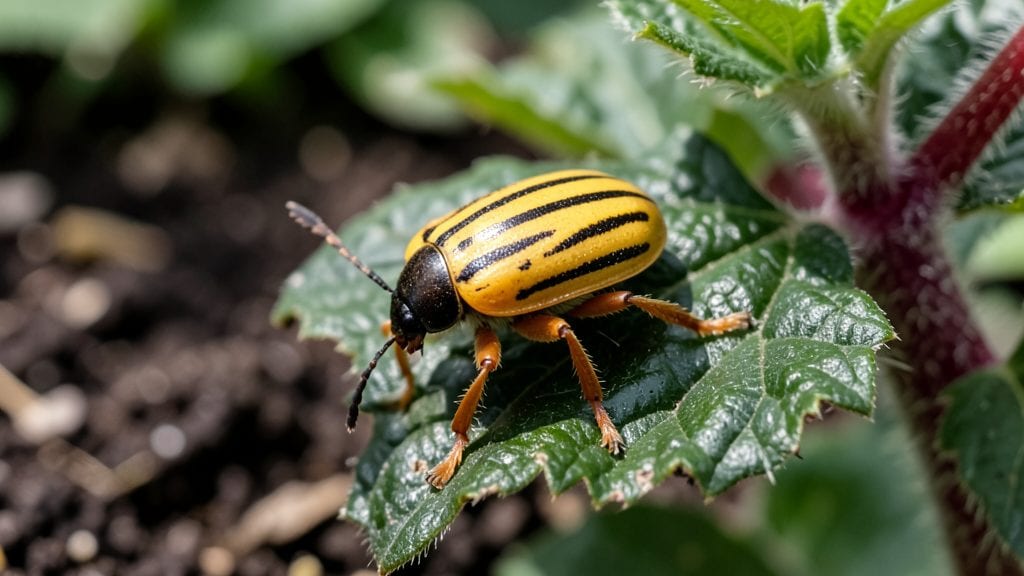
Those garden pests—beetles like Japanese, Colorado potato, and flea varieties—can strip your plants bare in days. I’ve battled them for years, and what I’ve learned is that the best defenses aren’t sprays—they’re smart barriers and a little patience.
The key is acting before they strip your plants bare, using what’s already in your yard or a few simple supplies.
Most beetles target specific plants—Japanese beetles love roses and grapes, while Colorado potato beetles zero in on nightshades. Flea beetles? They’re the tiny terrorists that make Swiss cheese out of young seedlings. The damage isn’t just unsightly; it weakens plants, making them vulnerable to disease.
But here’s the good news: natural barriers like row covers, neem oil, and even a few well-placed plants can cut infestations by 90% without harming your garden’s ecosystem.
By setting up these defenses early, you’ll watch your plants thrive while beetles get deterred—or worse, move on to someone else’s garden. Think physical shields (like fine mesh) for seedlings, repellent plants (like marigolds or catnip) to confuse them, and targeted sprays only when absolutely necessary.
The goal isn’t to eradicate them—it’s to outsmart them before they outsmart you.
This works for vegetable gardens, flower beds, and even container plants. The secret? Consistency. A little effort now saves you from a full-blown beetle war later. Let’s get your garden back—and keep those pests guessing.
Root Causes Of Beetle Infestations
Beetles don’t just wander into your garden by accident—they’re drawn in by specific conditions that make your yard an all-you-can-eat buffet. Understanding these triggers is the first step to outsmarting them.
Below, we break down the science behind why beetles invade, so you can address the real issues—not just the symptoms.
Beetles, especially Japanese beetles and colorado potato beetles, thrive in gardens with dense, unmanaged foliage. Here’s why:
- Shelter & Moisture: Tall weeds, leaf litter, and thick ground cover provide perfect hiding spots and retain moisture—ideal for beetle larvae and adult survival. 🌿💧 - Food Sources: Many beetles target stressed or overripe plants.
For example, root weevils prefer gardens with weak, nutrient-depleted soil where plants are already struggling. - Breeding Grounds: Decaying organic matter (like compost piles or fallen fruit) becomes a nursery for beetle eggs and larvae. A messy garden = a beetle playground.
Actionable Fix: Regularly prune dead leaves, thin out overgrown plants, and remove fallen fruit or debris. Mulch sparingly—too much creates a cozy beetle habitat.
Not all plants are beetle magnets, but some are irresistible to specific species. Here’s the science:
- Chemical Lures: Beetles like rose chafer beetles are drawn to roses, grapes, and linden trees because these plants emit volatile organic compounds (VOCs) that signal food. 🌹🍇
- Nitrogen-Rich Soil: Fast-growing, leafy plants (like corn, potatoes, or beans) attract colorado potato beetles and Mexican bean beetles because their high nitrogen content makes them easy prey.
- Fruit Trees & Berries: Japanese beetles target apples, raspberries, and grapes—their sweet, ripe fruit is a protein and sugar feast.
Actionable Fix: Replace high-risk plants with beetle-resistant varieties (e.g., nectarine over peach for Japanese beetles) or use traps or barriers (like floating row covers) for vulnerable crops.
Beetles are temperature-sensitive, and your garden’s microclimate can turn it into a beetle hotspot.
- Warmth & Humidity: Most beetles emerge in late spring to early summer when soil temps hit 60–70°F (15–21°C). 🌡️🔥
- Drought Stress: Surprisingly, drought-stressed plants can attract beetles because they’re easier to chew. Overwatering also creates soggy soil, perfect for grubs and root weevils.
- Nighttime Activity: Many beetles (like flea beetles) are nocturnal and seek out gardens with minimal disturbance—think: quiet, undisturbed corners.
Actionable Fix:
- Monitor soil moisture—aim for consistent hydration (not soggy or bone-dry).
- Use mulch strategically to regulate temperature (e.g., straw for warmth, gravel for dryness).
- Install outdoor lighting on timers to deter night-active beetles.
Beetles don’t face many enemies in a chemical-free garden. Here’s the ecological breakdown:
- Birds & Bats: Many beetles (like Japanese beetles) are on the menu for purple martins, starlings, and bats.
But if your garden lacks perches or water sources, these predators won’t stick around. 🐦🦇 - Ground Beetles & Spiders: These beneficial insects hunt beetle larvae—but they need diverse habitats (like leaf litter, rocks, or log piles) to thrive. - Parasitic Wasps: Tiny tachinid flies lay eggs on beetle larvae, killing them from within.
Without enough host beetles, their populations crash.
Actionable Fix:
- Install birdhouses and bat boxes near beetle-prone areas.
- Avoid broad-spectrum pesticides—they kill both pests and their natural enemies.
- Add predator-friendly plants like dill, fennel, or yarrow to attract ground beetles.
Sometimes, we’re the problem. Unintentional gardening habits can turn your yard into a beetle buffet:
- Compost Piles: While composting is great, uncovered piles become breeding grounds for dung beetles and soldier beetles. 🪰💩 - Stored Firewood: Bark beetles hide in untreated wood—stacking it near your garden gives them a free ride. - Pet Waste: Dung beetles and chafer beetles are drawn to dog/cat waste.
If you don’t clean up, they’ll multiply. - Mowing Too Short: Grubs (larvae of June bugs) thrive in short, compacted grass, making lawns a high-risk zone.
Actionable Fix:
- Cover compost with a lid or tarp to block beetle access.
- Store firewood 20+ feet from your garden and elevate it off the ground.
- Pick up pet waste daily and consider enzyme cleaners to break down odors.
- Adjust mower height to 3–4 inches to disrupt grubs’ lifecycle.
Don’t underestimate the role of global warming—it’s expanding beetle territories faster than you’d think.
- Warmer Winters: Beetles like emerald ash borers now survive in northern states where they’d once freeze. ❄️→🔥 - Longer Growing Seasons: More time = more beetle generations per year.
A Japanese beetle that once had one generation now might have two or three. - Mild Springs: Early blooms (like cherry blossoms) trick beetles into emerging weeks earlier, catching gardeners off guard.
Actionable Fix:
- Plant native, resilient species that beetles haven’t adapted to yet.
- Monitor local pest reports (via Cooperative Extension offices) for early warnings.
- Rotate crops annually to disrupt beetle life cycles.
Beat Back Beetles Naturally
Beetles may seem like tiny invaders, but with the right strategies, you can outsmart them without harsh chemicals. Below, we’ve mapped the most common beetle pests to their causes and the most effective, eco-friendly fixes—plus tips to keep them from crashing your garden party again.
Cause: These metallic green-and-gold beetles chew through roses, grapes, and beans, leaving skeletonized foliage behind.
How to Stop Them: 🍳 Handpick & Drown 👨🍳
- Fill a bucket with soapy water and shake beetles off plants into it (morning is best—they’re sluggish then).
- Pro Tip: 💡 Use a drop cloth under plants to collect them easily.
🌡️ Traps (Use with Caution!)
- Commercial traps with pheromones lure beetles away—but place them far from your garden to avoid attracting more.
- DIY Trap: Bury a can filled with beer or fermented fruit near affected plants (beetles drown in it).
✨ Neem Oil Spray
- Mix 2 tbsp neem oil + 1 tsp dish soap in 1 quart of water. Spray foliage in the evening to avoid harming bees.
Cause: These striped orange-and-black beetles target potatoes, tomatoes, peppers, and eggplants, stripping plants bare in weeks.
How to Stop Them: 🔪 Squash Eggs & Larvae
- Check undersides of leaves for tiny orange eggs (they hatch into voracious larvae). Scrape them into soapy water daily.
- Pro Tip: 🌡️ Use a handheld vacuum (like a shop vac) to suck up larvae—no chemicals needed!
🥗 Row Covers & Mulch
- Cover young plants with floating row fabric until they flower (beetles can’t lay eggs through it).
- Mulch with straw to deter adults from laying eggs in soil.
🎯 Beneficial Nematodes
- Apply Heterorhabditis bacteriophora nematodes to soil (they kill larvae). Water deeply after application.
Cause: Carpenter ants’ beetle larvae and fungus-growing beetles (like ambrosia beetles) tunnel into wood or attack plant roots, weakening structures and crops.
How to Stop Them: 🔥 Remove Infested Wood
- Burn or chip damaged wood (don’t compost—larvae survive).
- Pro Tip: 💡 Treat stumps with borax or diatomaceous earth to kill hidden larvae.
🌿 Healthy Soil = Fewer Roots
- Improve drainage and aerate soil to reduce beetle-friendly conditions.
- Plant marigolds or garlic nearby—their scent repels root-feeding beetles.
⏰ Monitor & Act Fast
- Check for sawdust-like frass (beetle poop) near wood or wilting plants. Act within 48 hours to prevent spread.
An ounce of prevention beats a pound of pest control. Try these low-effort habits to make your garden less inviting:
- 🌱 Interplant with repellents: Basil, mint, tansy, and catnip confuse beetles’ scent trails.
- 🌡️ Water in the morning: Beetles hate damp foliage—early watering helps leaves dry faster.
- 🔪 Prune regularly: Remove chewed leaves and debris where beetles hide.
- ✨ Encourage predators: Ladybugs, lacewings, and birds eat beetle eggs/larvae. Add a birdbath or native plant buffer.
With these targeted fixes, your garden can go from beetle buffet to beetle-free zone in no time. And the best part? Your veggies—and your sanity—will thank you.
Frequently asked questions
What are the most destructive beetles in my garden?
The worst offenders are Japanese beetles (skeletonize leaves), Colorado potato beetles (devour nightshades), and flea beetles (chew tiny holes in seedlings). These three cause 80% of beetle damage—identify them early to stop outbreaks before they spread.
Can I use beer traps for beetles?
Yes, but only for Japanese beetles and chafer beetles. Bury a can filled with beer or fermented fruit—beetles drown in it. Warning: Place traps far from your garden (they attract more beetles if too close). Empty weekly to prevent odors.
How do I know if beetle damage is permanent?
Most beetle damage isn’t permanent if caught early. Japanese beetles and flea beetles chew leaves but rarely kill plants. However, Colorado potato beetles can destroy crops in 2 weeks if left unchecked. Prune damaged foliage and use row covers to prevent further harm.
Are there beetles that actually help my garden?
Ground beetles eat slugs and beetle larvae, while ladybugs and lacewings hunt aphids and soft-bodied pests. To attract them, add dill, fennel, or yarrow and avoid pesticides—they’re your garden’s natural pest police.
When should I use neem oil vs. diatomaceous earth?
Use neem oil for foliar pests (Japanese beetles, flea beetles)—spray on leaves in the evening. For soil-dwelling larvae (grubs, root weevils), apply diatomaceous earth around plant bases. Reapply after rain—both lose effectiveness when wet.