
Tools
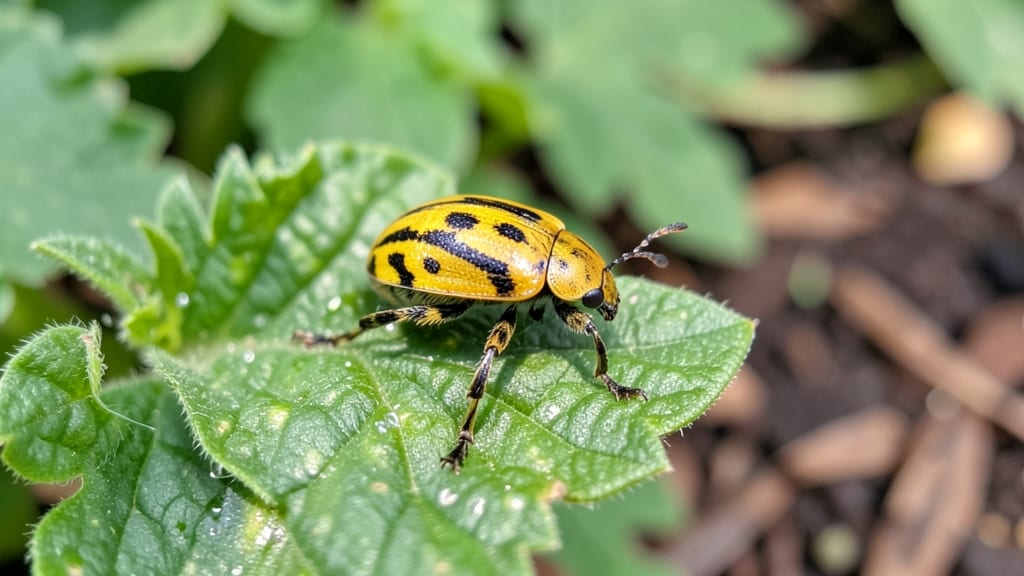
My garden pests and bugs problem finally got solved when I stopped fighting them and started outsmarting them. The key isn't spraying everything in sight—it's creating barriers that pests can't cross without effort.
I learned this after losing an entire row of lettuce to slugs one summer, and now my plants stay protected without harsh chemicals.
Natural barriers work because they disrupt pests' patterns without harming your plants or the ecosystem. Think crushed eggshells around tomato plants to deter slugs, or marigolds planted near vegetables to confuse aphids.
These simple tricks don't require fancy tools—just observation and a little strategy. The best part? They work year after year with minimal maintenance.
What you'll end up with is a garden where pests think twice before landing. Your tomatoes stay blemish-free, your roses bloom without chewed leaves, and you avoid the guilt of chemical sprays. The results are visible within weeks, and the peace of mind lasts all season.
These methods adapt to any garden size, from small containers to full backyard plots. Whether you're battling beetles, aphids, or slugs, the same principles apply—just swap the barrier for the pest you're dealing with. Let's get your garden back under your control, naturally.
Root Causes Of Garden Invaders
Understanding why pests and bugs invade your garden starts with recognizing the fundamental triggers that make your space an all-you-can-eat buffet for them. 🍽️ These intruders don’t just wander in randomly—they’re drawn by specific conditions that signal safety, food, and shelter.
Let’s break down the science behind their behavior so you can address the real issues.
Pests thrive where food is plentiful, and your garden might be an accidental smorgasbord. Many bugs, like aphids, caterpillars, and slugs, are attracted to soft, nutrient-rich plants that are easy to munch on. Here’s why this happens:
- Lush, Fast-Growing Plants: Gardens with dense foliage or overwatered plants provide ample hiding spots and easy access to tender leaves.
For example, tomatoes, cabbage, and roses are magnetically appealing to pests because they’re packed with sugars and proteins. - Decaying Matter: Fallen fruits, rotting vegetables, or compost piles create a protein and sugar feast for insects like fruit flies, maggots, and beetles.
Even a single overripe apple left on the ground can attract swarms. - Weak or Stressed Plants: Plants under stress (due to drought, poor soil, or disease) often produce higher levels of sugars in their leaves, making them more attractive to pests like aphids and spider mites.
Actionable Fix: Rotate crops, remove fallen debris promptly, and ensure plants are healthy with proper watering and fertilization. 🌱
A balanced garden ecosystem naturally regulates pest populations through predatory insects, birds, and beneficial microbes. When these predators are missing, pests multiply unchecked. Here’s why their absence creates problems:
- Monoculture Planting: Gardens with only one type of plant (like a single row of roses) offer no diversity for predators.
For instance, ladybugs and lacewings (which eat aphids) need a variety of flowers and plants to thrive. - Pesticide Overuse: Harsh chemical pesticides don’t just kill pests—they also eliminate their natural enemies, like bees, spiders, and ground beetles.
This disrupts the garden’s food chain, leading to pest explosions when chemicals wear off. - Habitat Loss: Removing brush piles, leaf litter, or untidy corners deprives predators of hiding spots and breeding grounds.
For example, praying mantises and ground beetles (which eat slugs and grubs) need shelter to survive.
Actionable Fix: Plant companion plants (like marigolds or basil) to attract predators, and avoid broad-spectrum pesticides. 🐞
Pests need water and shelter to survive, and your garden might be offering both in spades. Here’s how excess moisture and hiding spots become pest magnets:
- Overwatering or Poor Drainage: Slugs, snails, and fungus gnats love damp conditions. A garden with soggy soil or standing water (like in saucers under pots) becomes a breeding ground for these pests.
Even mulch that’s too thick can trap moisture, attracting soil-dwelling insects. - Dense, Untended Areas: Weeds, thick mulch layers, and unpruned shrubs create dark, humid microclimates perfect for pests like earwigs, cutworms, and even rodents.
These areas also provide egg-laying sites for flies and beetles. - Wood and Debris Piles: Stacks of firewood, old boards, or leaf litter offer shelter and nesting spots for pests like stink bugs, boxelder bugs, and even mice.
These pests seek refuge in dry, hidden places during the day.
Actionable Fix: Improve drainage, remove excess mulch, and keep the garden tidy by clearing debris. 🧹
Pests don’t invade randomly—they follow seasonal cues and environmental changes. Understanding these patterns helps you predict and prevent outbreaks:
- Warm Weather: Many pests, like Japanese beetles, tomato hornworms, and squash bugs, are cold-blooded and become active when temperatures rise above 60°F (15°C).
Warmer winters also allow pests to survive longer, leading to bigger populations the next season. - Drought Stress: While overwatering attracts some pests, drought-stressed plants can also become targets.
Weakened plants produce more sugars in their leaves, luring in aphids and spider mites as they search for easy meals. - Wind and Rain Patterns: Heavy rains can wash away natural predators (like spiders and birds) while also creating muddy conditions that slugs and cutworms adore.
Wind can spread pest eggs and larvae from neighboring gardens.
Actionable Fix: Monitor weather patterns, use row covers in early spring, and water deeply but less frequently to avoid stressing plants. 🌦️
Pro Tip: 💡 The key to long-term pest control is breaking the cycle—remove food sources, restore predator habitats, and eliminate hiding spots. Start with one or two of these fixes, and you’ll see a noticeable difference in pest pressure!
Practical fixes for common garden invaders
Unwanted critters in your garden can feel like a losing battle, but with the right strategies, you can reclaim your space—naturally and effectively. Below, we’ve mapped out targeted solutions for the most common pests, from slugs to aphids, along with preventive tips to keep them away for good.
Cause: These slimy pests thrive in damp, shaded areas, leaving behind telltale slime trails and chewed leaves. Fix:
- 🔥 Beer Traps: Bury a shallow container filled with beer (yeast attracts them). They’ll crawl in and drown—no chemicals needed.
- 🍳 Copper Barriers: Wrap copper tape around raised beds or pots. The mild electric shock slugs get from touching it deters them.
- 👨🍳 Eggshell Collars: Crush eggshells into a ring around plants. The jagged edges irritate their soft bodies, keeping them out.
Prevention Tips: ✔ Remove hiding spots like thick mulch or debris. ✔ Water in the morning to reduce humidity at night (their prime time). ✔ Encourage predators like ground beetles or ducks.
Cause: These tiny sap-suckers cluster on new growth, weakening plants and spreading viruses. Fix:
- 🥘 Soap Spray: Mix 1 tbsp mild dish soap with 1 quart water in a spray bottle. Blast them off—aphids hate soap!
- 🔪 Neem Oil: Spray a diluted neem oil solution (1 tbsp oil + 1 tsp mild soap per quart of water) to disrupt their life cycle.
- 🌿 Ladybugs & Lacewings: Release or attract these natural predators by planting dill, fennel, or marigolds.
Prevention Tips: ✔ Inspect new plants before bringing them indoors. ✔ Prune regularly to remove infested growth. ✔ Use reflective mulch (like aluminum foil) to disorient them.
Cause: These metallic-green beetles skeletonize leaves overnight, leaving your plants looking ragged. Fix:
- ⏰ Handpick at dawn when they’re sluggish. Drop them into soapy water.
- 🍎 Trap with Grass: Plant Japanese beetle traps (or DIY with grass clippings in a bucket of soapy water).
- 🌱 Avoid attractants: Skip roses, grapes, and linden trees—their favorites.
Prevention Tips: ✔ Apply kaolin clay (like Surround WP) as a physical barrier. ✔ Plant repellents like garlic, catnip, or tansy. ✔ Mulch with wood chips to deter their grubs from hatching.
Cause: These green caterpillars devour brassicas (kale, cabbage, broccoli) and hide under leaves. Fix:
- 🛡️ Row Covers: Use lightweight fabric to block adults from laying eggs.
- 💡 Bacillus Thuriengensis (BT): A natural bacteria that kills caterpillars without harming other bugs. Mix with water and spray.
- 🔪 Handpick early before they grow too large.
Prevention Tips: ✔ Rotate crops yearly to disrupt their life cycle. ✔ Plant mustard or radishes as trap crops. ✔ Encourage parasitic wasps (they lay eggs inside cabbage worms).
Cause: Ants don’t eat plants but farm aphids for honeydew, protecting them in exchange. Fix: - 🍫 Borax Bait: Mix 1 part borax with 3 parts sugar and water.
Place near trails—they’ll carry it back to the colony. - 🧼 Vinegar Spray: Spray a 50/50 vinegar-water mix on trails to disrupt their scent. - 🌿 Citrus Peels: Scatter around plants—they hate the smell.
Prevention Tips: ✔ Seal entry points (cracks in walls, woodpiles). ✔ Keep food sealed—ants are drawn to pet food and fallen fruit. ✔ Plant mint or cloves near the garden’s edge.
Cause: These larger pests chew bark, young shoots, and even established plants when food is scarce. Fix:
- 🛡️ Fencing: Use 8-foot tall fencing for deer or chicken wire buried 6 inches deep for rabbits.
- 🌿 Spray-on Repellents: Mix rotten eggs, hot pepper wax, or commercial deer repellent (reapply after rain).
- 🌱 Confusing Plants: Deer dislike lavender, rosemary, and alliums—plant them as borders.
Prevention Tips: ✔ Remove brush and tall grass where they hide. ✔ Use motion-activated sprinklers to startle them. ✔ Plant sacrificial crops (like lettuce) far from prized plants.
Rotate your methods—pests adapt! Combine physical barriers, natural predators, and cultural practices for the best defense. A healthy garden with diverse plants is less appealing to invaders.
Remember: The key to long-term success is prevention. Once pests take hold, they’re harder to evict—but with these strategies, your garden will stay lush, pest-free, and thriving! 🌱✨
Frequently asked questions
What are the most common garden pests I should watch for in my area?
Start with aphids, slugs, Japanese beetles, cabbage worms, and ants—these are the top troublemakers in most regions. Slugs love damp areas, while aphids cluster on new growth. Japanese beetles skeletonize leaves overnight, and ants "farm" aphids for honeydew. Check your plants weekly, especially after rain.
Can I use coffee grounds to repel garden pests?
Yes! Sprinkle used coffee grounds around plants to deter ants, slugs, and snails—they dislike the strong smell and gritty texture. For best results, mix with soil or create a barrier around beds. Just avoid overapplying, as too much can make soil too acidic for some plants.
How do I know if my plants are stressed and attracting more pests?
Watch for yellowing leaves, stunted growth, or wilting—these signs mean your plants are stressed and producing more sugars, which attract pests like aphids and spider mites. Also check soil moisture: overwatering creates damp conditions that slugs and fungus gnats love.
Are there any plants that naturally repel multiple garden pests?
Marigolds, basil, garlic, and rosemary are powerhouses—marigolds confuse aphids, basil deters flies and mosquitoes, and garlic repels Japanese beetles. Plant these near vulnerable crops like tomatoes or peppers for double protection. They also attract beneficial predators like ladybugs.
What’s the fastest way to stop a slug infestation overnight?
Try a beer trap: Bury a shallow container filled with beer near affected plants. Slugs are drawn in and drown within hours. For immediate barriers, wrap copper tape around pots or create crushed eggshell rings—they hate both textures! Remove any hiding spots like thick mulch or debris before dawn.