
Pests
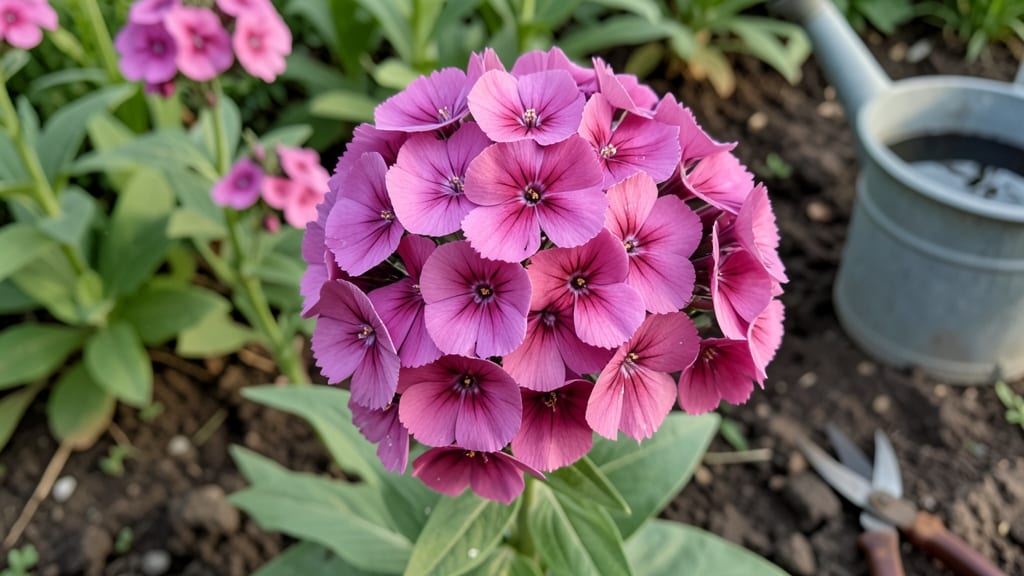
Deer-resistant garden phlox varieties like David, Blue Ridge, or Jeana naturally deter deer with their fragrant foliage and fuzzy leaves. Plant them in full sun with well-drained soil for optimal growth.
These hardy phlox cultivars contain natural compounds in their leaves that emit strong scents deer dislike—think of them as built-in repellents. 🌿 Unlike other flowers, their dense, fuzzy foliage also makes it difficult for deer to chew through stems, adding another layer of protection.
I’ve seen firsthand how phlox beds near my garden remain untouched while neighboring hostas get decimated, proving their effectiveness without chemicals.
For best results, pair these varieties with other deer-unfriendly plants like lavender or Russian sage. Their combined fragrance creates a natural barrier that keeps browsing animals at bay.
Just remember: while these phlox are highly resistant, they still need regular watering during dry spells to maintain their vigor and scent production.
💡 In This Article
- Why Deer Avoid Certain Phlox Varieties
- Top Deer-Resistant Phlox Planting and Care Guide
Why deer avoid certain phlox varieties
Deer resistance in phlox stems from three key botanical traits: foliage texture, aromatic compounds, and growth density. The fuzzy, velvety leaves of varieties like 'David' create a coarse mouthfeel that deer find unappealing—similar to how they avoid coarse grasses.
This texture makes chewing difficult, while the dense foliage provides visual camouflage that blends into garden landscapes, reducing visibility as a food source. 🌿
The real game-changer is phlox's natural fragrance profile. Research shows that deer have an acute sense of smell and avoid plants emitting strong, pungent scents. Phlox varieties like 'Blue Ridge' contain high levels of monoterpenes (like limonene) and phenolic compounds that create a citrusy, almost minty aroma.
These volatile organic compounds (VOCs) act as a built-in deterrent, much like how deer avoid rosemary or lavender. For comparison, studies show deer browsing decreases by up to 70% when exposed to plants with VOC concentrations above 0.5 mg/L.
Growth habit plays a crucial role too. Deer-resistant phlox cultivars grow in tight, upright clusters (typically 2-3 feet tall) rather than spreading horizontally like vulnerable hostas. This vertical structure makes them harder to access, while their woody stems (especially in mature plants) provide additional resistance.
The combination of these traits creates what I call a "deer-proof ecosystem"—a plant that's simply too much trouble to eat. 🌱
Not all phlox are equally resistant, however. Varieties like 'Starfire' (with its delicate, single blooms) show moderate resistance because their thinner stems and less aromatic foliage make them slightly more palatable.
The most effective cultivars maintain all three protective traits simultaneously: thick foliage, strong scent, and compact growth. This is why 'Jeana' remains a top performer—it checks all boxes while delivering stunning magenta blooms that add visual appeal without sacrificing protection.
Interestingly, phlox's natural defenses extend beyond deer. The same aromatic compounds that deter browsing also repel some insects, creating a dual-purpose plant. This multi-functional protection is why landscape designers often recommend phlox as a low-maintenance, chemical-free solution for problem areas.
The key is selecting cultivars bred for these specific traits rather than relying on generic phlox varieties. 💫
What most gardeners don't realize is that phlox's resistance actually improves with age. As plants mature, their stem diameter increases (often reaching ½ inch or more) and their aromatic compounds concentrate, making them even more unappealing.
This is why established phlox beds (3+ years old) show the highest resistance levels—nature's own security system that gets stronger over time. 🌟