Planting
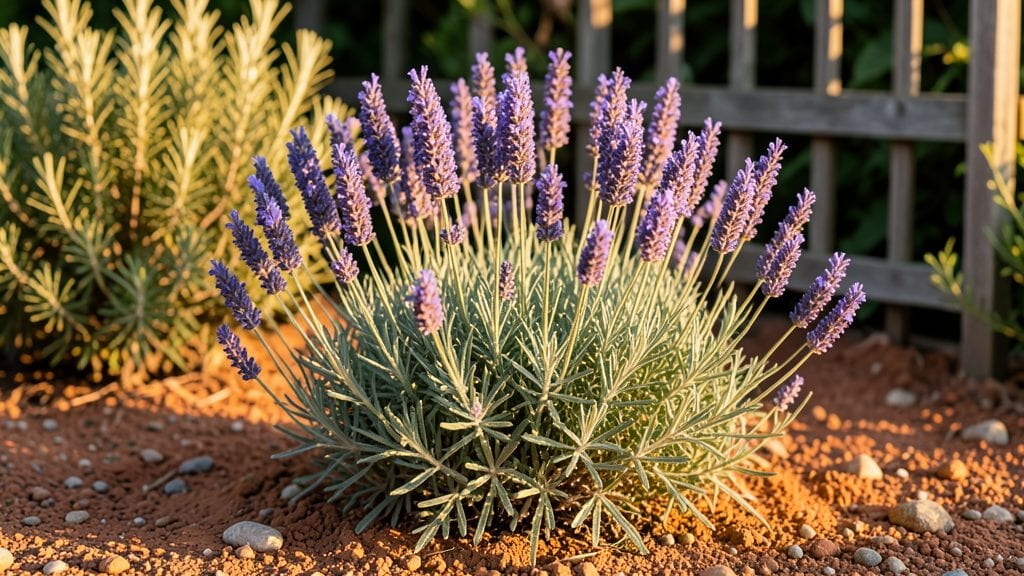
That mysterious plant in your garden could be dinner—or poison, and garden plant identification is the key to knowing the difference. 🌿 I've spent years sorting through nursery mislabels, backyard weeds, and 'mystery' foliage, and I'm sharing the visual clues that reveal exactly what you're growing (or shouldn't be).
The secret isn't memorizing botany—it's learning to read leaf shape, growth patterns, and flower structure like a detective. Most people confuse poison hemlock with wild carrot or mistake bittersweet nightshade for tomatoes.
With just a few key traits, you'll spot the difference instantly and avoid costly mistakes. My guide covers the 50 most common lookalikes in home gardens, from edible herbs to deadly doppelgängers.
You'll walk away knowing how to verify nursery plants, spot invasive species before they spread, and even tell beneficial insects from pests at a glance. No more guessing whether that leafy green is good to eat or needs to go—just clear, visual identification that works every time.
Let's get those plants named right!
Perfect for new gardeners, urban homesteaders, or anyone who's ever stared at a plant wondering, 'What in the world is that?' The same tricks work for houseplants, vegetable patches, and wild edibles alike. Here's how to become the plant whisperer in your neighborhood."
What Triggers Plant Mix-Ups
Misidentifying plants in your garden can happen more often than you’d think—even to seasoned gardeners! Whether you’re staring at a leafy green or a mysterious vine, confusion arises from a mix of natural and human factors.
Understanding these causes will help you sharpen your plant-spotting skills and avoid costly (or dangerous) mistakes.
Some plants share similar leaves, flowers, or growth habits, making them nearly identical at first glance. For example: - 🍃 Broadleaf plants like wild spinach (Chenopodium album) and poison hemlock (Conium maculatum) can look alarmingly alike, especially when young.
Hemlock’s purple-spotted stems and musty odor (when crushed) are key differentiators—but if you miss those clues, disaster can strike. - 🌸 Flowering plants like larkspur (Delphinium) and monkshood (Aconitum) both have bell-shaped blooms, but monkshood is highly toxic (contains aconitine, a neurotoxin).
The key? Monkshood’s dark blue-black flowers and hooded shape are dead giveaways—if you’re paying attention. - 🍄 Edible vs. toxic look-alikes: Wild mushrooms (e.g., morels vs. false morels) or berries (e.g., black nightshade vs. huckleberries) often require close inspection of gills, stems, or seed patterns.
Actionable tip: 🔍 Use a magnifying glass for fine details like leaf veins, flower symmetry, or stem texture. Snap multiple angles of the plant (leaves, flowers, roots if possible) for comparison.
Plants change dramatically as they mature, and seasonal variations can throw off even experienced identifiers. - 🌱 Seedlings vs. mature plants: Young plants often lack defining features.
Dandelion (Taraxacum officinale) seedlings resemble many other broadleaf weeds until their jagged, toothed leaves and milky sap emerge. - 🍂 Fall foliage: Some toxic plants (like pokeweed, Phytolacca americana) turn vibrant purple-black in autumn, mimicking edible berries like elderberries. Never eat berries unless you’re 100% sure—many toxic species are only dangerous when ripe! - 🌿 Dormant or stressed plants: Heat, drought, or pests can alter a plant’s appearance.
A wilted tomato plant might resemble a deadly deadly nightshade (Atropa belladonna) if you’re not familiar with its glossy leaves and bell-shaped flowers.
Actionable tip: 📅 Track plant development with a garden journal. Note when flowers bloom, leaves emerge, or berries ripen—this builds a timeline for accurate ID.
Not all plants behave the same in your climate.
Invasive species or native look-alikes can create chaos: - 🌎 Non-native invaders: Japanese knotweed (Reynoutria japonica) spreads aggressively and resembles harmless native plants like smartweed—but knotweed is illegal in many areas and damages foundations. - 🐝 Pollinator confusion: Bees and butterflies flock to both edible and toxic flowers (e.g., foxglove, Digitalis purpurea, attracts pollinators but contains cardiac glycosides).
If a plant’s flowers are too showy for your garden’s usual flora, investigate further. - 🌿 Microclimate quirks: A shady corner might host toadflax (Linaria vulgaris), which looks like snapdragons but contains toxic pyrrolizidine alkaloids. Sun exposure changes leaf color and growth patterns.
Actionable tip: 🗺️ Check local plant databases (like the USDA Plants Database or regional invasive species lists). When in doubt, consult a local botanist or extension office—they’ve seen the exact species in your area.
Even the best gardeners slip up when: - 📱 Relying solely on apps: Plant ID apps (like PlantNet or Google Lens) are helpful but not foolproof.
They can mislabel toxic plants as edible if the image isn’t clear. - 📖 Skipping the "smell test": Some plants have telltale scents—skunk cabbage (Symplocarpus foetidus) smells like rotting meat, while wild garlic (Allium ursinum) has a pungent onion aroma. Crush a leaf to test! - 🍽️ Eating "foraged" plants without cross-verifying: Never eat a plant unless you’ve: - Confirmed its ID with 3 sources (book, expert, app). - Tested a tiny amount (some toxins cause reactions in hours). - Avoided high-risk areas (roadsides, near livestock, or chemically treated zones).
Actionable tip: 🎯 When in doubt, throw it out—or at least don’t ingest it. Use the "two thumbs rule": If you’re not 100% sure, assume it’s toxic.
Pests, diseases, or weather can distort a plant’s appearance, making it unrecognizable:
- 🐜 Pest damage: Japanese beetles can skeletonize leaves, turning a healthy raspberry plant into something resembling poison ivy (which has smooth, glossy leaves and a "leaflet" pattern).
- 🌧️ Fungal infections: Powdery mildew can make a zucchini leaf look like a deadly nightshade leaf—both are broad and green, but nightshade has smooth edges and bell-shaped flowers.
- 🔥 Sun scorch: Heat stress can bleach leaves, making edible Swiss chard resemble toxic pigweed (Amaranthus retroflexus).
Actionable tip: 🔬 Inspect the plant’s overall health. Healthy plants have vibrant color, no unusual spots, and growth patterns matching their species. Stressed plants are red flags for misidentification.
Quick fixes for plant puzzles
Got a mystery plant in your garden and no clue what it is? 🌱✨ Don’t panic—with the right tools and a little detective work, you can solve the puzzle fast. Below are practical, step-by-step solutions to help you identify plants accurately, whether they’re edible, ornamental, or just plain confusing.
Before diving into apps or books, observe the plant closely. Note these key details: - Leaves: Shape (lobed, serrated, smooth?), arrangement (alternate, opposite?), and texture (hairy, waxy, fuzzy?). - Stems: Woody, herbaceous, or vine-like?
Any thorns or milky sap? - Flowers/Fruit: Color, size, and structure (e.g., berries, pods, or clusters?). - Growth Habit: Does it sprawl, climb, or stay compact?
Pro Tip: 📸 Take multiple photos—close-ups of leaves, stems, and flowers from different angles. Lighting matters! Shoot in natural daylight, not harsh shadows.
No green thumb? No problem. Plant ID apps are your best friend:
- Google Lens (free): Upload a photo, and it scans for matches.
- PictureThis (free/paid): AI-powered with a database of 10,000+ plants.
- iNaturalist (free): Crowdsourced IDs with expert verification.
Warning: ⚠️ Never eat a plant based solely on an app—cross-check with a field guide or expert.
Apps are great, but physical or digital guides add accuracy.
Try: - Books: The New Sunset Western Garden Book (for edibles) or Peterson Field Guide to Edible Wild Plants. - Online Databases: USDA Plants Database (U.S.-focused) or Pl@ntNet (global). - Local Extensions: Contact your county agricultural extension office—they often have free ID resources.
Pro Tip: 🌡️ Check bloom time and region—some plants look identical but grow in different seasons or climates.
Never assume a plant is safe! If you suspect it’s toxic (e.g., shiny leaves, white berries, or milky sap), do this first:
- Avoid touching—some plants cause skin irritation (e.g., poison ivy).
- Check databases: Poison Control’s Plant List or NC State’s Toxic Plants Guide.
- When in doubt, throw it out—especially with kids or pets nearby.
Once you’ve mastered ID, keep your garden safe and organized:
- Label everything 🏷️: Use stakes, tags, or even painted rocks.
- Group by type: Keep herbs, veggies, and ornamentals in separate beds.
- Learn the "Deadly Dozen" 🚨: Memorize common toxic look-alikes (e.g., deadly nightshade vs. blueberries, wild carrot vs. poison hemlock).
- Start a plant journal 📖: Note what you plant, where, and when—helps with future IDs.
Final Reminder: If a plant is truly mysterious (e.g., no matches online, unusual growth), consult a local botanist or nursery pro—they’ve seen it all! 🌿
Frequently asked questions
How do I tell if a plant is edible or toxic just by looking?
Look for these red flags: white berries, milky sap, shiny leaves, or bell-shaped flowers—these often signal danger. Safe edibles usually have dull green leaves, familiar shapes (like basil or mint), and grow where you planted them. When in doubt, never eat wild plants unless verified by 3 sources.
Why do plant ID apps sometimes give wrong answers?
Apps rely on image databases that may lack local species or toxic look-alikes. A poison hemlock might be mislabeled as wild carrot if the photo lacks key details (like purple-stemmed spots). Always cross-check with a field guide or expert—especially for edible plants.
What’s the fastest way to identify a mystery plant?
Start with leaf shape and flower structure, then use Google Lens or PictureThis for quick matches. For tricky cases, check the USDA Plants Database or ask your local extension office. Pro tip: Note the plant’s growth habit (vine, bush, or grass) first—it narrows options fast.
Can I use a magnifying glass to spot toxic plants?
A 10x magnifier reveals key details like leaf veins, stem hairs, or flower symmetry that apps miss. Look for white root hairs (common in nightshades) or purple-streaked stems (poison hemlock). Always compare to trusted guides before touching.
How do I know if a nursery plant is mislabeled?
Compare the plant’s leaves, flowers, and growth pattern to online images. If it doesn’t match, check the root system (some nurseries swap tags). For example, mint often gets labeled as basil—mint has square stems and strong scent, while basil has smooth stems and peppery aroma.