Planting
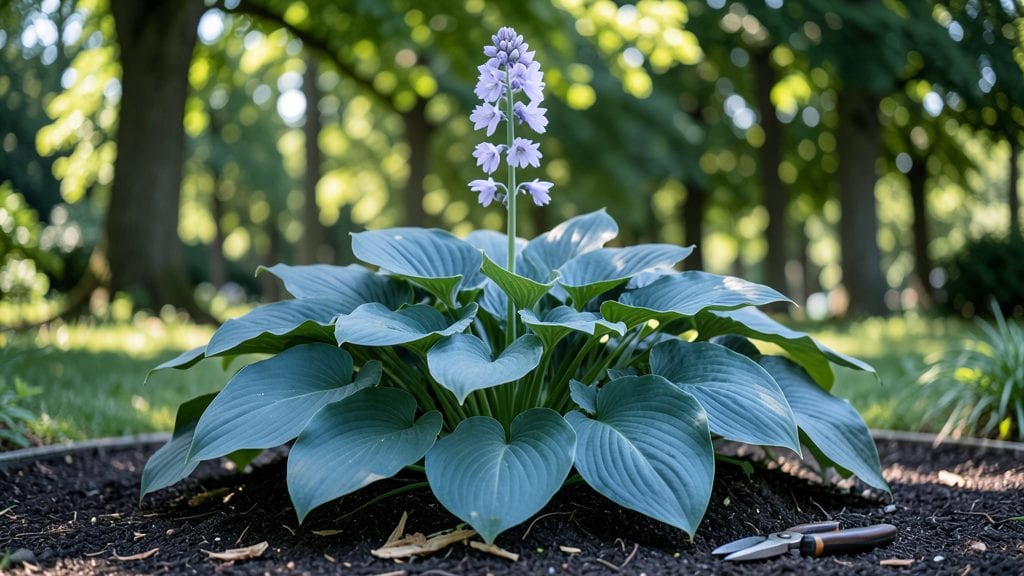
A garden plant identifier doesn’t have to be a guessing game—especially when you’re staring at a leaf or flower that refuses to reveal itself. 🌿 I’ve spent years wrestling with mystery plants in my own yard, and the right tools turn that frustration into quick, confident answers.
The secret lies in combining visual clues with the right apps and databases, so you can stop second-guessing and start growing.
Start with the basics: leaf shape, flower structure, and plant height. A simple smartphone app like PlantNet or Google Lens can scan and match plants in seconds, but even those need a little help when dealing with lookalikes.
For example, poison ivy and Virginia creeper have similar leaves—until you see those telltale clusters of white berries. That’s where close-up photos and side-by-side comparisons become your best friends.
You’ll go from “Is this a weed or a treasure?” to “Ah, that’s my new favorite hosta” in minutes. The best part? These tools work for seeds, seedlings, and full-grown plants, so you’re covered from spring to fall.
And when in doubt, local extension offices or gardening forums can double-check your ID—no more mislabeled plants ruining your garden plans.
Whether you’re clearing out an overgrown corner or just curious about that random sprout, this method cuts the confusion. Let’s turn your garden into a place where every plant has a name—and a purpose.
Mistakes Behind Misidentification
Even the most seasoned gardeners sometimes struggle to correctly identify plants—whether it’s a mysterious weed or a rare bloom. But why does this happen? Misidentification often stems from a mix of human error, environmental factors, and the complexity of plant biology.
Let’s break down the most common reasons and the science behind them.
Plants are identified based on key traits like leaf shape, flower structure, or growth habits. If you’re missing critical details, your garden plant identifier tool will only give you half the picture.
- Why it happens: Many plants share similar features (e.g., broad leaves or white flowers), but subtle differences—like vein patterns, stem hairiness, or seed pod shape—can reveal the true species. If you snap a photo from too far away or in poor light, these details get lost.
- Science behind it: Plants evolve to mimic each other for survival (e.g., Lamium vs. Galeopsis), making visual identification tricky. A garden plant identifier relies on algorithms trained on high-resolution, well-lit images—if your input lacks clarity, the output will too.
- Actionable fix:
- 📸 Capture close-ups of leaves (both top and underside), flowers (all parts), and stems.
- 🌞 Take photos in natural daylight, avoiding shadows or backlighting.
- 📏 Note measurements (e.g., leaf length, flower cluster size) for comparison.
Not all plants look the same year-round. Seedlings, mature plants, and flowering stages can appear entirely different, leading to wild guesses.
- Why it happens: A dandelion in bud form looks nothing like its bright yellow bloom. Similarly, hostas in winter (bare stems) resemble lily-of-the-valley in spring (lush foliage). Without knowing the plant’s growth cycle, you might mislabel it entirely.
- Science behind it: Plant morphology changes due to phenology—the study of periodic plant life events. For example, monkshood (Aconitum) has hooded flowers in summer but may sprout fuzzy, lobed leaves earlier in the season. A garden plant identifier trained on flowering stages may fail if fed a seedling image.
- Actionable fix:
- 📅 Track the plant’s progress over weeks (note when buds form, leaves emerge, or seeds develop).
- 🔎 Search for the plant’s name + "juvenile stage" or "winter dormancy" if it’s out of its typical form.
- 🌿 Check regional bloom charts—some plants flower at different times based on climate.
Garden centers often sell hybrids or cultivated varieties that don’t match their wild counterparts, throwing off identification tools.
- Why it happens: A petunia hybrid might have double blooms and a different color than its parent species. Similarly, roses like ‘Knock Out’ have unique growth habits compared to wild Rosa species. If your garden plant identifier is trained on wild types, it may misclassify these cultivars.
- Science behind it: Selective breeding alters genetic traits (e.g., dwarfism, sterile flowers, or variegated leaves). For example, coleus cultivars exist in 100+ leaf patterns, but a basic identifier might only recognize the species Plectranthus scutellarioides.
- Actionable fix:
- 🏷️ Look for plant tags or ask nursery staff about the cultivar name (e.g., ‘Black Prince’ eggplant vs. wild Solanum melongena).
- 🔬 Use advanced tools like DNA barcoding (for serious gardeners) to distinguish hybrids.
- 🌍 Compare with cultivar databases (e.g., RHS or MBG) if the plant doesn’t match wild types.
Plants adapt to local conditions, leading to regional differences that confuse identifiers trained on global data.
- Why it happens: A sunflower in Arizona might grow taller and darker than one in Canada due to sunlight exposure. Similarly, ivy in humid climates may develop thicker leaves than its drought-adapted cousins. If your garden plant identifier uses a broad database, it may prioritize the "average" plant over your local variant.
- Science behind it: Ecotypes (locally adapted plant populations) evolve due to climate, soil, and competition. For instance, wild bergamot (Monarda fistulosa) in the Midwest has smaller flowers than its coastal relatives. Machine learning models often lack regional fine-tuning.
- Actionable fix:
- 🗺️ Filter your garden plant identifier by region or climate zone (e.g., "USDA Zone 5").
- 🌡️ Note local conditions (e.g., "grows in shade here")—some plants thrive in microclimates.
- 📚 Check local flora guides or university extension resources for region-specific traits.
Even the best garden plant identifier apps have blind spots—whether due to training data gaps or algorithm quirks.
- Why it happens: Most apps rely on crowdsourced databases, which may lack rare or newly discovered species. For example, invasive species like mile-a-minute vine might not be well-documented in early versions of the tool.
- Science behind it: Machine learning models learn from labeled data—if 90% of submissions for "mint" are Spearmint, the app may misclassify Peppermint or Wild Bergamot. Additionally, image recognition struggles with occluded plants (e.g., hidden under leaves) or those with camouflage traits.
- Actionable fix:
- 🔄 Try multiple identifiers (e.g., PlantNet, iNaturalist, Google Lens) to cross-verify.
- 📝 When the app gives a result, manually check 3–5 distinguishing traits (e.g., "Does this match the leaf serration described?").
- 🔗 Report mismatches to the app’s community forum—your feedback helps improve the database!
Quick Fixes for Plant ID Struggles
When your garden plant identifier tools leave you scratching your head, don’t panic—there’s always a solution! Whether you’re dealing with blurry photos, vague descriptions, or a plant that just won’t match, these practical fixes will help you nail the ID every time.
Let’s break down common issues and how to tackle them head-on.
If your plant photos look like abstract art, even the best garden plant identifier will struggle to recognize it.
How to Fix It: ✅ 🔍 Capture Clear Close-Ups
- Get within 6–12 inches of the plant, focusing on leaves, flowers, or stems—these are the most identifiable features.
- Use natural light (avoid harsh shadows or backlighting) for crisp details.
- Pro Tip: 💡 Snap multiple angles—top-down for leaves, side views for stems, and close-ups of flowers or buds.
✅ 🖼️ Edit Before Uploading
- Crop out unnecessary background clutter (focus only on the plant).
- Adjust brightness/contrast in your phone’s photo editor or use free tools like Snapseed or VSCO to sharpen details.
- Pro Tip: 🌡️ If the plant is fuzzy due to movement, take short bursts (3–5 rapid photos) and pick the clearest one.
✅ 📱 Use High-Resolution Mode
- Enable your camera’s highest megapixel setting (usually 12MP or higher).
- Avoid digital zoom—walk closer instead for true clarity.
Sometimes, your plant doesn’t fit neatly into any category, leaving the identifier guessing.
How to Fix It: ✅ 📝 Narrow Down Key Traits
- Instead of saying “green leaf,” describe:
- Leaf shape (lobed, serrated, smooth, heart-shaped?)
- Venation pattern (parallel veins vs. net-like veins)
- Color variations (purple undersides, variegation, spots?)
- Pro Tip: 🎯 Use a plant anatomy guide (like this one) to label parts accurately.
✅ 🔍 Compare with Known Plants
- Cross-reference your notes with local plant databases (e.g., iNaturalist, PlantNet, or USDA Plants).
- Pro Tip: ✨ If the identifier spits out “maybe _X_ or _Y_,” check flowering time, hardiness zone, or soil preferences—these can be dead giveaways.
✅ 🌱 Consider the Environment
- Is the plant in shade, full sun, or wet soil? Some species thrive only in specific conditions.
- Pro Tip: 💡 If it’s a wild or invasive species, regional guides (like Invasive.org) can help rule out matches.
Even advanced garden plant identifiers can miss obscure or hybrid plants.
How to Fix It: ✅ 🔄 Try Multiple Identifiers
- PlantNet (great for flowers/leaves)
- PictureThis (user-friendly with care tips)
- Google Lens (scans barcodes and plants)
- Pro Tip: 🔥 If one fails, combine results—e.g., if PlantNet says “possibly Aloe,” check if your plant’s leaves are fleshy and arranged in a rosette.
✅ 📚 Consult Expert Forums
- Post in r/whatsthisplant (Reddit) or Gardeners.com forums with your photo + location.
- Pro Tip: 🌡️ Include your region—some plants are regional and won’t show up in global databases.
✅ 🔬 Check for Rare or Hybrid Plants
- If it’s a grafted plant, cultivar, or rare species, generic identifiers may not work. Try:
- Searching for trade names (e.g., “Black Magic World” eggplant).
- Looking up nursery tags or purchase receipts for clues.
Plants look very different in winter vs. summer—identifiers can’t always keep up.
How to Fix It: ✅ 🍂 Look for Dormant Clues
- Bark texture, bud shapes, or seed pods can reveal identities even when leaves are gone.
- Pro Tip: 💡 Snap a photo of last year’s growth (e.g., dried seed heads) for comparison.
✅ 🌱 Use a Year-Round Database
- Tools like Audubon’s Bird Guide (for trees) or Arbor Day Foundation’s Tree ID include winter ID tips.
- Pro Tip: ✨ If it’s a tree or shrub, check for leaf scars (marks left on stems after leaves fall).
✅ 📅 Plan Ahead for Next Season
- Take seasonal photos (spring blooms, fall foliage) and store them in a garden journal or cloud album (Google Photos).
- Pro Tip: 📊 Label photos with date, location, and notes (e.g., “Sunny spot, 6/2023—bloomed purple”).
- 📸 Always carry a camera (phone or instant camera) when gardening—opportunities strike fast!
- 🌿 Keep a “plant passport” notebook with sketches or notes on new additions.
- 🌍 Note your USDA Hardiness Zone—it narrows down possibilities instantly.
- 🔄 Update your identifier apps regularly for the latest plant databases.
- 🌱 Join local gardening groups—experienced gardeners often spot IDs faster than apps!
By tackling these common issues with a mix of clear photos, detailed descriptions, and smart cross-referencing, you’ll turn even the trickiest plant ID into a breeze. Happy identifying! 🌱🔍
Frequently asked questions
What are the best free apps for identifying garden plants?
Start with PlantNet or iNaturalist—both use crowdsourced databases and work well for flowers, leaves, and stems. For quick scans, Google Lens (built into Google Photos) can recognize plants from photos. If you want care tips too, try PictureThis, though it has a free tier with limited features. Pro tip: Use multiple apps to cross-verify results!
How do I identify a plant when it’s not flowering?
Focus on leaf shape, arrangement, and texture—these traits often remain consistent year-round. Check the stem hairiness, bud shapes, or even seed pods if present. For trees, look at bark patterns or leaf scars (marks left on stems after leaves fall). Tools like Leafsnap specialize in leaf-only identification.
Why does my plant identifier keep giving me wrong answers?
Most likely, your photos lack key details—try close-up shots in natural light showing both leaf tops and undersides. Apps also struggle with hybrids, cultivars, or regional variants. If the ID seems off, manually check 3-5 distinguishing traits (like flower color or leaf serration) against the app’s description. For stubborn cases, post in r/whatsthisplant on Reddit with your location!
Can I identify plants from seeds or seedlings?
Yes! Focus on seed shape, cotyledon (first leaf) shape, and stem hairiness—these often reveal the species. For seedlings, compare with juvenile stage guides (search “plant name seedling”). Apps like Seed ID specialize in seed identification, while iNaturalist has a community that excels at matching tiny plants. Just be patient—seedlings change rapidly!
What should I do if I suspect a toxic plant?
Never touch or ingest unknown plants! Use a toxic plant database like Poisonous Plants of North America or the American Society for the Prevention of Cruelty to Animals (ASPCA) tool for pets. For urgent help, contact your local poison control center or a botanist. If the plant has milky sap, thorns, or shiny leaves, assume it’s toxic until confirmed otherwise.