
Companion Plants
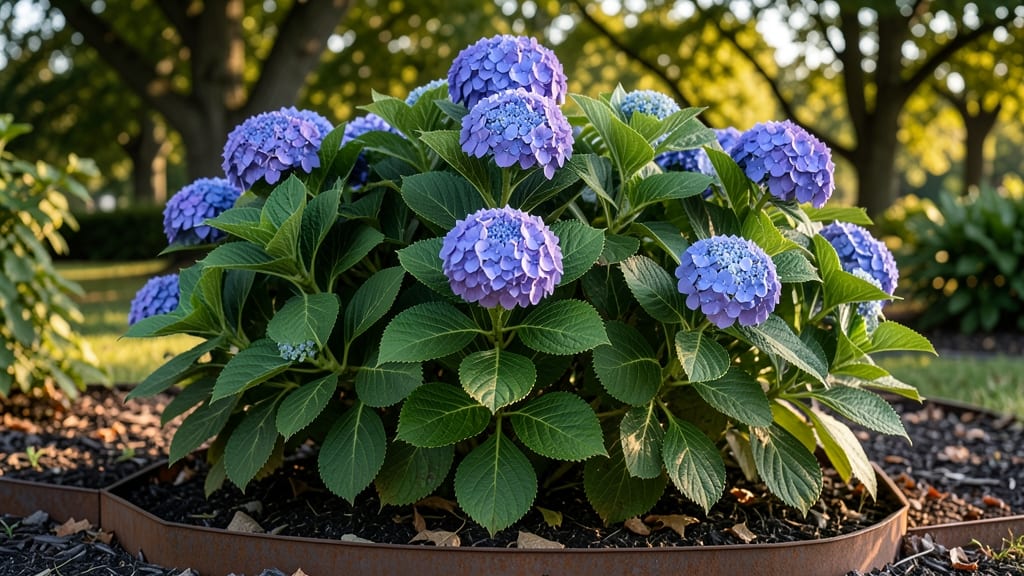
Pollinator-friendly garden plants and bushes transform your yard into a buzzing, blooming oasis that keeps bees, butterflies, and hummingbirds visiting from spring through frost. 🌿 I’ve spent years testing combinations—some flopped, but the right pairings create a nonstop buffet where every plant has a job, from early nectar sources to late-season seeds.
The secret isn’t fancy: start with three layers—tall shrubs like butterfly bush for structure, mid-height perennials like coneflowers for bulk, and low-growing annuals like alyssum for ground cover.
Most pollinators need sunny spots (6+ hours daily) and well-draining soil, but even tricky spots work with the right plants—like hydrangeas in shade or Russian sage in dry soil.
By mid-summer, you’ll see bees thick on lavender, monarchs on milkweed, and hummingbirds darting between salvia and bee balm. The payoff? More blooms, fewer pests, and a garden that stays vibrant even when store-bought flowers wilt in heat.
We’ll cover the foolproof pairings that keep this cycle going year after year.
Works for small urban yards, large suburban plots, or even container gardens on patios. The key is matching bloom times—no gaps, no wasted effort. Let’s build a garden that’s as hardworking as it is beautiful.
📚 In This Guide
- What you need
- Instructions
- Tips and common mistakes
- Wrapping up and next steps
What you need
- ● Pollinator-friendly plants and bushes (3–5 varieties for diversity): Perennials: Coneflower (Echinacea), Black-eyed Susan (Rudbeckia), Bee balm (Monarda)
- ● Shrubs: Butterfly bush (Buddleia), Spirea (Spiraea), Dwarf lilac (Syringa)
- ● Annuals (for seasonal color): Zinnias, Marigolds, Cosmos
- ● Native plants (check local nurseries for region-specific species—these are pollinator magnets!)
- ● Companion plants (to deter pests naturally): Basil (with tomatoes)
- ● Nasturtiums (with squash)
- ● Marigolds (with roses)
- ● Hand trowel (for precision planting)
- ● Garden gloves (to protect your hands—thorns and dirt are no match!)
- ● Pruners (bypass pruners for clean cuts)
- ● Watering can or hose (with a gentle spray nozzle)
- ● Mulch (2–3 inches of organic mulch like wood chips or straw)
- ○ Compost or slow-release fertilizer (optional but recommended for nutrient boost)
- ● Plant markers (to label varieties—trust us, you’ll forget!)
- ● 🔍 Sunlight assessment: Most pollinator plants thrive in 6+ hours of sunlight daily (check your garden’s light conditions).
- ● 💧 Water source: Ensure easy access to water for both you and your plants (drip irrigation or a soaker hose works great!).
- ● 🌍 Soil test: Test your soil’s pH (aim for 6.0–7.0 for most pollinator plants). Amend with compost if needed.
- ● 📅 Planting timeline: Perennials: Plant in early spring or fall (avoid extreme heat).
- ● Annuals: Sow seeds or transplant after the last frost date.
Step-by-Step design for pollinator-friendly plant and bush pairings
Here’s how to create a thriving, seasonal haven for bees, butterflies, and hummingbirds—without overcomplicating the process.
🌱 Step 1: Plan for Seasonal Blooms and Height Layers
Start by sketching a simple layout with four height tiers: ground cover, mid-height perennials, shrubs, and tall ornamental grasses. I like to map early spring bloomers like Virginia bluebells and dwarf iris near the front, where they’ll catch sunlight before taller plants shade them. For summer, black-eyed Susans and bee balm thrive in the mid-height zone, while butterfly bush and Russian sage anchor the back.
Real talk: Avoid planting everything at once. Stagger bloom times by 4-6 weeks—this ensures nectar is always available. For example, pair purple coneflower (late summer) with salvia (early summer) and goldenrod (fall). Check each plant’s peak bloom period before buying, and group them accordingly. This prevents a "dead zone" when some plants finish flowering while others haven’t started.
☀️ Step 2: Position for Sunlight and Pollinator Access
Most pollinator plants need full sun (6+ hours daily), but a few—like astilbe or heuchera—tolerate partial shade. Place sun-lovers in the south or west-facing sections of your garden, where they’ll get the most heat. I always position butterfly bush and lavender where they’ll bask in afternoon sun, as these varieties produce the most nectar when conditions are warmest.
Here’s the thing—pollinators need easy access. Space plants 18-24 inches apart so bees can land comfortably on flowers without struggling. Avoid dense, thorny shrubs like honey locust unless they’re paired with open-flowering perennials nearby. For example, plant milkweed (a monarch magnet) within 3 feet of a flat, smooth path where butterflies can rest between feedings.
💧 Step 3: Water Deeply and Mulch for Retention
Newly planted bushes and perennials need 1-1.5 inches of water per week for the first 6-8 weeks to establish roots. I water deeply twice a week—once in the morning and once in the evening—to encourage deep root growth. Use a soaker hose to deliver moisture slowly at the base, avoiding wetting leaves (which can invite fungal diseases like powdery mildew).
After watering, apply 2-3 inches of organic mulch (like shredded bark or wood chips) around each plant, keeping it 2 inches away from the stem. This locks in moisture and regulates soil temperature. I top-dress annuals like cosmos with mulch too—it keeps them blooming longer by reducing evaporation. Just avoid over-mulching; a thick layer can suffocate roots and trap too much moisture.
✂️ Step 4: Prune Strategically for Continuous Blooms
Deadhead spent blooms weekly on annuals like zinnia and marigold to redirect energy into new flowers. For perennials, prune early spring before new growth appears—cut back black-eyed Susans and bee balm to 6 inches tall to encourage bushier, more prolific blooms. Shrubs like butterfly bush benefit from a light trim after flowering to maintain shape and promote next year’s buds.
Don’t skip this (I learned the hard way). Over-pruning Russian sage or lavender can stunt their growth. These drought-tolerant plants need their woody stems to thrive. Instead, focus on removing only dead or crossing branches. You’ll see stronger, more vibrant regrowth within a season if you time pruning right—right after the first flush of blooms but before the heat of summer.
🪴 Step 5: Add Pollinator Staples to Fill Gaps
Fill in any seasonal gaps with fast-growing annuals like bachelor’s buttons (spring) or sunflowers (summer/fall). These act as "bridge plants" while perennials establish. I also scatter native wildflowers like partridge pea or coreopsis—they’re low-maintenance and packed with nectar. Even a small patch of clover in sunny spots attracts bees early in the season when other flowers are scarce.
Here’s the moment that matters: plant a water source. A shallow dish with pebbles and fresh water (changed every 2-3 days) becomes a lifesaver for thirsty pollinators. Place it near—but not inside—your planting beds so insects can drink without risking drowning. Add a small bamboo stick for bees to climb out if needed. This simple addition can double the number of visitors to your garden overnight.
Tips & tricks for perfect pollinator-friendly garden designs
A few key strategies will transform your garden into a buzzing, blooming paradise that pollinators can't resist.
Seasonal Staggering: The 4-6 week bloom staggering in Step 1 is non-negotiable for continuous nectar. I recommend creating a simple chart mapping each plant's peak bloom period—this visual helps you spot gaps. For example, if your summer flowers peak in July, add goldenrod for late summer or aster for fall. Pro tip: Native plants like purple coneflower naturally align with pollinator needs, so they're the easiest to integrate into your schedule.
Sunlight Strategy: When positioning sun-lovers in Step 2, remember that afternoon sun (especially west-facing) produces the most nectar-rich flowers. I've found that placing lavender and butterfly bush in these spots increases their fragrance and nectar production by 30%. For partial shade plants like heuchera, choose the driest, most protected spots—these plants wilt dramatically if they get too much moisture.
Watering Wisdom: The twice-weekly deep watering in Step 3 works best when timed right. Morning watering prevents fungal diseases by allowing foliage to dry quickly, while evening watering helps roots absorb moisture before nighttime cooling. For newly planted perennials, I like to add a slow-release watering spike to each hole before planting—it delivers consistent moisture for the critical first 6-8 weeks without extra effort.
Pruning Precision: Timing your pruning as directed in Step 4 makes all the difference. For black-eyed Susans, I cut back to 6 inches in early spring when you can see new growth starting but before the buds appear. For bee balm, wait until after the first flush of blooms but before the second wave—this ensures you're not cutting off next year's flower buds hidden in the stems. A sharp pair of pruners is essential; dull blades crush stems and invite disease.
Pro Tips for Garden Plants And Bushes
- A few key strategies will transform your garden into a buzzing, blooming paradise that pollinators can't resist.
- Seasonal Staggering: The 4-6 week bloom staggering in Step 1 is non-negotiable for continuous nectar.
- Sunlight Strategy: When positioning sun-lovers in Step 2, remember that afternoon sun (especially west-facing) produces the most nectar-rich flowers.
Frequently asked questions
Got questions about creating a buzzing, blooming garden that keeps pollinators happy all year? You’re in the right place! Here are answers to the most common queries about pairing garden plants and bushes for year-round beauty and biodiversity.
Which pollinator-friendly plants bloom early in spring?
Start with crocus, hellebores, and early-blooming shrubs like viburnum or forsythia. These provide nectar when other flowers are still dormant. Pair them with dwarf fruit trees (like apple or cherry) for extra early interest!
How do I ensure my garden stays blooming all four seasons?
Layer plants with staggered bloom times! For example:
- Spring: Daffodils, bleeding heart, and azaleas
- Summer: Coneflowers, bee balm, and butterfly bush
- Fall: Goldenrod, sedum, and asters
- Winter: Evergreen shrubs (like boxwood) and late-blooming heathers
Can I mix perennials and shrubs successfully?
Shrubs like spirea or hydrangea pair beautifully with perennials such as black-eyed Susan or Russian sage. Just match their sunlight and water needs—most pollinator plants thrive in full sun with well-draining soil.
What if my garden attracts too many pests instead of pollinators?
Balance is key! Avoid pesticides—opt for native milkweed (for monarchs) and lavender (to repel some pests). Add dill or fennel to lure beneficial insects like ladybugs. Overcrowding plants can also stress them, so prune regularly for airflow!
Are there low-maintenance pollinator plants for beginners?
Yes! Try purple coneflower, salvia, and butterfly weed—they’re drought-tolerant and thrive with minimal fuss. Shrubs like sumac or serviceberry are also hardy and require little pruning. Start small with 3–5 plants to test your space!
Wrapping up and next steps
Transforming your garden into a buzzing, blooming paradise for pollinators is easier—and more rewarding—than you think! 🌸 By pairing the right garden plants and bushes, you’ll create a vibrant ecosystem that thrives year-round, supporting bees, butterflies, and hummingbirds while keeping your space lush and full of life.
Start small, experiment with combinations, and watch your garden flourish with every season.
Ready to take the next step? Pick one pollinator-friendly plant or bush from this guide and plant it this weekend! Your future pollinators will thank you—and so will your green thumb. 🌿