
Companion Plants
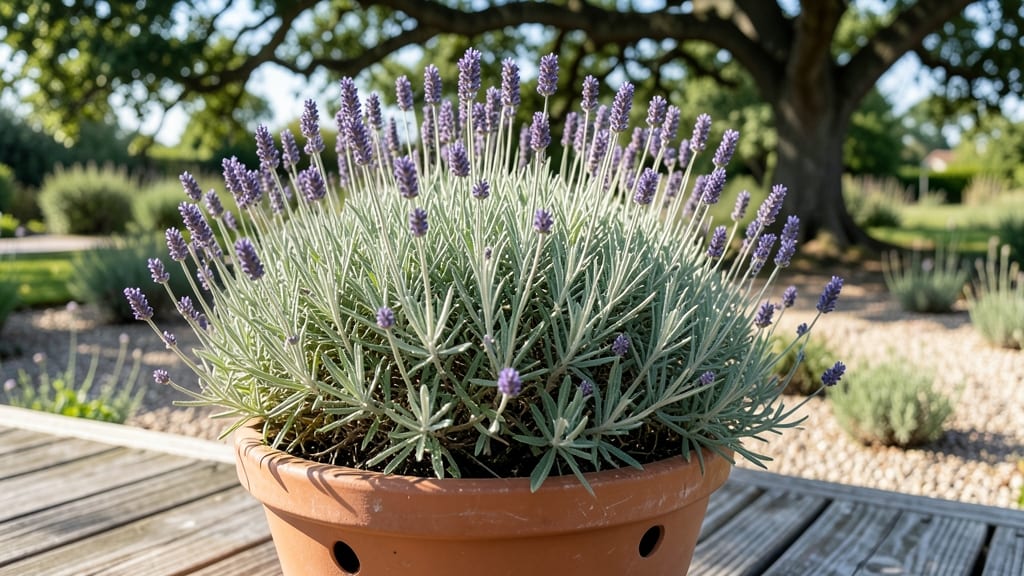
These sun-loving garden plants outside will turn your yard into a vibrant, year-round sanctuary—once you unlock their simple yet transformative secrets. 🌿 I’ve spent years watching my garden shift from patchy to lush by mastering the basics: soil that drains but holds moisture, six hours of sunlight daily, and watering that mimics spring showers.
The difference between a thriving border and a struggling one often comes down to these three simple adjustments.
Start with the right plants—lavender, coneflowers, and black-eyed Susans handle heat and drought like pros, while hostas and asters keep things lively when summer fades. Amend your soil with compost before planting, and mulch heavily to lock in moisture.
Most people overwater outdoors; let the top inch dry between drinks, and you’ll see roots grow deeper and plants tougher. My first garden failed because I treated perennials like annuals—watering daily instead of deeply once a week.
By midsummer, you’ll have a garden that stays vibrant through fall, with foliage that turns jewel-toned and flowers that attract pollinators. The key is choosing perennials that match your light and climate, then giving them space to spread naturally.
No more replanting every year—just low-maintenance beauty that comes back stronger. Let’s get those roots established the right way.
This works for small city yards or sprawling rural plots—adjust spacing based on mature size, and swap out finicky annuals for perennials that thrive with minimal fuss. The payoff? A garden that feels like home, not a chore. Here’s how to make it happen without the guesswork.
📚 In This Guide
- What you need
- Instructions
- Tips and common mistakes
- Wrapping up and next steps
What you need
- ● Sun-Loving Perennial Plants: 5–10 Lavender plants (drought-resistant, fragrant)
- ● 3–5 Black-Eyed Susans (easy-care, bright blooms)
- ● 2–4 Coneflowers (pollinator-friendly, long-lasting)
- ● 1–2 Russian Sage (tall, silvery foliage, heat-tolerant)
- ● 3–5 Sedum (succulent-like, low-maintenance)
- ● Potting Soil: 1–2 bags (50 lbs each) of well-draining, organic potting mix
- ● Compost: 1–2 bags (20–30 lbs) for nutrient-rich soil
- ● Mulch: 1 bag (4 cu. ft.) of shredded bark or pine straw (retains moisture)
- ● Garden Trowel (for digging small holes)
- ● Pruning Shears (for shaping and trimming)
- ● Garden Gloves (to protect your hands)
- ● Watering Can or Hose (with adjustable nozzle)
- ● Measuring Tape (for spacing plants correctly)
- ● Wheelbarrow or Bucket (for transporting soil/mulch)
- ● Slow-Release Fertilizer (for extra nutrients)
- ● Plant Stakes or Labels (to track varieties)
- ● Drip Irrigation System (for efficient watering)
- ● Garden Stones or Edging (for a polished look)
How to establish sun-loving perennials for year-round beauty
Here's the straightforward method I use to create a vibrant perennial garden that thrives through all seasons.
🪴 Step 1: Choose the Perfect Planting Location
Sun-loving perennials need 6-8 hours of direct sunlight daily. Scout your yard for the sunniest spot—south-facing areas get the most light. Avoid low spots where cold air settles in winter, as many perennials struggle with frost pockets. I mark the area with spray paint to visualize the space before digging.
Test the soil moisture by digging a 6-inch deep hole and filling it with water. If it drains within 1-2 hours, your soil has good drainage. If water pools at the bottom after 4 hours, you'll need to amend with compost or sand. Perennials hate soggy roots, so proper drainage is non-negotiable.
🌱 Step 2: Prepare the Soil for Healthy Growth
Remove any grass or weeds from the planting area by hand or with a garden fork. I like to work the soil to a depth of 12 inches—this gives roots plenty of room to establish. Mix in 2-3 inches of compost to improve fertility and soil structure.
For heavy clay soil, blend in 1 part sand per 3 parts soil to create a looser texture. If your soil is sandy, add 1 part peat moss per 2 parts soil to retain moisture. Work the amendments into the soil until it looks dark and crumbly—this ensures strong root development from day one.
☀️ Step 3: Plant Perennials at the Right Depth and Spacing
Dig holes twice as wide as the root ball but only as deep as the container. This prevents burying the crown, which can cause rot. Gently remove plants from their containers and loosen any circling roots with your fingers. Place each plant in its hole so the top of the root ball sits level with the surrounding soil.
Space plants according to their mature size—check the tag for guidance. I always err on the side of spacing them a little wider than recommended. This prevents overcrowding as they grow and makes future maintenance easier. Fill the hole with soil, pressing gently around the roots to eliminate air pockets.
💧 Step 4: Water Deeply and Mulch for Retention
Water each newly planted perennial with 1 gallon of water per plant, letting it soak into the soil. You'll know it's enough when water runs out the bottom of the hole. This deep watering encourages roots to grow downward instead of staying shallow.
Spread 2-3 inches of mulch around each plant, keeping it 2 inches away from the stem to prevent rot. I use shredded bark or wood chips because they break down slowly and improve soil fertility over time. Mulch conserves moisture, regulates soil temperature, and suppresses weeds—three critical benefits for perennials.
✂️ Step 5: Establish a Care Routine for Long-Term Success
Water perennials deeply once a week during the first growing season, increasing to twice weekly during dry spells. You'll know they're getting enough water when the soil feels damp but not soggy 2 inches below the surface. Overwatering is just as harmful as underwatering.
Fertilize lightly in early spring with a balanced 10-10-10 fertilizer to encourage new growth. Deadhead spent blooms regularly to promote continuous flowering. In late fall, cut back perennials to 2-3 inches above the ground to remove debris that could harbor pests or diseases over winter.
Tips & tricks for perfect sun-loving perennial gardens
Creating a thriving perennial garden takes more than just planting—it's about setting up your plants for long-term success from day one.
Sunlight Strategy: The 6-8 hours of direct sunlight requirement is non-negotiable for sun-loving perennials. I always check my garden's sun exposure patterns throughout the day—morning sun is gentler, while afternoon sun can be intense. If your yard has partial shade, consider planting sun-tolerant varieties like lavender or Russian sage in those spots. For the sunniest areas, go for heat-lovers like black-eyed Susans or coneflowers.
Soil Testing Secret: Before amending, I test my soil's pH using a simple kit from the garden center. Most perennials prefer a neutral pH (6.0-7.0), but some like blueberries need acidic soil (4.5-5.5). The 12-inch soil depth preparation in Step 2 is crucial—it gives roots room to establish deep networks that access water and nutrients during droughts. Don't skip this deep preparation, even if your soil looks fine on top.
Planting Depth Visual: When placing plants in their holes, I use a small wooden stake to mark the original soil level on the root ball. This helps me position the plant so the top sits level with the surrounding soil—never buried. I've seen many gardeners bury the crown by accident, which leads to rot. A quick visual check with this simple trick saves so many plants from failure.
Watering Wisdom: That 1 gallon per plant watering in Step 4 should create a saturated soil zone about 12 inches deep. I check this by digging a small hole nearby—if the soil at 2 inches down is damp, you've watered enough. The key is deep, infrequent watering that encourages roots to grow downward rather than staying shallow. This is especially important during the first growing season when roots are establishing.
Pro Tips for Garden Plants Outside
- Creating a thriving perennial garden takes more than just planting—it's about setting up your plants for long-term success from day one.
- Sunlight Strategy: The 6-8 hours of direct sunlight requirement is non-negotiable for sun-loving perennials.
- Soil Testing Secret: Before amending, I test my soil's pH using a simple kit from the garden center.
Frequently asked questions
about growing garden plants outside with sun-loving perennials—here’s what you need to know!What’s the best time to plant sun-loving perennials outdoors?
For most sun-loving perennials, spring (after the last frost) or early fall are ideal. This gives roots time to establish before extreme heat or cold. Check your USDA hardiness zone for precise timing—cool seasons reduce transplant shock!
How much water do outdoor perennials really need?
Newly planted perennials need 1–1.5 inches of water weekly (deep watering 2–3x/week). Once established, many thrive on rainfall alone! Mulch (2–3 inches) retains moisture and reduces evaporation—just avoid piling it against stems.
Can I grow sun-loving perennials in partial shade?
Most sun-loving perennials (like lavender or coneflowers) require 6+ hours of direct sunlight daily for peak blooms. If your space is shadier, opt for tolerant varieties (e.g., black-eyed Susans or sedum) or pair them with taller plants for dappled shade.
How do I keep pests away from my outdoor perennials?
Prevention is key! Neem oil or companion planting (e.g., marigolds with tomatoes) deters pests naturally. For chewers, use row covers early in the season. Regularly inspect leaves for early signs of aphids or slugs—act fast to avoid spread!
Do I need to winterize sun-loving perennials?
Hardy perennials (like daylilies or Russian sage) survive winter with mulch (4–6 inches of straw or leaves). Tender varieties (e.g., salvia) may need protective cover or container overwintering. Prune dead foliage in early spring to encourage fresh growth!
What’s the easiest low-maintenance perennial for beginners?
Try sedum (drought-tolerant), catmint (deer-resistant), or yarrow—all bloom reliably with minimal care. These thrive in poor soil, need little water, and spread slowly. Pro tip: Group them with other tough perennials for a "plant-once, enjoy-for-years" garden!
Wrapping up and next steps
Transforming your outdoor space into a vibrant, year-round garden is easier than you think! Sun-loving perennials like lavender, coneflowers, and black-eyed Susans not only thrive with minimal care but also attract pollinators and add stunning color to your landscape.
With the right companion plants and a little planning, you can create a low-maintenance oasis that blooms season after season.
Ready to get started? Pick one or two perennials to begin, gather your supplies, and dive in—your future garden will thank you! 🌿✨ Happy planting!