
Companion Plants
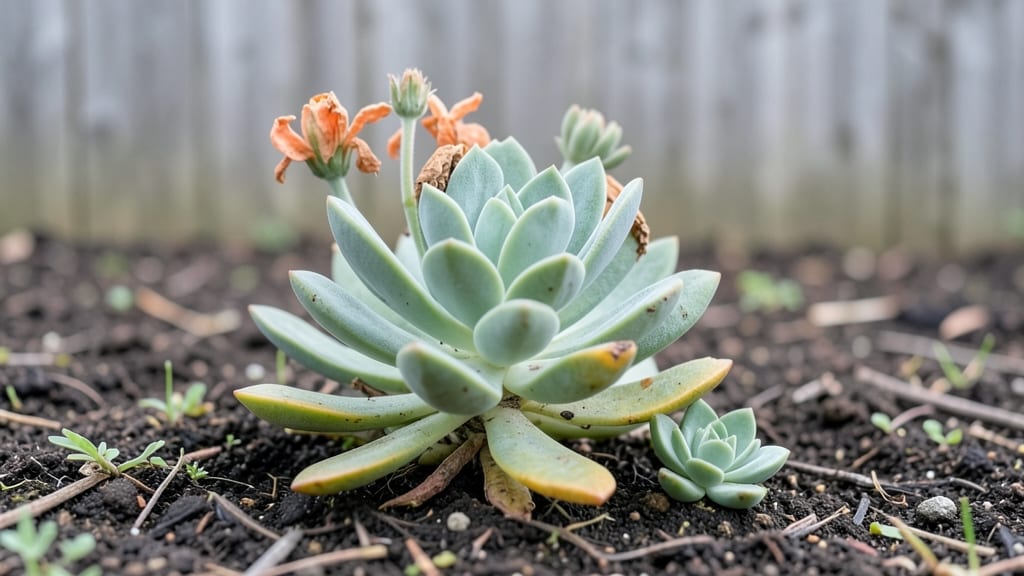
Garden sedum plants transform dry slopes into lush, sun-loving carpets that never beg for water. ✨ I've covered my toughest spots with sedum, and the results—thick, velvety foliage that stays green even in summer droughts—are nothing short of shocking.
The secret lies in its natural resilience: these plants store moisture like tiny water tanks, making them perfect for hot, sunny areas where other ground covers give up.
You'll need full sun (at least six hours daily), well-draining soil (even rocky spots work), and minimal fuss beyond occasional trimming. Most varieties thrive in zones 3-10, and they spread effortlessly through stems or division, giving you free plants in no time.
Succulent types like 'Dragon's Blood' add bold color, while ornamental varieties like 'Autumn Joy' deliver late-season blooms that hummingbirds adore.
Once established, sedum plants become nearly indestructible. They resist deer, drought, and even heavy foot traffic, making them ideal for pathways, slopes, or between stepping stones.
Prune back spent foliage in early spring to encourage fresh growth, and watch as your garden becomes a low-maintenance masterpiece that requires less water than a patch of grass.
Perfect for beginners or busy gardeners, sedum delivers year-round interest with almost no effort. Whether you're reviving a rocky hillside or adding texture to a sunny border, these plants prove that beauty doesn't require constant attention—just the right conditions to thrive.
📚 In This Guide
- What you need
- Instructions
- Tips and common mistakes
- Wrapping up and next steps
What you need
- ● Sedum plants: Choose between Sedum spurium, Sedum acre, or Sedum album (3–5 plants per 10 sq. ft. for full coverage).
- ● Well-draining soil: Mix 2 parts topsoil with 1 part coarse sand or perlite (50 lbs. per 10 sq. ft. area).
- ● Organic compost: 1–2 bags (20 lbs. each) to enrich the soil and improve drainage.
- ○ Mulch (optional but recommended): 1–2 bags of gravel or decorative stones (3/4"–1" size) for a polished look.
- ● Garden gloves: A pair to protect your hands from rough soil and sharp stones.
- ● Hand trowel or transplanting spade: For digging small holes (6" deep).
- ● Garden rake: To level the soil and remove debris.
- ● Watering can or hose with a gentle spray nozzle: For consistent moisture during the first 2 weeks.
- ● Measuring tape or string: To mark out planting areas for even spacing.
- ● Full sun exposure (6+ hours of direct sunlight daily).
- ● Dry to medium moisture soil (sedum hates soggy roots!).
- ● Well-defined planting area (sedum spreads aggressively—contain it with edging if needed).
Step-by-step instructions for planting and establishing sedum ground cover
Here's the straightforward method I use to create a lush, drought-resistant sedum carpet that spreads effortlessly.
🌱 Step 1: Prepare Your Site for Optimal Growth
Sedum thrives in full sun, so choose a location receiving at least 6 hours of direct sunlight daily. Clear the area of weeds and debris, then loosen the soil to a depth of 4-6 inches using a garden fork. Sedum tolerates poor soil but grows best in well-draining, slightly rocky ground—this mimics its natural habitat.
If your soil is heavy clay, mix in 2-3 inches of coarse sand or gravel to improve drainage. Avoid amending with rich compost, as sedum prefers lean conditions. The goal is to create a loose, airy medium that mimics its native rocky terrain.
🪴 Step 2: Plant Sedum Cuttings or Divided Plants
For fastest results, use 4-inch stem cuttings taken from healthy sedum plants. Remove the lower leaves and dip the cut ends in rooting hormone (optional but helpful). Plant cuttings 2-3 inches deep, spacing them 6-12 inches apart depending on the mature size of your variety.
If using nursery-grown sedum, dig holes slightly larger than the root ball and place plants at the same depth they were growing before. Gently firm the soil around the base but avoid compacting it. Water lightly immediately after planting to settle the soil without displacing roots.
☀️ Step 3: Establish with Minimal Watering
Sedum's drought tolerance begins at planting. Water deeply once a week for the first month, allowing the soil to dry completely between waterings. You'll see new growth within 2-3 weeks—this is your signal that the plants are rooting successfully.
After the initial establishment period, reduce watering to every 3-4 weeks unless your region experiences extreme heat. Overwatering is the fastest way to kill sedum. The plants will tell you when they need water: their plump, succulent leaves begin to flatten and wrinkle.
✂️ Step 4: Encourage Spread Through Strategic Pruning
Once established, sedum spreads naturally through runners. To accelerate coverage, trim back foliage by one-third in early spring before new growth begins. This stimulates bushier growth and fills in gaps. You'll notice new shoots emerging from the base within 3-4 weeks of pruning.
In late fall, cut back any dead or damaged stems to maintain a tidy appearance. Sedum's natural dormancy period makes it low-maintenance—just remove debris in spring to reveal fresh new growth.
🌿 Step 5: Maintain Long-Term Health with Seasonal Care
Fertilize lightly in early spring with a balanced, slow-release fertilizer (5-10-5 ratio) at half the recommended strength. Sedum doesn't need much—too much fertilizer encourages weak, leggy growth. Apply fertilizer when you see new shoots emerging from the base.
Monitor for pests like aphids or mealybugs, which occasionally target new growth. Spray infested areas with neem oil or rinse off pests with a strong stream of water. Healthy sedum rarely has pest problems, but early intervention prevents spread.
Tips & tricks for perfect sedum ground cover
Creating a thriving sedum carpet takes more than just planting—it's about working with nature's low-maintenance design. Here's what I've learned after years of growing these resilient plants.
Site Preparation Secret: The 6 hours of daily sunlight requirement is non-negotiable for sedum's best performance. I always test my location by observing where sunlight falls between 10 AM and 4 PM—this is when sedum gets its most critical light exposure. For clay-heavy soils, blend that 2-3 inches of coarse sand or gravel thoroughly into the top 6 inches of soil. Think of it as creating a rocky garden bed's texture—sedum's natural habitat—right in your yard. This one change prevents the #1 killer of sedum: root rot from poor drainage.
Planting Technique: When planting those 4-inch stem cuttings at 2-3 inches deep, I make sure to space them closer (6 inches apart) for faster coverage, especially for varieties like 'Dragon's Blood' that spread aggressively. The key is to handle cuttings gently after dipping in rooting hormone—don't squeeze the stems, as this can damage the delicate new roots forming. I've found that planting on a slightly cloudy day gives cuttings their best start, reducing transplant shock from direct sun.
Watering Wisdom: That first month's weekly watering schedule might seem counterintuitive for a drought-tolerant plant, but it's crucial for establishing roots. I use a soaker hose for deep watering to encourage roots to grow downward rather than staying shallow. After the initial month, I switch to measuring rainfall—if we get 1 inch of rain, I skip watering entirely. The wrinkled leaf test is foolproof: if leaves look like they've lost their plumpness, that's your cue to water, but only enough to rehydrate the soil 2-3 inches deep.
Pruning Strategy: The one-third spring pruning isn't just about appearance—it's about stimulating new growth from the base where sedum naturally spreads. I time this cutback right when I see the first new shoots emerging from the base, usually in early April in my zone 7 garden. For varieties that spread slowly like 'Autumn Joy', I'll make two light prunings—one in spring and one after flowering—to maintain that tidy, carpet-like appearance while encouraging more runners.
Pro Tips for Garden Sedum Plants
- Creating a thriving sedum carpet takes more than just planting—it's about working with nature's low-maintenance design.
- Site Preparation Secret: The 6 hours of daily sunlight requirement is non-negotiable for sedum's best performance.
- The key is to handle cuttings gently after dipping in rooting hormone—don't squeeze the stems, as this can damage the delicate new roots forming.
Frequently asked questions
Got questions about garden sedum plants?
You’re not alone! Here are answers to the most common queries—because even low-maintenance plants deserve a little extra care.
How fast do sedum plants spread in a garden?
Sedum spreads at a moderate pace, typically 6–12 inches per year depending on the variety. ‘Dragon’s Blood’ and ‘Autumn Joy’ grow faster than creeping types like ‘Angelina’. To control spread, trim back foliage in early spring or divide clumps every 2–3 years. Mulch can also slow aggressive creepers!
When is the best time to plant sedum?
Spring or early fall are ideal! Plant in cool weather (50–70°F) to help roots establish before summer heat. Avoid planting in peak summer—sedum hates soggy soil and may rot. Pro tip: Water deeply after planting, then let nature take over. Drought tolerance kicks in fast!
Do sedum plants attract pests or deer?
Sedum is deer-resistant (they usually avoid it!) and rarely bothered by pests. However, aphids or snails might munch on tender new growth. Spray with soapy water for aphids or use beer traps for snails. Mostly, sedum’s thick leaves deter critters—nature’s built-in armor!
Can I grow sedum in containers instead of a garden bed?
Sedum thrives in containers with well-draining soil and a mix of sand or perlite. Choose shallow pots (6+ inches deep) for creeping types like ‘Blue Spruce’. Drainage holes are a must—root rot is sedum’s worst enemy. Rotate pots occasionally for even growth!
How cold-hardy are sedum plants?
Most sedum varieties handle USDA Zones 3–10, surviving winters below 0°F. ‘Autumn Joy’ and ‘Stonecrop’ are top performers in cold climates. In extreme frost, mulch lightly with straw or leaves. Evergreen types (like ‘Angelina’) stay green year-round, while others die back but regrow in spring.
What can I plant with sedum for a low-maintenance border?
Pair sedum with lavender (drought-loving and fragrant), Russian sage (tall and silvery), or yarrow (bright flowers). For height, add salvia or catmint. Avoid moisture-loving plants—stick to xeric (dry) companions. Bonus: Succulents like hen-and-chicks make great neighbors!
Wrapping up and next steps
Garden sedum plants are the ultimate low-maintenance, drought-resistant superstars for any yard—whether you're a busy gardener or just love easy-care beauty! 🌿 Their hardy nature, vibrant colors, and ability to thrive in tough conditions make them a must-have for ground cover, pollinator gardens, or even rooftop spaces.
With minimal effort, you’ll enjoy a lush, resilient landscape that’s as rewarding as it is resilient.
Ready to transform your garden? Start small—pick a sunny spot, prep the soil, and plant your sedum! Pro tip: Mix varieties for texture and color, then sit back and watch nature do the work. Happy gardening! 🌸