Pests
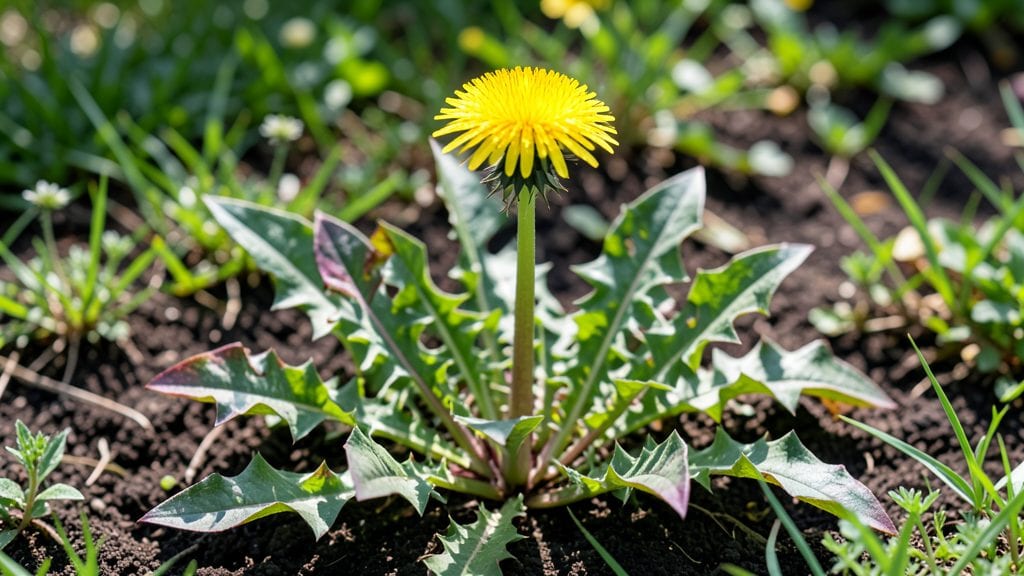
Garden weed leaves aren't just a nuisance—they're free mulch that can smother new weeds before they sprout. 🌱 I've used this trick for years to cut down on weeding time by half, and the best part?
You don't need to buy anything. The key is knowing which leaves work best and how to apply them without harming your plants.
Start by gathering broadleaf weeds like dandelions, plantain, or chickweed—their flat, wide leaves make the best natural mulch. Spread them between plants or over bare soil, creating a thick layer that blocks sunlight from reaching weed seeds.
This method works especially well in vegetable gardens and flower beds where you want to minimize tilling.
Within a few weeks, you'll notice fewer weeds popping up, and your soil stays moist longer. The leaves break down slowly, adding nutrients back into the earth. It’s a win-win: less weeding and healthier soil. Plus, it’s a great way to recycle yard waste instead of bagging it up.
For best results, apply this mulch in early spring or late fall when weeds are just starting to germinate. In hot climates, reapply every few weeks to keep the soil covered. This approach saves time, money, and keeps your garden looking tidy without harsh chemicals.
The Hidden Triggers Behind Weed Growth
Understanding why garden weed leaves thrive in your yard is the first step to reclaiming your space naturally. Weeds don’t just appear out of nowhere—they respond to environmental cues, soil conditions, and even human habits. Let’s break down the science behind their persistence so you can tackle the root causes.
Weeds flourish when your soil lacks the right balance of nutrients, water, and organic matter. Unlike cultivated plants, many weeds are opportunistic, thriving in depleted or compacted soil where desirable plants struggle.
- Lack of Organic Matter: Healthy soil is rich in decomposed plant material (humus), which retains moisture and nutrients.
When soil is bare or low in organic content, weeds like crabgrass or chickweed seize the opportunity, germinating rapidly from seeds in the soil bank. - Compacted Soil: Heavy foot traffic, machinery, or poor drainage compresses soil, reducing oxygen and water availability.
This stress weakens grass and plants, while weeds—often with shallow but aggressive root systems—take over. - Nutrient Deficiencies: Weeds like dandelions and plantain grow vigorously in nitrogen-poor soil because they fix nitrogen from the air.
If your lawn or garden lacks nitrogen, these weeds outcompete grass by absorbing what little is available.
Actionable Fix: Amend your soil with compost or well-rotted manure to improve structure and fertility. Aerate compacted areas to restore airflow and water penetration. A soil test can pinpoint specific deficiencies.
Watering habits play a huge role in weed proliferation. While some weeds tolerate drought, others—like nutsedge or spurge—love excess moisture and thrive in soggy conditions.
- Excessive Moisture: Overwatering creates the perfect environment for weed seeds to germinate.
Many weeds require consistent moisture to sprout, and wet soil washes away natural mulch, exposing bare patches where weeds can establish. - Inconsistent Watering: Shallow, frequent watering encourages weeds with shallow roots (like clover or henbit) to dominate, as they germinate faster than deeper-rooted plants.
Deep, infrequent watering favors established grass roots, outcompeting weeds. - Poor Drainage: Areas with standing water or slow drainage become weed magnets. Water-loving weeds like smartweed or sedges exploit these conditions, while desirable plants suffocate.
Actionable Fix: Water deeply but less frequently (1–1.5 inches per week) to encourage deep root growth in your plants. Improve drainage by amending soil with sand or organic matter, and avoid overwatering lawn edges where weeds often invade.
Weeds are masters of adapting to light conditions. Some thrive in full sun, while others dominate shaded or partially shaded areas, exploiting every niche in your garden.
- Full-Sun Weeds: Species like pigweed, purslane, and lambsquarters germinate in abundance where sunlight reaches bare soil.
They grow quickly to outcompete slower-growing plants for light. - Shade-Tolerant Weeds: In wooded areas or under dense foliage, weeds like creeping Charlie (ground ivy) or wild violet thrive because they photosynthesize efficiently in low light.
These weeds spread via runners or seeds, filling gaps left by struggling shade plants. - Disturbed Soil: Any disruption—whether from tilling, digging, or even foot traffic—exposes fresh soil to light, triggering weed seeds to germinate. This is why freshly tilled garden beds often become weed jungles within weeks.
Actionable Fix: Use dense mulch (straw, wood chips, or cardboard) to block sunlight from reaching weed seeds. Plant ground covers or shade-tolerant perennials to outcompete weeds naturally. In sunny areas, keep soil covered with a living mulch like clover.
Even the healthiest gardens can become weed havens if maintenance slips. Weeds exploit gaps in care, whether it’s thin grass, bare soil, or unchecked spread.
- Thin or Patchy Lawns: Weeds like dollarweed or chickweed invade where grass is sparse or dying. Lawns with less than 70% coverage leave too much space for weeds to establish. - Unchecked Spread: Perennial weeds (e.g., bindweed, quackgrass) spread via underground rhizomes or stolons.
If left unchecked, they form dense mats that choke out other plants. - Delayed Planting: Bare soil between garden rows or in empty beds gives weeds a head start. Seeds from nearby areas blow in or wash in, germinating before you can plant your desired species.
Actionable Fix: Overseed thin lawns in fall to fill bare spots before weeds move in. Pull weeds early (before they seed) and maintain a thick, healthy sod or plant canopy. Use pre-emergent mulches in garden beds to prevent weed seeds from sprouting.
Sometimes, weeds aren’t the primary invaders—they’re opportunists taking advantage of damage caused by pests, animals, or even beneficial insects gone awry.
- Insect Damage: Grubs, chinch bugs, or armyworms can kill grass, leaving dead patches where weeds like crabgrass or spurge take hold. Even beneficial insects like bees can inadvertently spread weed seeds (e.g., clover) via pollen. - Animal Activity: Birds scatter weed seeds (e.g., smartweed, lambsquarters) while foraging.
Rabbits or deer may nibble young plants, creating gaps for weeds to fill. Burrowing animals like moles aerate soil, bringing weed seeds closer to the surface. - Fungal or Disease Pressure: Weakened plants from fungal infections (like brown patch in lawns) leave openings for weeds.
Some weeds, like common milkweed, even host pests that further stress your garden.
Actionable Fix: Address pest issues promptly with integrated pest management (IPM) techniques. Encourage natural predators (ladybugs, birds) to control insect populations. Use physical barriers (e.g., fencing) to protect young plants from animals.
Weeds are expert hitchhikers, using natural forces to colonize new areas. Once established in one spot, they spread effortlessly to others.
- Windborne Seeds: Lightweight seeds (e.g., dandelion, thistle, ragweed) travel miles on the wind, landing in cracks, driveways, or garden beds. A single dandelion can produce 100+ seeds per plant! - Water Dispersal: Seeds float or hitch rides on runoff, colonizing low-lying areas or garden edges.
Weeds like smartweed thrive in wet, disturbed soil. - Animal-Assisted Spread: Birds, squirrels, and even humans unknowingly transport weed seeds on fur, shoes, or tools. For example, nutsedges spread via water and muddy paws.
Actionable Fix: Remove weeds before they go to seed (pull or cut at the base). Use weed barriers (landscape fabric) in high-risk areas. Clean tools and shoes after working in infested spots to prevent spread.
Even well-intentioned gardening practices can inadvertently encourage weeds. Over-reliance on certain methods (or skipping others) creates conditions weeds love.
- Over-Fertilizing: Excess nitrogen promotes rapid weed growth, especially broadleaf weeds like plantain or chickweed. Weeds often outgrow desirable plants when nutrients are abundant. - Under-Fertilizing: Conversely, nutrient-starved soil weakens plants, leaving them vulnerable to weed invasion.
Weeds like lambsquarters fix nitrogen, making them dominant in poor soil. - Skipping Mulch: Bare soil heats up faster, dries out, and loses moisture—conditions that trigger weed seed germination. Mulch suppresses weeds by blocking light and retaining soil moisture.
Actionable Fix: Use a balanced fertilizer (with micronutrients) and apply mulch consistently. For lawns, use slow-release nitrogen to avoid spikes that favor weeds. In gardens, top-dress with compost instead of synthetic fertilizers.
Pro Tip 💡: Prevention is easier than eradication! The best way to stop weeds is to create an environment where they can’t thrive—dense plant cover, healthy soil, and smart watering. Once weeds take hold, natural mulches (like those from your garden) can smother them without chemicals.
Natural Ways to Control Weed Leaves
Weed leaves may seem like a small nuisance, but left unchecked, they can choke out your plants, drain nutrients from the soil, and make your garden look unkempt. The good news?
You don’t need harsh chemicals to keep them in line. Here’s how to tackle them naturally, with solutions tailored to common causes and prevention tips to keep your garden thriving.
Weeds thrive where sunlight hits bare soil. If your garden beds are packed with unwanted leaves and sprouts, mulching is your best defense.
How to Fix It:
- 🔥 Choose the Right Mulch: Organic mulches like straw, wood chips, or shredded leaves break down over time, suppressing weeds while improving soil health. Inorganic options like landscape fabric or cardboard (buried under mulch) work too.
- 👨🍳 Apply a Thick Layer: Spread 3–4 inches of mulch evenly over garden beds, leaving a small gap around plant stems to avoid rot.
- 🥘 Refresh Seasonally: Top up mulch in spring and after heavy rains to maintain coverage.
Prevention Tip: 💡 Mulch early! Apply it before weeds take hold—once they’re established, removal becomes harder.
If weed leaves are creeping into your lawn, the issue is likely thin grass or poor maintenance. A lush lawn is the best weed deterrent.
How to Fix It:
- 🍳 Overseed Bare Spots: Fill thin areas with grasses native to your region (like fescue or ryegrass) for a quick green-up.
- ⏰ Adjust Mowing Height: Set your mower to 3–4 inches—taller grass shades out weeds by competing for sunlight.
- 🔪 Hand-Pull Persistent Weeds: For stubborn weeds like dandelions or clover, grab them at the root on a damp morning for easiest removal.
Prevention Tip: ✨ Fertilize smartly! Use a slow-release, organic fertilizer in early spring to encourage thick, healthy grass that crowds out weeds.
Weeds love fertile soil—if your garden is overloaded with nitrogen or organic matter, they’ll outcompete your plants.
How to Fix It:
- 🌡️ Test Your Soil: Use a DIY soil test kit (or send a sample to a local extension office) to check pH and nutrient levels.
- 📊 Adjust with Compost Tea or Lime: If soil is too acidic (low pH), add pelletized lime. If it’s too alkaline (high pH), mix in sulfur or compost tea to balance nutrients.
- 🎯 Plant Competitive Ground Covers: Cover bare soil with creeping thyme, clover, or shade-tolerant perennials to outcompete weeds naturally.
Prevention Tip: 🔥 Rotate crops! Avoid planting the same family of plants (like tomatoes or peppers) in the same spot yearly—this prevents weed seeds from thriving in enriched soil.
Some weeds (like crabgrass or chickweed) re-seed aggressively. The key is preventing new growth before it starts.
How to Fix It:
- 🔪 Pull Before They Flower: Remove weeds when they’re small—especially before they produce seeds. Even a few missed seeds can mean a weed explosion next season.
- 🥘 Solarize Problem Areas: In hot climates, cover bare soil with clear plastic for 4–6 weeks in summer. The trapped heat kills weed seeds and soil-borne pests.
- 💡 Use Corn Gluten Meal: Sprinkle 1 lb per 100 sq ft in early spring—it prevents weed seeds from germinating without harming established plants.
Prevention Tip: 🌱 Keep garden beds weed-free year-round! Even "dead" weeds can drop seeds—stay vigilant in fall and winter too.
Sometimes, the simplest solution works best. For small, manageable patches, good old elbow grease is unbeatable.
How to Fix It:
- 👨🍳 Best Time to Pull: Weeds are easiest to remove after rain when soil is soft. Early morning is ideal—leaves are damp and roots pull out cleaner.
- 🔪 Use the Right Tools:
- Hand trowel for deep-rooted weeds (like dandelions).
- Hori-hori knife for stubborn weeds in cracks.
- Weeding fork for grassy areas (lifts weeds without bending over).
- 🥘 Dispose of Weeds Properly: Don’t compost weeds that have gone to seed! Instead, bag them and toss them or burn them (if allowed in your area).
Prevention Tip: 🎯 Work in sections! Pull weeds in small, manageable areas (like one garden bed at a time) to avoid burnout.
Weed control isn’t a one-time task—it’s an ongoing game of prevention and persistence. By mulching, mowing high, balancing soil, and staying ahead of seeds, you’ll create a garden where weeds struggle to survive while your plants flourish.
Pro Tip: 🌟 Set a weekly 15-minute weeding reminder! Even a quick sweep through your garden prevents small problems from becoming big headaches.
Frequently asked questions
Can I use any type of garden leaves as mulch to block weeds?
Not all leaves work equally well! Use broadleaf weeds like dandelion, plantain, or chickweed—their flat leaves create the best barrier. Avoid small, needle-like leaves (e.g., clover) as they don’t smother weeds effectively. Always shred larger leaves first to speed up decomposition.
How often should I reapply weed-suppressing mulch?
Check mulch every 4-6 weeks in warm climates or after heavy rain. Organic mulches (like shredded leaves) break down faster, so top up more frequently. In cooler areas, a single application may last 2-3 months before needing renewal. Consistency is key!
Will using weed leaves as mulch harm my plants?
Only if you use leaves from treated lawns or chemically sprayed areas. Always choose organic weed leaves from pesticide-free zones. Fresh mulch can also create nitrogen competition—balance it by adding compost underneath. For sensitive plants, apply mulch 2 inches away from stems.
Can I still use weed leaves as mulch if they're diseased?
Never use leaves showing signs of fungus or mildew—they can spread to your plants. Look for healthy, green leaves without spots or discoloration. When in doubt, compost the diseased leaves separately for 6 months before reusing. Prevention is easier than cleanup!
What's the best time of year to start using weed leaf mulch?
Early spring (before weeds sprout) or late fall (after plants go dormant) are ideal. In warm climates, apply mulch in late winter to catch early weed growth. The key is timing it with your garden's natural cycles—don't wait until weeds are already established!