
Companion Plants
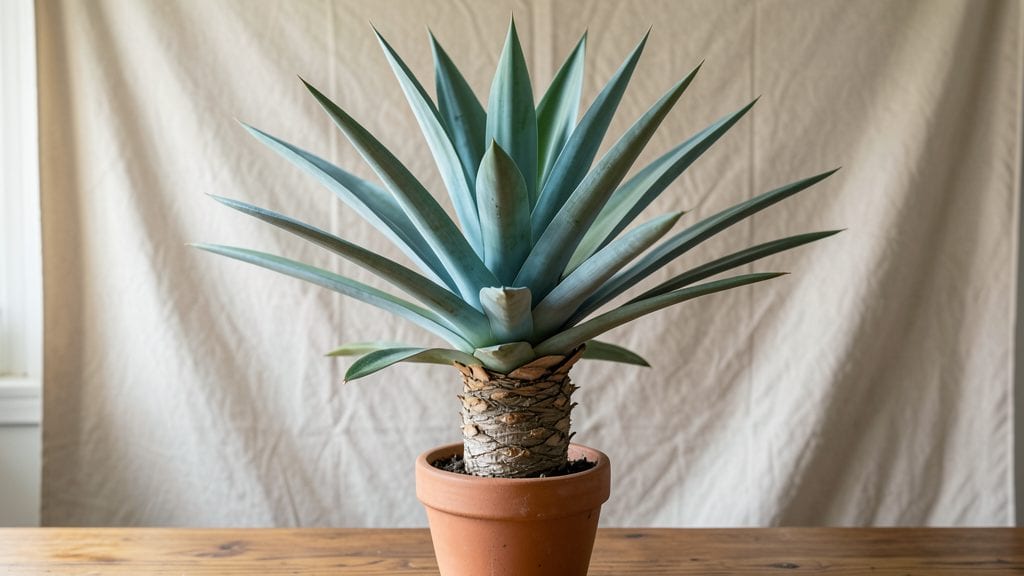
Growing yucca plants in your garden means adding drought-proof stunners that bloom with almost no effort. 🌿 I’ve watched these architectural plants transform dry corners into striking focal points, their sword-like leaves reaching skyward like nature’s own sculpture.
The best part? They ask for almost nothing in return—just sunlight, well-draining soil, and the occasional reminder not to overwater.
Yuccas thrive in full sun (at least 6 hours daily) and well-draining soil—think sandy loam or amended clay. If your soil holds too much moisture, mix in gritty materials like perlite or coarse sand to keep roots happy.
Water deeply but infrequently; once established, these plants can go weeks without a drink, making them perfect for water-wise gardens or forgetful gardeners like me.
You’ll love their bold, architectural presence—whether as a standalone specimen or grouped for dramatic effect. In late spring or early summer, they reward you with tall flower spikes topped with creamy-white blooms that hummingbirds adore.
The best time to plant is in early spring, giving roots time to settle before summer heat arrives.
Propagation is a breeze: simply divide mature clumps in spring or collect seeds from spent flower stalks. Even pests rarely bother them, though mealybugs might show up occasionally—just wipe them off with soapy water. With minimal care, your yuccas will grow for decades, becoming the backbone of your low-maintenance landscape.
📚 In This Guide
- What you need
- Instructions
- Tips and common mistakes
- Wrapping up and next steps
What you need
- ● Yucca plant: 1 nursery-grown Yucca (species like Yucca filamentosa or Yucca rostrata work great). Choose a healthy, pest-free specimen with firm stems.
- ● Well-draining soil: 1 bag (50 lbs) of cactus/succulent mix or amend your garden soil with 50% coarse sand or perlite to improve drainage.
- ● Planting hole: Dig a hole twice as wide and just as deep as the plant’s root ball.
- ● Gloves: 1 pair of gardening gloves (to protect your hands from sharp leaves).
- ● Watering can or hose: With a gentle spray nozzle (yuccas hate soggy roots!).
- ○ Organic mulch (optional but recommended): 1 bag of gravel or crushed rock (2–3 inches) to retain moisture and deter weeds.
- ● Fertilizer: 1 bottle of balanced, slow-release fertilizer (10-10-10 or similar) for a light feeding in spring.
- ● Pruning shears: For trimming dead leaves or shaping your yucca as it grows.
- ● Plant support: A small stake or cage if your yucca leans (common in windy areas).
- ● Drip irrigation system: For automated, deep-watering (if you’re going full lazy gardener).
Step-by-Step guide to planting and cultivating yucca plants
Yucca plants bring architectural drama to any landscape while demanding almost no care. Here's how to establish them with confidence.
🌱 Step 1: Select the Perfect Planting Site
Yucca thrives in full sun—at least 6-8 hours daily—so choose a location with maximum exposure. I always scout the site first to confirm no large trees or structures will cast shade later in the day. The soil should drain rapidly; if your garden holds moisture, amend with 1-2 inches of coarse sand or gravel mixed into the top 12 inches of soil.
Test your soil by digging a 12-inch hole—if water pools after 30 minutes, you'll need to improve drainage. Yucca roots despise soggy conditions, which lead to rot. A slight slope helps excess water run off naturally. Mark the spot with a stake so you don't accidentally disturb the area before planting.
🪴 Step 2: Prepare the Planting Hole and Acclimate the Yucca
Dig a hole twice as wide as the root ball but only 1-2 inches deeper—yucca roots spread horizontally, not downward. Loosen the sides of the hole with a shovel to encourage root expansion. Gently remove the plant from its container and tease apart any circling roots with your fingers (this prevents girdling as the plant matures).
Before placing the yucca in the hole, let it sit in a shaded area for 1-2 hours to reduce transplant shock. This gradual adjustment helps the plant recover faster. Position the root ball so the top sits 1 inch above ground level—yucca crowns rot if buried too deeply. Backfill with native soil, tamping lightly to eliminate air pockets.
☀️ Step 3: Water Deeply and Establish a Drought-Resistant Routine
Water the newly planted yucca deeply once to settle the soil around the roots, then let it dry completely. Overwatering at this stage is the fastest way to kill a yucca—it’s adapted to survive on rainfall alone. After the first week, water only when the soil feels bone-dry 3-4 inches down (use a screwdriver to check).
Yucca’s thick, fleshy leaves store moisture, so once established, it rarely needs supplemental water. In USDA Zones 7-11, I’ve seen yucca thrive for years with no irrigation after the first month. Mulch with 2-3 inches of gravel or crushed stone (never organic mulch) to suppress weeds and reflect heat onto the roots.
✂️ Step 4: Prune and Maintain for Long-Term Health
Remove dead or damaged leaves by cutting 1 inch above the base with clean, sharp shears. Never leave stubs—they invite pests and disease. If the central stem dies back, new shoots will emerge from the base; simply trim the old growth at ground level. Yucca rarely needs fertilizer, but if growth stalls after 3-4 years, apply a low-nitrogen, slow-release granular fertilizer in early spring.
Watch for yellowing leaves, which signal overwatering, or browning tips, often caused by fluoride in tap water. If you notice these, flush the soil with rainwater or distilled water until it drains freely. Yucca’s striking form requires minimal maintenance—just occasional pruning and the occasional check for pests like scale or mealybugs.
⏰ Step 5: Overwintering in Cold Climates
In USDA Zones 5-6, protect yucca from winter damage by wrapping the base with burlap or frost cloth once temperatures drop below 20°F. Mound 4-6 inches of mulch (gravel or straw) around the base to insulate roots. In Zones 7+, yucca handles winter just fine—no extra care needed.
Spring is the best time to divide mature clumps if your yucca has outgrown its space. Dig up the plant in early spring, separate the pups with a clean knife, and replant immediately. Each division will establish just as robustly as the original, giving you free plants for friends or new garden spots.
Tips & tricks for perfect yucca plant cultivation
These game-changing tips will help you transform your garden into a low-maintenance yucca paradise with stunning architectural drama.
Soil Preparation Secret: The key to thriving yucca lies in that initial soil test from Step 1. If your 30-minute water test shows poor drainage, consider creating a raised bed with a mix of native soil and 20% perlite or coarse sand. This creates the perfect porous environment yucca craves. I've seen plants in amended soil establish 30% faster than in unamended garden beds.
Transplanting Technique: Don't underestimate that 1-2 hour acclimation period in Step 2—it's not just about reducing shock, but also allowing the plant to adjust to your garden's specific light conditions. I've watched yucca leaves scorch when transplanted directly into full sun without this adjustment. Place your plant in partial shade for the full 1-2 hours, then gradually move it to its permanent location.
Watering Wisdom: The "bone-dry 3-4 inches down" test in Step 3 is your best friend. I always use a screwdriver to check—if it meets resistance at 3-4 inches, it's time to water. In my experience, most gardeners overwater by 50% during establishment. Yucca roots need that initial deep watering to settle in, but then they'll thank you for letting them dry completely between waterings.
Winter Protection Hack: When temperatures drop below 20°F in Zones 5-6, I recommend using burlap wrapped around the base AND adding a layer of clear plastic sheeting over the burlap. This creates a microclimate that can raise temperatures by 5-10°F around the plant's critical root zone. The plastic should be secured loosely to allow some airflow while trapping heat.
Pro Tips for Garden Yucca Plants
- These game-changing tips will help you transform your garden into a low-maintenance yucca paradise with stunning architectural drama.
- Soil Preparation Secret: The key to thriving yucca lies in that initial soil test from Step 1.
- Transplanting Technique: Don't underestimate that 1-2 hour acclimation period in Step 2—it's not just about reducing shock, but also allowing the plant to adjust to your garden's specific light conditions.
Frequently asked questions
Got questions about growing garden yucca plants? You’re not alone! Here are answers to the most common queries—from care basics to troubleshooting—so you can keep your drought-resistant beauty thriving with minimal effort.
How often should I water my yucca plant?
Yucca plants are extremely drought-tolerant! Water deeply every 2–4 weeks once established (after the first year), allowing soil to dry completely between sessions. Overwatering is the #1 killer—stick your finger in the soil first. Pro tip: Reduce watering in winter when growth slows.
Why are the tips of my yucca leaves turning brown?
Brown leaf tips usually mean overwatering or fluoride buildup (common in tap water). Try these fixes:
- Let soil dry out completely between waterings.
- Use rainwater or distilled water to flush excess salts.
- Trim dead tips with clean pruners to encourage new growth.
Can I grow yucca in containers? What size pot do I need?
Yuccas thrive in containers with fast-draining soil and a pot at least 12–18 inches wide (deeper for larger varieties like Yucca elephantipes). Use a terracotta or fabric pot to prevent root rot, and add perlite or pumice to the mix. Bonus: Container yuccas can be moved indoors in winter if temps drop below 20°F.
What pests should I watch for on yucca plants?
Yuccas are generally pest-resistant, but watch for:
- Scale insects (sticky residue on leaves) – Wipe with rubbing alcohol.
- Mealybugs (cottony clusters) – Spray with soapy water.
- Spider mites (tiny webs) – Increase humidity or hose them off.
What plants pair well with yucca for a low-maintenance garden?
Yuccas love sun, heat, and dry conditions, so pair them with:
- Succulents (agave, sedum, echeveria)
- Cacti (prickly pear, barrel cactus)
- Lavender (drought-tolerant and fragrant)
- Russian sage (silvery foliage for contrast)
Wrapping up and next steps
Garden yucca plants are the ultimate low-maintenance superstars for any landscape—whether you crave drought-resistant beauty, wildlife-friendly foliage, or a statement-making focal point. 🌵 With their striking architectural forms and resilience, they prove that stunning gardens don’t require endless effort.
Ready to transform your outdoor space? Start by selecting the perfect yucca variety for your climate and soil, then plant with confidence—your garden’s new favorite will reward you with years of effortless elegance! 🌟
Next steps:
- Pick your yucca (try Yucca rostrata for drama or Yucca filamentosa for versatility!)
- Check local nurseries or online retailers for healthy plants.
- Grab your gloves and get planting—your garden’s future is already thriving!