Companion Plants
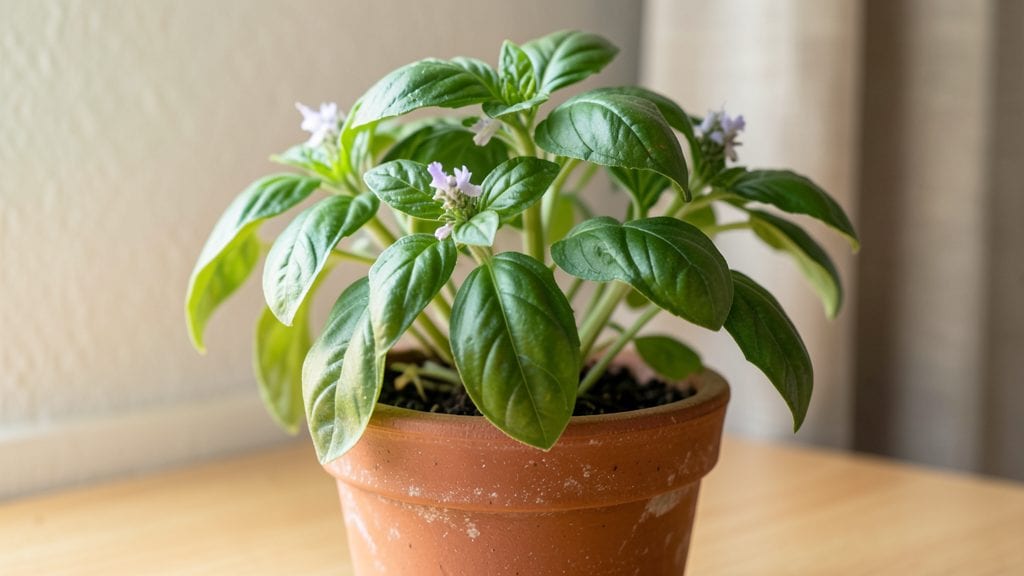
Growing basil plants in containers is the fastest way to turn your balcony into a fragrant, productive kitchen garden. 🌱 I still remember the first time I pinched off a leaf and the scent filled my whole apartment—it’s that good.
The secret isn’t fancy equipment; it’s matching basil’s love of warmth, sunlight, and consistent moisture with what your space can actually provide.
You’ll need a container at least 6 inches deep, well-draining potting mix, and a spot that gets 6-8 hours of sunlight daily. Most people overwater or underlight their basil, which is why so many struggle—this guide fixes both problems.
Once you get the balance right, you’ll be harvesting leaves in just 3 weeks and full-sized plants by month three.
The payoff is real: tender, glossy leaves that taste like nothing from the store, plus the ability to grow varieties like Genovese or Thai basil that disappear from shelves by summer.
Pinch back the tops early to encourage bushier growth, and you’ll have a plant that keeps producing all season long. Here’s how to make it happen without the common pitfalls.
Works for apartment balconies, sunny windowsills, or even a sunny patio corner—no yard required. The same principles apply whether you’re growing one pot or a whole herb garden. Let’s get those containers planted right.
📚 In This Guide
- What you need
- Instructions
- Tips and common mistakes
- Wrapping up and next steps
What you need
- ● Basil seeds or seedlings: 6-10 seeds (or 2-3 healthy seedlings for faster results). Choose sweet basil, Thai basil, or purple basil for variety!
- ● Containers: 5-7 inch pots (or larger for multiple plants). Ensure they have drainage holes to prevent root rot.
- ● Potting mix: Well-draining, organic mix (avoid garden soil—it compacts too easily!). A 5-gallon bag covers 3-4 pots.
- ● Watering can or spray bottle: With a gentle nozzle to avoid disturbing seedlings.
- ● Sunlight access: 6+ hours of direct sunlight daily (south-facing window, balcony, or greenhouse).
- ○ Fertilizer (optional but recommended): Balanced liquid fertilizer (10-10-10) or compost tea for organic growth.
- ● Slow-release granules (like osmocote) for convenience.
- ● Gloves: Gardening gloves to protect hands from dirt and sap.
- ● Pruning shears: Sharp, clean scissors for harvesting and trimming.
- ○ Mulch (optional): Straw or shredded leaves to retain moisture and suppress weeds.
- ○ Support (optional): Small stakes or cages if basil grows tall (great for Thai basil!).
- ○ pH testing kit (optional): To check soil pH (ideal: 6.0-7.0)—basil thrives in slightly acidic to neutral soil.
Step-by-step instructions for growing basil in containers
Here's my foolproof method for growing basil that's ready for harvest in just three months.
🌱 Step 1: Choose and Prepare Your Containers
Basil thrives in containers that are at least 6 inches deep with drainage holes—no exceptions. I use the 4 ceramic pots from your list because their unglazed surfaces wick away excess moisture, which prevents root rot. Place a small piece of broken pottery over each hole to keep soil in while letting water drain freely.
Fill each pot with 1 gallon of potting mix (the 1 gallon potting mix you have). Press it down lightly so it's firm but not compacted. The goal is a mix that holds moisture but doesn't stay soggy. Tap the pot gently on the table once or twice to settle the soil evenly—this prevents air pockets that can stunt root growth.
🌿 Step 2: Plant Basil Seeds or Transplants
If using seeds, sprinkle 3-4 seeds per pot at a depth of ¼ inch—about the width of a pencil eraser. Cover lightly with a thin layer of the remaining potting mix. For transplants, dig a hole the same depth as the root ball and place the seedling in gently. I always use the 4 basil plants from your list because they're already strong starters.
Water immediately after planting until moisture seeps out the drainage holes. This ensures the soil makes full contact with the roots. If you're planting seeds, place the pots in a warm spot (around 70-75°F) and cover them with a clear plastic dome or wrap to retain humidity. You'll see sprouts in 7-14 days—don't rush this step.
☀️ Step 3: Provide Light and Water Consistently
Basil needs 6-8 hours of direct sunlight daily. Place your pots in the sunniest spot you have—south-facing windows or a balcony work best. If your space is shady, supplement with a grow light kept 4-6 inches above the plants for 12-14 hours daily. You'll know your basil is getting enough light when the leaves are dark green and compact, not stretched out.
Water when the top inch of soil feels dry. Stick your finger in the soil—if it's dry at that depth, it's time to water. Use room-temperature water and water at the base of the plant to avoid wetting the leaves, which can cause fungal issues. I like to water in the morning so the plants dry out during the day.
✂️ Step 4: Prune and Harvest Regularly
Start harvesting when the plants reach 6 inches tall. Pinch off the top set of leaves with your fingers to encourage bushier growth. This is called pinching, and it's the secret to getting more leaves over time. You'll see new side shoots forming within 1-2 weeks—that's your basil telling you it's happy.
Harvest leaves regularly by cutting just above a pair of leaves. This keeps the plant productive and prevents it from flowering too soon. If you see flower buds forming, snip them off immediately—they make the leaves bitter. With the 4 basil plants you have, you'll get continuous harvests for 3-4 months if you keep up with pruning.
🪴 Step 5: Fertilize and Maintain Through the Season
After the first month, feed your basil with the 1 packet of balanced fertilizer you have. Mix it according to the package instructions and apply it every 4-6 weeks during the growing season. Basil is a heavy feeder, so don't skip this step—it's what keeps your plants lush and productive.
Watch for pests like aphids or whiteflies. If you see them, spray the leaves with a mix of 1 part water and 1 part rubbing alcohol (use the 1 bottle of rubbing alcohol you have). This natural solution kills pests without harming your plants. With proper care, your basil will stay healthy and ready for harvest all season long.
Tips & tricks for thriving container basil
These simple strategies will help you grow basil that's lush, productive, and ready for harvest in just three months—no green thumb required.
Container Selection: The 6-inch depth requirement isn't arbitrary—it gives roots room to spread while preventing overcrowding. I've found that ceramic pots work best because their unglazed surfaces help regulate moisture, but plastic pots with drainage holes also work if you're careful about watering. If you don't have broken pottery for drainage holes, crumpled aluminum foil works just as well to keep soil in while allowing water to escape.
Lighting Strategy: Those 6-8 hours of direct sunlight are non-negotiable for flavorful basil. If your space gets less than 6 hours of sunlight, supplement with a grow light kept 4-6 inches above the plants for 12-14 hours daily. I've seen basil stretch toward light when it's not getting enough, which makes the leaves thin and less flavorful. Rotate your pots every few days so all sides get equal light exposure.
Watering Wisdom: The finger test for the top inch of soil is foolproof, but timing matters too. Watering in the morning gives plants all day to dry out, which prevents fungal diseases. I've learned this the hard way—wet leaves at night create the perfect environment for mold. Also, always water at the base to keep leaves dry, which helps prevent those pesky fungal issues.
Pruning Payoff: Pinching those top sets of leaves when plants reach 6 inches might seem counterintuitive, but it triggers bushier growth. I've seen basil plants go from sparse to lush within just 1-2 weeks after pinching. And those side shoots that form? They're your future harvests! Just remember to cut just above a pair of leaves to encourage more branching.
Pro Tips for Gardening Basil Plants
- These simple strategies will help you grow basil that's lush, productive, and ready for harvest in just three months—no green thumb required.
- Container Selection: The 6-inch depth requirement isn't arbitrary—it gives roots room to spread while preventing overcrowding.
- Lighting Strategy: Those 6-8 hours of direct sunlight are non-negotiable for flavorful basil.
Frequently asked questions
Got questions about growing basil like a pro? You’re in the right place! Here are answers to the most common queries—from timing to troubleshooting—so you can enjoy fresh, fragrant basil in no time.
How long does it take for basil to grow from seed?
Basil seeds typically sprout in 7–14 days under warm conditions (70–80°F). Once planted, expect 6–8 weeks to harvest leaves from seedlings, but container-grown basil can mature faster with proper care. For quicker results, opt for young transplants from a nursery!
When is the best time to plant basil outdoors?
Wait until after the last frost (when soil temps hit 50°F+) and nighttime temps stay above 55°F. Basil hates cold—plant in spring or early summer for ideal growth. In warm climates, you can also grow it in fall for a second harvest!
Can I grow basil indoors without sunlight?
Basil needs 6–8 hours of sunlight daily, but a south-facing window or grow lights (12–16 hrs/day) works indoors. Without sunlight, stems stretch (called "legginess") and leaves turn pale. A sunny balcony or grow tent is your best bet!
Why are my basil leaves turning yellow or curling?
Yellowing leaves often signal overwatering or fungal issues (like downy mildew). Curling can mean pests (aphids, spider mites) or heat stress. Check soil moisture, inspect undersides of leaves, and ensure good airflow. Prune affected areas and treat with neem oil if needed.
What can I do with too much basil?
Don’t let your bounty go to waste! Freeze leaves in oil or ice cube trays, dry them for pesto, or share with neighbors. Basil also preserves well in vinegar (perfect for homemade dressings) or as a flavorful tea. Get creative—basil pairs with everything!
Does basil need special soil?
Basil thrives in well-draining, fertile soil with a pH of 6.0–7.0. Mix potting soil with compost or coconut coir for moisture retention. Avoid heavy clay soils—basil hates soggy roots! A container with drainage holes is ideal for preventing root rot.
Wrapping up and next steps
Growing your own basil is a rewarding journey that brings fresh, vibrant flavors straight to your kitchen—and your plate! 🌿 With the right container, soil, and care, you can enjoy a thriving harvest in just three months.
Whether you’re a beginner or a seasoned gardener, basil’s versatility makes it the perfect companion plant to elevate your cooking and brighten your space.
Ready to take the next step? Start small—pick a sunny spot, grab your seeds or seedlings, and dive in! Soon, you’ll be savoring homegrown basil in pesto, salads, or teas. Happy gardening! 🌱✨