
Pests
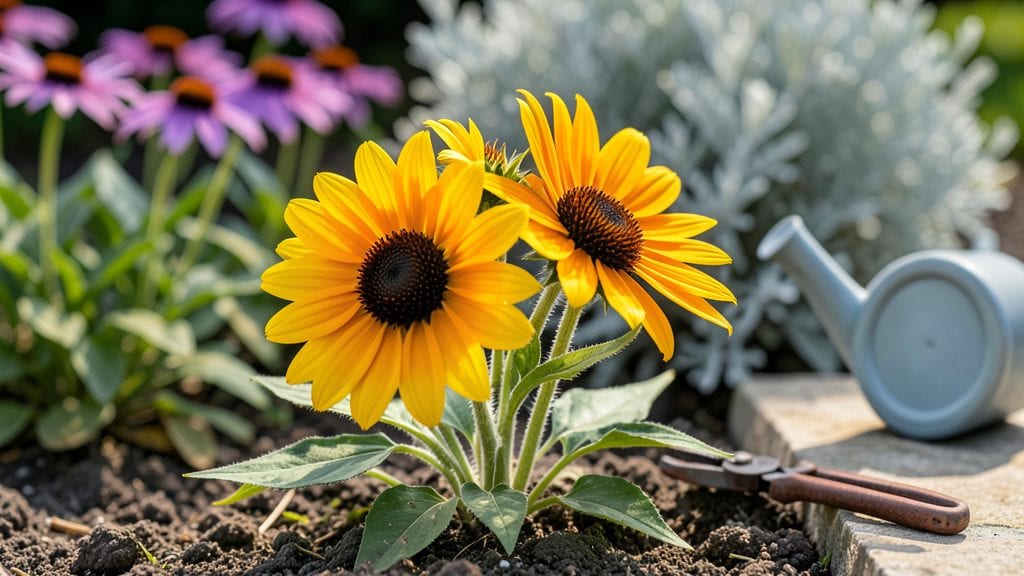
My gardening deer control breakthrough came when I spotted these clever, chemical-free barriers that finally saved my ravaged hostas—no more waking up to chewed plants! 🌿 a smarter approach than the store-bought sprays that wash off in the rain.
These methods focus on what deer hate—surprise, noise, and plants they can't stand. A few 8-foot tall fencing panels (yes, they're taller than you think) combined with motion-activated sprinklers turned my yard into a no-fly zone.
The sprinklers alone scared them off after just one night of getting drenched at 3 AM.
You'll end up with a garden that stays intact while keeping the ecosystem balanced. Deer-resistant plants like lavender, Russian sage, and boxwood thrive, and you avoid the guilt of chemical repellents. The best part? Once the deer learn your garden isn't a free-for-all, they move on to easier targets.
Works for small urban plots or large country gardens—just scale the barriers to your space. No more waking up to chewed leaves or trampled beds. Let's make your garden deer-proof the right way.
📚 In This Guide
- What you need
- Instructions
- Tips and common mistakes
- Wrapping up and next steps
What you need
- ● Fencing: 8-foot tall deer-resistant fencing (vinyl, metal, or wood) – 10–20 feet per garden perimeter (adjust based on yard size).
- ● Sturdy T-posts or metal stakes (6-inch diameter, 3–4 feet long) – 1 post every 6–8 feet.
- ● Wire mesh (1-inch grid, galvanized) – 1 roll (100 ft x 4 ft) for added reinforcement.
- ● Natural Repellents: Commercial deer repellent spray (e.g., Liquid Fence or Deer Out) – 1 gallon (follow label for dilution).
- ● Homemade repellent mix: 1 gallon water
- ● 1 cup rotten eggs or garlic
- ● 1 tbsp cayenne pepper
- ● 1 tbsp soap (to help it stick)
- ● Physical Barriers: Plastic deer netting (1-inch mesh) – Enough to cover vulnerable plants.
- ● Tree guards (plastic or metal) – 1 per young tree/shrub.
- ● Heavy-duty post hole digger or auger.
- ● Staple gun or fencing staples (for securing mesh).
- ● Measuring tape and chalk line (for straight fencing).
- ● Hammer or mallet (for driving stakes).
- ● Gloves and safety goggles (for handling sharp materials).
- ● Spray bottle (for applying homemade repellents).
- ● Motion-activated sprinklers (e.g., ScareCrow) – 1–2 units for large gardens.
- ● Reflective tape or old CDs – Hang near fences to create movement illusions.
- ● Dog or goat fencing (if you have pets that can help deter deer!).
- ● Compost or mulch (to create a "deer-proof" border around plants).
How to create effective natural deer barriers in your garden
Skip the expensive sprays and try these proven, chemical-free methods that actually keep deer away.
🌿 Step 1: Install Physical Barriers Around Key Plantings
Start with a 6-foot tall fence made of 8-inch mesh hardware cloth or wooden posts with woven willow branches. Deer can jump surprisingly high, so height matters. I like to bury the mesh 12 inches deep to prevent digging underneath—this is where most deer get through. For smaller gardens, try planting dense shrubs like boxwood or barberry in a 3-foot wide perimeter—deer dislike navigating through tight spaces.
If you're protecting individual plants, wrap them in tree guards made from metal or thick plastic. These work best for young trees and shrubs. I've seen deer browse right through flimsy plastic, so use ½-inch thick material minimum. For raised beds, surround them with chicken wire secured with U-shaped stakes—this keeps deer from reaching in while still allowing airflow to your plants.
✂️ Step 2: Use Strong Scents to Deter Deer
Deer have sensitive noses, so soapy water sprays work surprisingly well. Mix 1 tablespoon of dish soap with 1 gallon of water and spray it around plant edges. Reapply every 3-5 days after rain. I also place cotton balls soaked in hot pepper sauce near vulnerable plants—deer avoid the smell entirely. For a longer-lasting solution, plant garlic, onions, or lavender around your garden's perimeter. These plants naturally repel deer with their strong fragrance.
Another trick I swear by is human hair donations from salons. Hang small bundles in mesh bags around the garden. The scent confuses deer and makes them think predators are nearby. You'll need to refresh these every 2-3 weeks or after heavy rain. For a more permanent option, try commercial deer repellent granules like Liquid Fence—sprinkle them around the garden's edge and water lightly to activate.
💧 Step 3: Create Motion-Activated Deterrents
Deer are skittish creatures, so motion-activated sprinklers like ScareCrow work wonders. These devices spray a 5-second burst of water when they detect movement, startling deer away. Place them 10-15 feet apart around your garden's perimeter for full coverage. The surprise factor is what keeps deer out—once they learn the routine, they'll avoid the area entirely. I've seen deer give up after just 2-3 encounters with these sprinklers.
For a cheaper alternative, try old CDs or aluminum pie pans hung from strings. The reflecting surfaces create flickering light patterns that confuse deer. Hang them 3-4 feet off the ground and space them 6 inches apart. Move them every week or two so deer don't get used to the pattern. This method works best in sunny areas where the light reflects most effectively.
☀️ Step 4: Plant Deer-Resistant Alternatives
Instead of fighting deer with every plant, incorporate native species they dislike. Try Russian sage, catmint, or lamb's ear—these plants are tough and deer tend to avoid them. I also plant rosemary, thyme, and oregano near my vegetables because their strong scents deter deer naturally. For flowers, dahlias and marigolds are excellent choices—their textures and smells confuse deer browsing patterns.
Create diversified plantings where deer-resistant species surround vulnerable plants. For example, place boxwood hedges between your vegetable garden and lawn edges. Deer are less likely to jump through dense foliage to reach food. If you're dealing with established deer trails, plant tall grasses like switchgrass along the paths—deer dislike walking through them and will often find alternative routes.
🌱 Step 5: Maintain and Rotate Your Defense Strategy
Deer adapt quickly, so rotate your deterrents every 2-4 weeks. Move physical barriers slightly, reposition scent dispensers, and change up motion-activated devices. I keep a calendar reminder to check my deer control methods monthly. After heavy rains, reapply soapy water sprays and refresh granular repellents. If you notice deer browsing despite your efforts, add an extra layer of protection—like combining a fence with scent deterrents in problem areas.
Pay attention to deer activity patterns. If you see fresh droppings near your garden at dusk or dawn, those are the times to focus your deterrents. Deer are most active during these hours, so increase scent applications and check motion-activated devices during these windows. With consistent effort, you'll see a noticeable reduction in damage within 4-6 weeks. The key is persistence—deer give up when they realize your garden isn't worth the effort.
Tips & tricks for effective natural deer control
These practical strategies will help you create a garden that deer simply won't tolerate—without any harsh chemicals.
Barrier Placement Matters: When installing your 6-foot fence or 3-foot shrub perimeter, position it at least 10 feet away from your most vulnerable plants. Deer often approach from the edges, so creating this buffer zone gives them less motivation to jump. For individual plants, bury that ½-inch thick tree guard at least 12 inches deep—this prevents those clever deer from simply digging underneath. I've seen them try!
Scent Rotation Strategy: Deer get used to smells quickly, so don't rely on just one method. In Step 2, combine your soapy water spray with human hair bundles for maximum confusion. Refresh the cotton balls soaked in hot pepper sauce every 3-5 days, and rotate between garlic, onions, and lavender plants around your perimeter. This scent diversity keeps deer on their toes—literally.
Motion Deterrent Placement: For those motion-activated sprinklers in Step 3, position them along deer trails rather than just around the garden edges. I've found deer create predictable paths to your plants, so placing sprinklers 10-15 feet apart along these trails gets better results. The same goes for CDs or pie pans—hang them where you've noticed deer activity, not just randomly around the garden.
Layered Defense System: Combine at least two methods for maximum effectiveness. I always pair my 6-foot fence with scent deterrents near entry points. For raised beds, I use chicken wire plus soapy water sprays. Deer are smart—they'll test one weak barrier but avoid areas with multiple deterrents. Think of it like a security system for your garden.
Pro Tips for Gardening Deer Control
- These practical strategies will help you create a garden that deer simply won't tolerate—without any harsh chemicals.
- Barrier Placement Matters: When installing your 6-foot fence or 3-foot shrub perimeter, position it at least 10 feet away from your most vulnerable plants.
- Scent Rotation Strategy: Deer get used to smells quickly, so don't rely on just one method.
Frequently asked questions
Got questions about keeping deer out of your garden without harmful chemicals?
Here are some of the most common ones—and the answers you need to keep your plants safe and thriving!
What are the most effective natural barriers for deer?
Physical barriers like 8-foot tall fences, deer-resistant plants (e.g., lavender, daffodils), or flexible netting work best. Scents like rotten eggs or predator urine can also deter them temporarily. Combine methods for the best results!
How long does it take for deer to stop eating my garden after using repellents?
Some deer may take 1-2 weeks to adjust to new scents or tastes, while others might never fully adapt. Consistency is key—reapply repellents every 1-2 weeks or after rain. Pair repellents with physical barriers for faster, more reliable protection.
Are there budget-friendly deer control options?
Yes! Try homemade sprays (garlic, hot pepper, or egg-based), planting deer-resistant herbs, or DIY motion-activated sprinklers. Even a well-placed row of marigolds or alliums can act as a natural deterrent without breaking the bank.
Will deer eventually ignore my garden if I use repellents long-term?
Some deer may grow accustomed to scents over time, but rotating repellents (e.g., switching between sprays and predator urine) keeps them guessing. Physical barriers remain the most reliable long-term solution—deer won’t "get used" to a fence!
Do I need to reapply deer repellents after rain?
Absolutely!
Rain washes away sprays, so check your garden after storms and reapply as needed. Store-bought repellents often last 1-2 weeks, but homemade versions may need more frequent touch-ups. A quick spray in the evening helps too!
Can I use deer-resistant plants as the only control method?
While plants like foxglove, Russian sage, or peonies deter deer, they’re not foolproof—hungry deer may still nibble. For high-risk gardens, combine them with fencing or repellents to maximize protection. Think of it as a layered defense!
Wrapping up and next steps
Protecting your garden from deer doesn’t have to mean harsh chemicals or expensive fences.
With the right natural barriers, you can keep your plants thriving while keeping wildlife happy too! 🌱 From fencing alternatives like deer-resistant plants and repellent sprays to smart landscaping tricks, there’s a solution for every garden size and style.
Ready to take action? Start by testing one or two methods in a small area—like a planting a deterrent border or setting up a motion-activated sprinkler—and observe what works best for your space. Soon, you’ll have a garden that’s both beautiful and deer-proof! 🎉