
Landscaping
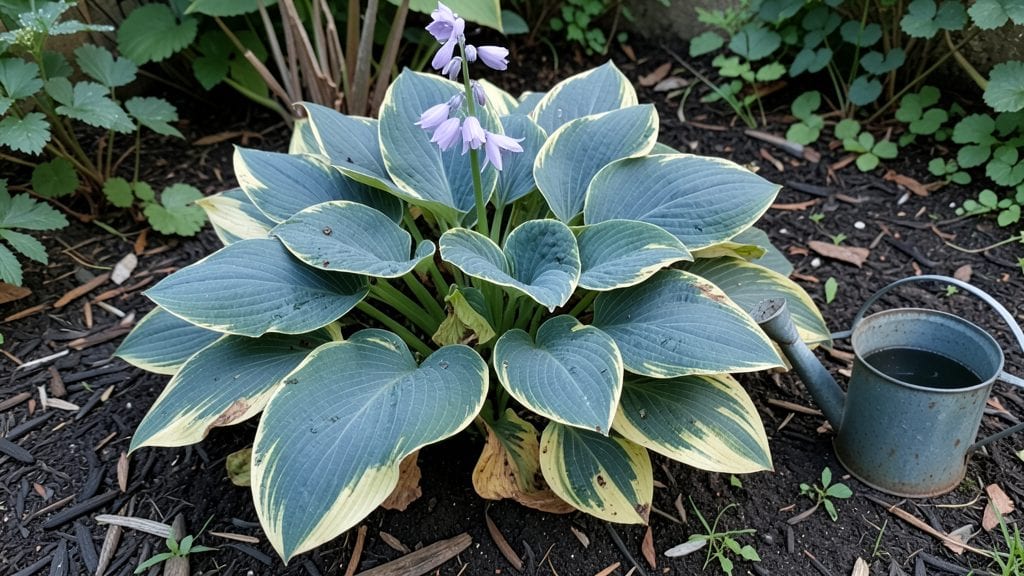
Gardening in New England means working with nature's toughest conditions—but that's exactly why the results feel so rewarding. 🌱 I've learned that the right plants turn early springs and late frosts into advantages, not obstacles.
The key is choosing cold-hardy varieties that push through snowmelt and still deliver stunning blooms or bountiful harvests.
My go-to list includes coneflowers that bounce back after winter, kale that sweetens with frost, and shrubs like potentilla that burst with color when others are still dormant. These plants thrive in Zones 3-7, where winter isn't just a challenge—it's part of the growing process.
The secret isn't fighting the climate but working with it, from selecting perennials that return year after year to planning succession crops that stretch the season.
You'll end up with a garden that stays vibrant even when neighbors are still shoveling snow. The foliage stays lush through summer heatwaves, the blooms arrive earlier than store-bought annuals, and you'll harvest vegetables long after most gardens have gone quiet.
It's gardening that feels resilient, not just decorative—where every season has its own kind of beauty.
Whether you're dealing with rocky soil, short growing seasons, or deer pressure, these plants adapt while still delivering the results you want. The techniques here work for both first-time gardeners and those looking to refine their cold-climate approach. Let's get those cold-hardy plants in the ground!
📚 In This Guide
- What you need
- Instructions
- Tips and common mistakes
- Wrapping up and next steps
What you need
- ● Cold-Hardy Seeds or Plants: Perennials: Hostas, Heucheras, Lavender, Russian Sage, Coneflowers (Echinacea) (3–5 plants per variety)
- ● Vegetables: Kale, Spinach, Swiss Chard, Broccoli, Potatoes, Onions (start with 10–20 plants or seeds)
- ● Shrubs: Boxwood, Holly, Viburnum, serviceberry (3–6 plants for hedges or borders)
- ● Trees: Maple, Oak, Birch, Apple (dwarf varieties) (1–3 trees, depending on space)
- ● Soil Amendments: Compost (5–10 gallons per 100 sq. ft.)
- ● Peat moss or coconut coir (for acidic-loving plants like blueberries)
- ● Organic mulch (straw, wood chips, or pine needles—1–2 inches thick)
- ● Tools: Garden fork (for aerating soil)
- ● Pruners (bypass or anvil—sharp and clean!)
- ● Trowel (for transplanting)
- ● Garden gloves (waterproof, heavy-duty)
- ● Wheelbarrow (for hauling soil/mulch)
- ● Watering can or hose with adjustable nozzle
- ● Row covers or frost blankets (for early spring/late fall protection)
- ● Drip irrigation system (saves time and water!)
- ● Soil pH tester (New England soil is often acidic—aim for 6.0–7.0 for most plants)
- ● Cold frames or raised beds (extend growing seasons)
- ● Bird feeders or predator deterrents (squirrels love your bulbs!)
- ● Sunlight Assessment: Map your yard’s sunlight (full sun ≥6 hrs/day, partial shade 3–6 hrs, full shade <3 hrs). New England’s short summers mean maximizing light is key!
- ● Drainage Check: Test soil drainage—New England’s clay-heavy soil can be tricky. Amend with sand or compost if water pools after rain.
- ● Local Climate Knowledge: Research your blank">USDA Hardiness Zone (most of New England is Zones 3–6). Plant accordingly!
- ● Patience & Planning: Cold-hardy gardens thrive with long-term care. Start small and expand as you learn!
How to select and plant cold-hardy perennials for New England gardens
New England’s short growing season demands smart choices—here’s how to pick resilient plants that return stronger each year.
🌱 Step 1: Choose Plants Rated for Your Hardiness Zone
New England spans zones 3-7, so verify each plant’s cold tolerance before buying. I always check the USDA Plant Hardiness Zone Map for my specific location—zone 5a in Vermont means I avoid tender annuals like geraniums. Focus on perennials like coneflowers (Echinacea), black-eyed Susans (Rudbeckia), and Russian sage (Perovskia)—they survive winters here without fuss.
Look for labels specifying "cold-hardy" or "zone 3-7". Native species like wild bergamot (Monarda fistulosa) and purple coneflower (Echinacea purpurea) thrive with minimal care. Avoid tropical plants; they’ll die back to the ground or worse. I keep a notebook of what survives my winters—this year’s coral bells (Heuchera) made it through -20°F with no protection.
☀️ Step 2: Time Planting for Fall or Early Spring
Fall planting (late August to October) gives roots time to establish before winter, while spring planting (April to early May) avoids late-season heat stress. I prefer fall because cooler air reduces transplant shock. Dig holes twice as wide as the root ball but only as deep—planting too deep suffocates roots. Amend the native soil with 2-3 inches of compost from your list to improve drainage and fertility.
Water deeply immediately after planting, then again in 3-5 days to encourage root spread. Mulch with 2-3 inches of shredded bark (from your supplies) to insulate roots in winter and retain moisture. Avoid piling mulch against stems—keep it 2 inches away to prevent rot. I mark each planting spot with a wooden stake labeled with the plant name and year for easy tracking.
💧 Step 3: Water Deeply but Infrequently After Establishment
Once established (after 1-2 growing seasons), most cold-hardy perennials need 1 inch of water weekly during dry spells. I use a rain gauge to track rainfall—if it’s been dry for 7-10 days, I water deeply in the early morning to reduce evaporation. Drip irrigation works best here; overhead watering encourages fungal diseases like powdery mildew, which thrives in New England’s humid summers.
Let the soil dry slightly between waterings—top 1-2 inches dry to touch—to prevent root rot. In winter, I avoid watering unless we have a prolonged thaw followed by a freeze. Overwatering in cold weather stresses plants. I’ve seen sedum (Stonecrop) and Russian sage survive years with almost no summer watering—they’re built for resilience.
✂️ Step 4: Prune in Late Winter or Early Spring
Wait until late February or March (after the worst cold snaps) to prune dead foliage. I cut back last year’s stems to 2-3 inches above the ground for most perennials, but orchard grass (Dichanthelium) and switchgrass (Panicum) can be left longer for winter interest. Never prune in fall—new growth won’t harden off before winter, and frost will kill it.
Remove only the dead or damaged stems—some plants like coneflowers have attractive seed heads that feed birds over winter. Sterilize pruners with rubbing alcohol between cuts to prevent spreading diseases. I always sharpen my pruners first; dull blades tear stems and invite infections. After pruning, add a 2-inch layer of compost around the base to replenish nutrients lost during dormancy.
🪴 Step 5: Divide Crowded Clumps Every 3-4 Years
Perennials like hostas, daylilies, and asters multiply underground, forming dense clumps that flower poorly. Dig up the entire plant in early spring or fall, then separate it into 3-5 inch sections with a clean knife. Each division should have 3-5 healthy shoots and a portion of the root system. Replant immediately at the same depth they grew before.
Dividing rejuvenates plants and gives you free extra stock for swapping with neighbors. I’ve divided peony clumps in fall and seen them bloom twice as heavily the following year. Water divisions deeply after planting, then mulch with 1-2 inches of shredded bark to retain moisture. Avoid dividing in summer—heat stress slows recovery.
Tips & tricks for perfect cold-hardy New England gardens
New England’s challenging climate rewards gardeners who understand its quirks—here’s how to give your perennials the best chance to thrive.
Zone Verification: Don’t just trust the label—cross-reference with the USDA Plant Hardiness Zone Map for your exact location. I’ve seen coral bells (Heuchera) survive -20°F in my Vermont zone 5a, but the same variety struggled in a neighbor’s zone 4b garden. Pro tip: Note your microclimate—south-facing beds warm up faster and can accommodate slightly tender plants.
Soil Prep Strategy: New England’s native soils often compact easily. Before planting, loosen the soil to 12 inches deep using a broadfork—this mimics natural root penetration. Mix in 2-3 inches of compost (as mentioned in Step 2) and consider adding sand or perlite if your soil feels heavy. I’ve found that amending clay-heavy soils with 1 part peat moss to 3 parts native soil dramatically improves drainage.
Mulching Mastery: The 2-3 inches of shredded bark recommended in Step 2 is perfect, but here’s the secret: refresh it annually in early spring. Over time, mulch breaks down and loses its insulating properties. I also avoid dense mulch piles—keep it 2 inches away from stems to prevent moisture buildup that leads to rot. For extra winter protection in zone 3-4, add a 4-inch layer of straw over the bark once temperatures drop below 10°F.
Pruning Precision: When cutting back in late February or March (Step 4), look for the crown bud—that’s where new growth emerges. For coneflowers (Echinacea), I leave 1-2 inches of old stems to mark the planting spot and provide winter interest. For orchard grass (Dichanthelium), I only trim the dead seed heads—never cut into the green growth. Sterilizing pruners between cuts (with rubbing alcohol) isn’t just for disease prevention—it keeps your tools sharp longer too.
Pro Tips for Gardening New England
- New England’s challenging climate rewards gardeners who understand its quirks—here’s how to give your perennials the best chance to thrive.
- Zone Verification: Don’t just trust the label—cross-reference with the USDA Plant Hardiness Zone Map for your exact location.
- Soil Prep Strategy: New England’s native soils often compact easily.
Frequently asked questions
Got questions about gardening in New England’s unique climate? You’re not alone! Here are answers to the most common queries—from frost-tolerant picks to seasonal hacks—so you can grow with confidence, even when the weather throws a curveball.
What are the best cold-hardy plants for New England’s short growing season?
New England’s zones 3–7 mean you’ll want perennials like coneflowers, hostas, and lavender, plus cool-season veggies (kale, spinach, peas). For year-round interest, try evergreens (juniper, pine) or hardy shrubs (butterfly bush, boxwood). Start with native plants—they’re low-maintenance and resilient!
When is the best time to plant in New England’s climate?
For spring planting, wait until after the last frost (typically mid-May in most regions). Fall planting (late August–September) gives roots time to establish before winter. Bulbs (like tulips or daffodils) can go in October. Pro tip: Use a soil thermometer—shoot for 40°F+ for seeds!
How do I protect my garden from New England’s harsh winters?
Start with mulch (3–4 inches) to insulate roots. Group plants in clumps to share warmth, and use burlap wraps or frost blankets for tender perennials. Evergreens? Shake off snow to prevent breakage. For containers, move them to a protected spot (garage, shed) or bury pots in the ground for extra insulation.
Can I garden successfully in New England with limited space (e.g., balconies or small yards)?
Opt for container gardening with dwarf varieties (e.g., ‘Tom Thumb’ tomatoes, ‘Patio’ peppers). Use vertical space (trellises for beans, hanging baskets for flowers). Even a windowsill herb garden (basil, parsley, chives) thrives in New England’s sun. Self-watering pots save time—perfect for busy gardeners!
What’s the biggest gardening mistake New Englanders make, and how do I avoid it?
The top blunder? Ignoring soil prep. New England’s clay-heavy or rocky soil drains poorly—amend with compost before planting. Another pitfall: overwatering in spring (wait until soil is 1–2 inches dry before watering). Test your soil (free kits at local extension offices!) and rotate crops to prevent disease.
Bonus Tip:
Need local expertise? Check out UMass Extension or New England Wild Flower Society for free workshops and plant swaps—community know-how beats guesswork every time!
Wrapping up and next steps
Gardening in New England doesn’t have to be a seasonal challenge—with the right cold-hardy plants and a little know-how, you can enjoy a vibrant, year-round garden that’s as resilient as it is beautiful.
From evergreen shrubs to perennial flowers and hardy vegetables, these plants prove that even the harshest winters can’t stop your green thumb! 🌿❄️
Now that you’re armed with the best plant picks and tips, it’s time to roll up your sleeves and get growing. Start small—whether it’s a single heather bush or a raised bed of kale—and let your garden evolve with confidence.
Happy planting, and may your New England garden flourish for seasons to come! 🌱💚
Next step:
- Sketch a simple garden layout
- Order seeds/plants from a trusted local nursery
- Mark your calendar for planting dates