
Advice
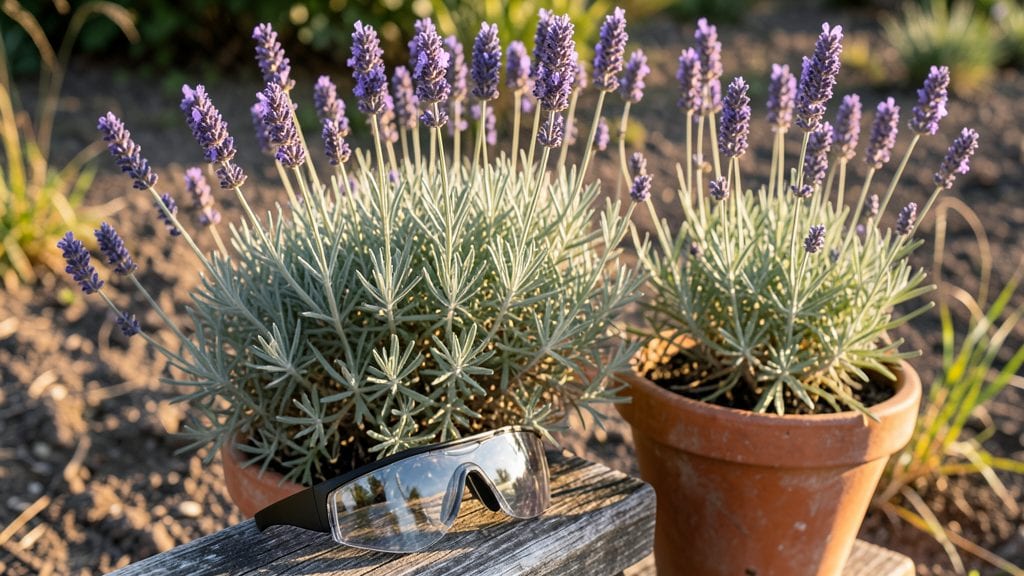
Gardening safety tips start with treating your tools and plants like a skilled mechanic treats their workshop—respect, not recklessness. I learned that the hard way when a rusty pruner slipped and sent me to the ER for stitches.
The right gear, proper technique, and a little foresight can turn your yard into a productive space instead of a trip hazard.
Your hands, skin, and joints take a beating from repetitive motions, sharp blades, and harsh chemicals. Heavy-duty gloves with reinforced palms prevent blisters, while closed-toe shoes shield feet from dropped tools.
And never skip sunscreen—even on cloudy days, UV rays age skin faster than you’d think. I’ve seen gardeners with sunburned arms in November because they forgot to reapply.
Seasonal risks change the game: frostbite lurks in winter when gloves get damp, while dehydration sneaks up in summer heat. Kids and pets add another layer—keep them away from sharp tools and toxic plants like oleander or foxglove.
A first-aid kit and sharp tool maintenance are non-negotiable for long-term gardening without regrets.
Legal standards like OSHA guidelines cover more than you’d expect—proper lifting techniques, chemical storage, and even noise levels from power tools. But the real secret? Slow down. Rushing leads to cuts, sprains, and long-term damage.
Your garden will still grow tomorrow if you take five minutes to check your setup today.
Hidden Hazards in Your Garden
Gardening might seem like a peaceful hobby, but beneath the beauty of blooming flowers and lush greenery lie several unseen risks that can turn a relaxing afternoon into a medical emergency.
Understanding why these dangers exist—and how they manifest—is the first step to preventing them. Here’s a breakdown of the most common causes and the science behind them.
Insects, ticks, and mites aren’t just nuisances—they’re carriers of disease and irritants that thrive in garden soil, plants, and water. Here’s why they’re so dangerous:
- Tick-borne illnesses: Ticks like Ixodes scapularis (black-legged tick) carry Borrelia burgdorferi, the bacterium responsible for Lyme disease. These ticks latch onto skin, inject saliva (which contains anesthetic and anticoagulants), and feed for days, increasing infection risk. 💡 Pro Tip: Ticks are most active in tall grass, leaf litter, and wooded edges—wear long sleeves and treat clothes with permethrin.
- Mosquito-borne diseases: Stagnant water in garden containers or low-lying areas becomes a breeding ground for Aedes and Culex mosquitoes, which transmit West Nile virus and Zika virus. Mosquitoes detect carbon dioxide and body heat, making gardeners prime targets. ✨ Prevention: Empty water-holding containers weekly and use EPA-approved repellents like DEET or picaridin.
- Plant parasites: Some pests, like chiggers (larval mites), burrow into skin to feed on lymph fluid, causing intense itching and secondary infections. Others, like fire ants, deliver venomous stings that can trigger allergic reactions.
Not all garden hazards are crawling or flying—some are hidden in the earth itself. Soil and plants contain natural compounds that can cause allergic reactions, skin irritation, or even poisoning.
- Allergic contact dermatitis: Plants like poison ivy (Toxicodendron radicans), poison oak, and poison sumac contain urushiol oil, a resin that triggers an immune response in ~85% of people. Even touching contaminated tools or pets can spread the oil. 🔥 Key Fact: Urushiol can remain active on surfaces for years.
- Toxic plants: Some garden favorites are highly toxic if ingested or handled improperly. For example:
- Foxglove (Digitalis purpurea) contains cardiac glycosides, which disrupt heart rhythm and can be fatal.
- Castor beans (Ricinus communis) produce ricin, one of the deadliest natural toxins.
- Daffodils (Narcissus spp.) contain lycorine, which causes vomiting and diarrhea if eaten.
- Fungal spores: Moldy soil or decomposing plant matter can release spores from Aspergillus or Histoplasma, causing respiratory infections or allergic reactions. 🌡️ Warning: Immunocompromised individuals are at higher risk.
Gardening tools are designed to make work easier, but misuse or poor technique turns them into sources of injury. Here’s how it happens:
- Sharp object accidents: Pruners, shears, and shovels have blade edges under 0.002 inches thick, making them capable of deep cuts. The American Society of Safety Engineers reports that 20% of garden-related ER visits involve lacerations from tools. 🎯 Safety Tip: Always cut away from your body and store tools with blades closed.
- Repetitive motion injuries: Tasks like digging, raking, or weeding involve repetitive twisting and bending, which can strain muscles and joints. The National Institute of Safety and Health links these motions to tendonitis, carpal tunnel syndrome, and lower back pain.
- Heavy lifting hazards: Moving bags of soil (which can weigh 40+ pounds) or hauling wheelbarrows improperly strains the lumbar spine. Poor posture while lifting increases disc herniation risk by up to 3x.
While you’re focused on your plants, your body is silently fighting environmental stressors that can lead to heatstroke, sunburn, or dehydration.
- UV radiation damage: The sun’s _UVA_ and _UVB_ rays penetrate skin, breaking down collagen and causing premature aging, sunburn, and skin cancer. A single severe sunburn in youth increases melanoma risk by 50%. 💡 Did You Know? Clouds filter only 20-50% of UV rays.
- Heat exhaustion and stroke: Gardening in 90°F+ temperatures can raise core body temperature dangerously fast. The _CDC_ reports that heat-related deaths rise when humidity exceeds 60%, as sweat evaporates less efficiently. Symptoms include dizziness, nausea, and confusion—often ignored until it’s too late.
- Dehydration: Losing just 1-2% of body water impairs concentration and motor skills. Since gardening burns 300-600 calories/hour, fluid loss happens faster than you think.
Now that you know the science behind the risks, the next step is learning how to protect yourself. Stay tuned for actionable safety strategies to keep your garden—and your body—thriving!
Quick Fixes for Common Garden Hazards
Gardening is rewarding, but it also comes with risks—from blistered hands to unexpected wildlife encounters. The good news? Most issues have simple, practical solutions. Below, we’ll match common problems with step-by-step fixes and prevention tips to keep your green space (and yourself) safe all season.
Whether it’s a thorn prick or a clumsy mishap with shears, minor cuts happen. Here’s how to handle them:
🩹 Immediate First Aid Steps
- Wash the wound 💦: Rinse with clean water and mild soap to remove dirt or debris.
- Apply pressure 🩹: Use a clean cloth or bandage to stop bleeding for 5–10 minutes.
- Cleanse with antiseptic 🧴: Use hydrogen peroxide or rubbing alcohol (if not too deep).
- Cover it up 🩹: Apply a sterile bandage or adhesive strip to protect the area.
🛡️ Prevention Tips
- Wear gloves 🧤: Opt for cut-resistant or padded gloves when handling sharp tools or prickly plants.
- Keep tools sharp ✂️: Dull blades require more force, increasing the risk of slips. Sharpen shears and pruners regularly.
- Store tools safely 🔧: Hang or rack tools in a dry place to prevent rust and accidental pokes.
Long hours under the sun can lead to painful sunburn or even heat exhaustion. Stay cool with these fixes:
🧴 Sunburn Relief
- Cool it down ❄️: Apply a cold, damp cloth or take a cool shower.
- Moisturize 🧴: Use aloe vera gel or a fragrance-free lotion to soothe skin.
- Stay hydrated 💧: Drink water, not alcohol or caffeine, which dehydrate you further.
- Avoid peeling 🚫: Let flaky skin fall off naturally—don’t pick at it!
🌞 Prevention Tips
- Wear sunscreen ☀️: Reapply SPF 30+ every 2 hours, even on cloudy days.
- Dress smart 👕: Long sleeves, wide-brimmed hats, and UV-blocking clothing reduce exposure.
- Take breaks ⏳: Work in short bursts (20–30 minutes) and rest in the shade.
Bees, wasps, mosquitoes, and even ants can turn a peaceful gardening session into an itchy nightmare. Calm the sting with these remedies:
🦟 Quick Fixes for Bites/Stings
- Remove the stinger (if present) 🪰: Scrape it out with a fingernail or card—don’t squeeze!
- Ice it ❄️: Wrap ice in a cloth and hold for 10 minutes to reduce swelling.
- Apply a paste 🧴: Try baking soda + water or honey to ease irritation.
- Take an antihistamine 💊: Over-the-counter meds like Benadryl can help with itching.
🛡️ Prevention Tips
- Avoid peak hours ⏰: Work in early morning or late afternoon when bugs are least active.
- Wear protective clothing 👗: Long sleeves and pants (tucked into socks!) deter bites.
- Use repellent 🛡️: Opt for EPA-approved bug sprays with DEET or picaridin.
From skunks to snakes, wildlife can turn your garden into a surprise obstacle course. Handle encounters calmly:
🐍 What to Do
- Stay still 🧘: Most animals will leave if you don’t threaten them.
- Back away slowly 🚶: Give the animal space to retreat.
- Use tools as barriers 🪓: If it’s a snake or large critter, gently nudge it with a stick or shovel.
- Call for help if needed 📞: If you’re allergic to venom or the animal is aggressive, contact local wildlife control.
🛡️ Prevention Tips
- Remove attractants 🍎: Secure trash cans, avoid leaving pet food out, and pick ripe fruit before it drops.
- Keep your garden tidy 🧹: Trim overgrown areas and remove debris where pests hide.
- Install barriers 🪟: Fences, mesh screens, or even motion-activated lights can deter unwelcome visitors.
Repetitive motions or poorly fitted gloves can lead to painful blisters. Here’s how to treat and prevent them:
🩹 Blister Care
- Leave it intact 🛑: If the blister is unbroken, don’t pop it—it’s your body’s natural protection.
- Pad it 🧤: Use a moleskin or soft bandage to reduce friction.
- Drain carefully (if needed) 🩹: If the blister is large or painful, sterilize a needle, pop it, and drain fluid gently.
- Keep it dry 💧: Moisture worsens blisters—apply antibiotic ointment and cover with a breathable bandage.
🛡️ Prevention Tips
- Wear the right gloves 🧤: Choose breathable, well-fitted gloves with padded palms for repetitive tasks.
- Take breaks ⏳: Switch hands or tools every 20–30 minutes to avoid overuse.
- Moisturize daily 🧴: Apply hand cream with shea butter or lanolin to keep skin soft and less prone to cracking.
With these fixes and a little foresight, you can enjoy gardening without the ouch! Remember: prevention is the best tool in your safety kit. Happy (and safe) digging! 🌱👩🌾
Frequently asked questions
What are the most essential protective gear items for gardeners?
Start with gloves (cut-resistant for tools, padded for repetitive tasks), closed-toe shoes, and a wide-brimmed hat. Add safety goggles when handling chemicals or using power tools, and don't forget sunscreen (SPF 30+)—even on cloudy days. A lightweight, long-sleeve shirt protects against sun exposure and insect bites.
How do I safely handle garden chemicals like pesticides or fertilizers?
Always wear gloves, goggles, and a mask when mixing or applying chemicals. Read labels carefully—some require 24-hour wait times before harvesting. Store products in their original containers, locked away from children and pets, and never mix different chemicals together. Use a spray shield to avoid skin contact.
What's the safest way to lift heavy garden supplies like bags of soil?
Bend at the knees, keep your back straight, and lift with your legs, not your back. Hold the load close to your body and avoid twisting while carrying. If a bag feels too heavy (40+ pounds), ask for help or use a wheelbarrow. Take your time—rushing increases injury risks by up to 3x.
Are there any plants I should keep away from kids and pets?
Keep foxglove, oleander, castor beans, and daffodils out of reach—all are toxic if ingested. Even common plants like lilies (toxic to cats) or sago palms (deadly to dogs) can be dangerous. Research your plants and consider creating a pet-safe garden section with non-toxic alternatives like sunflowers or marigolds.
How can I prevent insect bites and stings while gardening?
Wear light-colored, long-sleeved clothing and tuck pants into socks. Use EPA-approved repellents (DEET or picaridin) and avoid working during peak bug hours (dawn/dusk). Plant mosquito-repelling herbs like citronella or basil near seating areas. If stung, remove the stinger immediately and apply ice wrapped in a cloth.