
Planting
Gardening in Washington State means mastering the art of balancing rain-soaked winters with sun-drenched summers, and I’ve learned the hard way which plants thrive here.
The key isn’t fighting the climate—it’s working with it, from drought-resistant lavender in the dry east to lush ferns in the Puget Sound’s damp air.
My first year, I lost half my garden to soggy soil, but now I know the tricks: raised beds for winter, mulch to lock in summer moisture, and native plants that already understand our quirks.
You’ll need a few essentials: WSU Extension’s planting guides for your exact zone (7-9), a soil test to fix that acidic Pacific Northwest dirt, and a mix of shade-loving and sun-hungry varieties.
My go-to list includes Oregon grape for slopes, sage for dry spots, and heuchera that pops in partial shade—plants that don’t just survive but flourish when others give up.
The secret’s in the prep: amend that heavy clay, time your spring planting for after the last frost (usually mid-April in western WA, late May in the east), and embrace microclimates like treating your backyard like a mini-Ecuador.
By summer, you’ll have a garden that’s bursting with color even when others are wilting. Imagine blanket flowers dancing in the breeze, raspberries heavy with fruit, and salmonberries popping up wild—all while your neighbors’ plants struggle.
The payoff? A yard that’s low-maintenance yet stunning, and a deep satisfaction from growing what actually wants to live here. Let’s get those roots in the right soil first.
Don’t overlook the fall prep: plant bulbs now for spring blooms, prune your roses before winter, and start a compost pile to feed next year’s soil. Whether you’re in Seattle’s rain shadow or Spokane’s dry heat, these tweaks make all the difference.
The best part? Your garden will finally feel like home—not a battleground against the weather.
📚 In This Guide
- What you need
- Instructions
- Tips and common mistakes
- Wrapping up and next steps
What you need
- ● Soil & Amendments: Native soil (or a mix of 50% native soil + 50% compost for optimal drainage)
- ● Compost (5–10 gallons per 10 sq ft of garden bed)
- ● Peat moss or coconut coir (for moisture retention in wet climates, 2–3 cubic feet per bed)
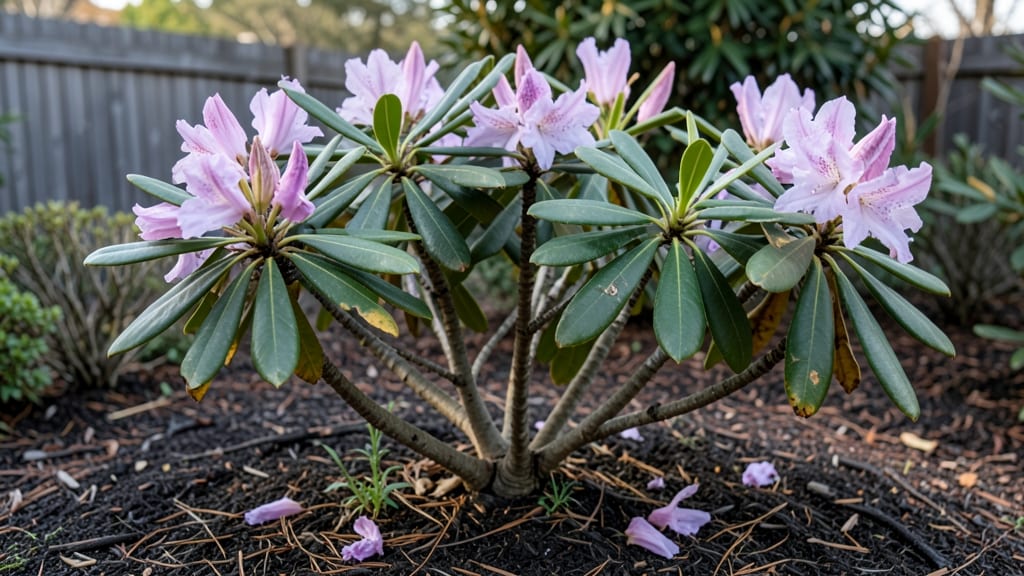
- ● Planting Supplies: Seeds or seedlings (choose Washington State-approved varieties like Heirloom tomatoes, Rhododendrons, or Pacific Northwest natives)
- ● Garden gloves (1–2 pairs, waterproof and durable)
- ● Trowel or transplanting spade (ergonomic, 6–8 inches long)
- ● Watering Essentials: Hose with adjustable nozzle (or a drip irrigation system for efficiency)
- ● Watering can (5–10 gallons, for delicate seedlings)
- ● Protection & Maintenance: Mulch (shredded bark or straw, 2–3 inches thick to retain moisture)
- ● Pruners (bypass pruners, sharp and sanitized)
- ● Rain Barrels (to collect free water—Washington’s rainy season is your ally!)
- ● Soil pH Test Kit (to adjust acidity for azaleas, blueberries, or veggies)
- ● Garden Journal (track planting dates, rainfall, and plant progress)
- ● Knee Pads or Stool (for comfort during long planting sessions)
- ● Bird Feeders or Netting (to protect berries and veggies from local wildlife)
Instructions for establishing a resilient garden in Washington State’s climate
Washington’s mix of wet winters and dry summers demands smart planning—here’s how to create a garden that thrives year-round.
Test and Amend Your Soil for Local Conditions
Washington’s soil varies dramatically from the Pacific Coast’s sandy loam to the inland Puget Sound’s clay-heavy mixes. Start by sending a sample to your local extension office for a pH test—most native plants prefer 5.5-6.5, while blueberries and rhododendrons need 4.5-5.5. I’ve found that coastal gardens often need sulfur amendments to lower pH, while inland areas benefit from composted manure to improve drainage.
Work 3-4 inches of organic matter—like the compost or well-rotted leaf mold—into the topsoil before planting. This mimics Washington’s natural forest floor, where decomposed needles and wood create ideal conditions. Avoid fresh mulch, which can mat and suffocate roots in our damp climate. Instead, use shredded bark or cedar chips for long-term moisture retention.
Plan for Microclimates and Seasonal Shifts
Washington’s Marine West Coast climate creates microclimates where a south-facing slope might get 100 more frost-free days than a low-lying valley. Group plants by their needs: Coastal areas (like the Olympic Peninsula) can handle shade-tolerant ferns and rhododendrons, while eastern Washington thrives with drought-resistant lavender and Russian sage. I always sketch my yard with sun exposure maps—note where morning sun lingers (critical for moisture-sensitive plants) and where afternoon shade dominates.
Use windbreaks—like evergreen hedges or bamboo fencing—to protect coastal gardens from salt spray and inland areas from eastern Washington’s windstorms. In the Cascade foothills, I’ve seen gardens double their productivity by planting warm-season crops (like tomatoes) on south-facing slopes where snow melts earliest. Time your planting so cool-season crops (kale, carrots) go in by mid-August to avoid bolting.
Water Strategically to Combat Washington’s Rain Shadow
Western Washington gets 40+ inches of rain annually, while eastern Washington sees less than 10 inches. Drip irrigation is your best tool—set it to deliver 1 inch per week in summer, adjusting for rainfall patterns. I install rain gauges to track precipitation and shut off systems when 1.5 inches of rain falls in 24 hours. For container gardens (common in urban Seattle), use self-watering pots to prevent soggy roots in our damp winters.
Mulch heavily with 6 inches of cedar bark or straw to reduce evaporation and suppress weeds. In eastern Washington, I’ve seen gardens fail when homeowners overwater during June’s heatwave—watch for wilting leaves by midday (a sign of thirst) but avoid waterlogged soil (which turns brown and smells sour). Drought-tolerant natives like Oregon grape and penstemon handle our summer dry spells beautifully once established.
Protect Plants from Pests Unique to Washington
Our mild winters mean pests like vine weevils and slugs thrive year-round. I use copper tape barriers around raised beds to deter slugs and neem oil sprays (applied in early evening to avoid harming bees) for fungal issues like powdery mildew on roses. For coastal gardens, salt spray can scorch foliage—rinse plants with fresh water weekly during windy months.
Rotate crops annually to prevent soil-borne diseases (like verticillium wilt in tomatoes). I’ve found that interplanting marigolds with vegetables deters root maggots, while companion planting basil with tomatoes improves flavor and repels pests. In eastern Washington, grasshoppers can devastate gardens—use row covers for young plants until they outgrow the threat.
Extend the Season with Smart Timing
Washington’s short growing season (varies from 120 days in the mountains to 200 days on the coast) means planning is everything. Start cool-season crops indoors in February (using grow lights for 14-16 hours/day) and transplant after the last frost date (typically mid-April in western WA, late May in eastern WA). For warm-season crops, wait until soil warms to 60°F—test with a soil thermometer to avoid stunted growth.
Use season extenders like cold frames for early spring planting or row covers to protect fall crops. I’ve successfully grown kale and spinach through December by covering beds with clear plastic domes and adding straw mulch for insulation. In eastern Washington, black plastic mulch warms soil faster in spring, letting you plant peppers and eggplants a week earlier than traditional methods.
Tips & tricks for establishing a resilient garden in Washington State
Washington’s diverse climate demands thoughtful adjustments to create a thriving garden. Here are the key strategies I’ve perfected over years of testing what works in our unique conditions.
Soil Testing Precision: Don’t rely on guesswork when testing soil pH—send samples to your local extension office for accurate results. Coastal areas often need sulfur amendments to reach the ideal 4.5-5.5 range for acid-loving plants like blueberries, while inland gardens typically benefit from composted manure to improve drainage. I’ve seen gardens fail when homeowners assumed their soil was fine without testing, only to discover pH levels that prevented plant growth entirely.
Microclimate Mapping: Create a simple sun exposure map of your yard before planting. Note where morning sun lingers (critical for moisture-sensitive plants) and where afternoon shade dominates. In my own garden, I discovered a south-facing slope that received 100 more frost-free days than my low-lying valley—perfect for warm-season crops like tomatoes that need extended growing periods. This simple step can double your garden’s productivity by matching plants to their ideal microclimates.
Watering System Calibration: Install rain gauges to track precipitation and calibrate your drip irrigation system accordingly. Western Washington’s 40+ inches of annual rainfall means you’ll need to adjust your system to deliver only 1 inch per week in summer, while eastern Washington’s less than 10 inches requires more frequent watering. I shut off systems automatically when 1.5 inches of rain falls in 24 hours to prevent overwatering, which can be just as damaging as underwatering.
Season Extension Hacks: For cool-season crops, start seeds indoors in February using grow lights for 14-16 hours/day to give them a head start. In eastern Washington, use black plastic mulch to warm soil faster in spring, allowing you to plant peppers and eggplants a week earlier than traditional methods. I’ve successfully grown kale and spinach through December by covering beds with clear plastic domes and adding straw mulch for insulation—this extends the growing season by 2-3 months in coastal areas.
Pro Tips for Gardening Washington State
- Washington’s diverse climate demands thoughtful adjustments to create a thriving garden.
- Soil Testing Precision: Don’t rely on guesswork when testing soil pH—send samples to your local extension office for accurate results.
- Microclimate Mapping: Create a simple sun exposure map of your yard before planting.
Frequently asked questions
Got questions about gardening in Washington State?
Whether you're a seasoned green thumb or just starting your first plot, these answers will help you navigate the unique challenges and opportunities of the Evergreen State's climate. From soil prep to seasonal timing, we’ve got you covered!
What’s the best time to start gardening in Washington State?
Washington’s mild, wet winters and warm summers mean you can garden year-round! Start seeds indoors in late winter (February–March) for spring planting, while outdoor planting typically begins in late March–April after the last frost. For fall crops like kale or carrots, sow seeds in early September to harvest before winter. Coastal areas may have a slightly longer growing season than inland regions.
How do I prepare soil for Washington’s rainy climate?
Washington’s heavy rainfall can lead to soggy, compacted soil. Improve drainage by amending with compost, aged manure, or perlite. Raised beds are ideal for heavy-clay soils (common in western WA). Test your soil’s pH—most veggies thrive in 6.0–7.0—and adjust with lime (to raise pH) or sulfur (to lower it) if needed. Pro tip: Cover soil with mulch to retain moisture and suppress weeds!
What pests are most common in Washington gardens, and how do I deal with them?
Washington’s mild winters mean pests like slugs, aphids, and cabbage worms thrive year-round. Use organic barriers (copper tape for slugs, neem oil for aphids) or introduce beneficial insects like ladybugs. For cabbage worms, handpick them or use BT (Bacillus thuringiensis). Rotate crops annually to disrupt pest life cycles, and keep your garden clean and weeded to reduce hiding spots.
Can I grow vegetables in Washington’s short summer days?
Yes! Choose fast-maturing varieties (e.g., bush beans, radishes, or lettuce) or extend your season with season extenders like cold frames, row covers, or greenhouses. Leafy greens (spinach, kale) and root veggies (carrots, beets) tolerate cooler temps, while tomatoes and peppers need protection from late frosts. Succession planting—sowing new seeds every 2–3 weeks—keeps harvests coming!
How often should I water my garden in Washington’s wet climate?
Overwatering is a common mistake! Most gardens need 1–1.5 inches of water per week, including rainfall. Use a rain gauge to track precipitation and water deeply 2–3 times per week during dry spells (even in rainy seasons). Drip irrigation or soaker hoses deliver water efficiently to roots. Watch for: Yellowing leaves (overwatering) or wilting (underwatering). Mulch helps retain moisture and reduce evaporation.
Wrapping up and next steps
Gardening in Washington State is all about embracing the unique blend of rain, sun, and resilient soil to cultivate a thriving garden.
Whether you're a seasoned green thumb or just starting, the key is to choose the right plants, prepare your soil, and stay adaptable—because Washington’s weather keeps things interesting! 🌧️☀️
Now that you’re armed with tips and answers, it’s time to roll up your sleeves and get growing! Start small—plant a few hardy vegetables, herbs, or native flowers—and watch your garden flourish. Happy planting! 🌱