
Planting
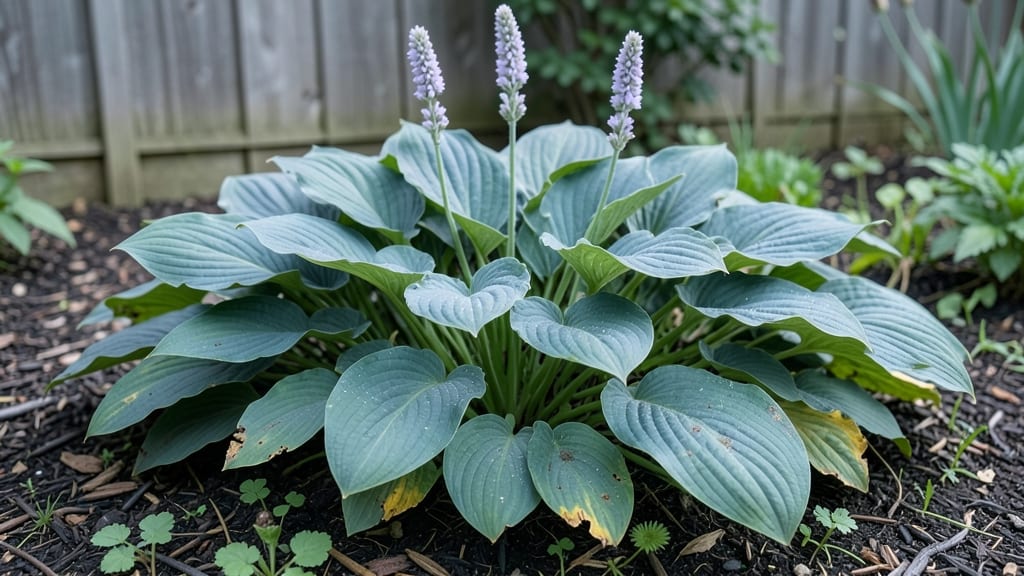
Gardening in Zone 5A means embracing a climate where winters can drop to -15°F and summers stay refreshingly mild, but the right plants turn those challenges into opportunities for a thriving garden.
I've learned that the key isn't fighting the cold—it's choosing plants that celebrate it, like coneflowers that bloom through snowmelt and kale that tastes sweeter after frost. The growing season stretches from mid-April to early October, giving you plenty of time to enjoy fresh harvests and vibrant blooms.
What you'll need is a mix of patience and strategy: start cool-season crops like peas and lettuce 4-6 weeks before your last frost, while warm-season plants like tomatoes and peppers wait until after Mother's Day.
Mulching in fall protects roots from freeze-thaw cycles, and choosing perennials like lavender or Russian sage means less replanting each spring. The payoff? A garden that stays lush even when your neighbors' plants are struggling.
You'll end up with a landscape that's resilient and rewarding—think of the deep purple of Russian sage standing tall after snow, or the first crisp apples of a hardy 'Honeycrisp' tree in September.
The trick is matching plants to your microclimate: south-facing slopes warm up faster, while north sides stay cooler. With the right choices, your Zone 5A garden becomes a year-round showcase, not just a spring-to-fall project.
Here's where it gets interesting—some plants actually prefer the cold. Evergreen shrubs like boxwood or dwarf pine stay green all winter, while vegetables like broccoli and cabbage sweeten up after frost.
The secret is in the timing: plant bulbs in fall, choose late-blooming perennials, and protect tender plants with row covers when early frosts sneak in. Your garden will prove that cold climates grow some of the hardiest, most beautiful plants around.
📚 In This Guide
- What you need
- Instructions
- Tips and common mistakes
- Wrapping up and next steps
What you need
- ● Soil: High-quality garden soil (or a mix of topsoil and compost, 50/50 ratio) – at least 10 cubic yards for a standard 10x10 ft. plot.
- ● Compost (well-aged, 2–3 inches spread evenly) – 1–2 bags per 10 sq. ft.
- ● Mulch (straw, wood chips, or shredded leaves) – 2–4 inches deep for insulation.
- ● Cold-hardy plants: Zone 5A-approved seeds/seedlings (e.g., kale, broccoli, Russian sage, or winter wheatgrass).
- ● Tools: Garden trowel (for transplanting)
- ● Pruners (sharp, sterilized)
- ● Garden fork (for aerating soil)
- ● Wheelbarrow (for hauling soil/compost)
- ● Gloves (waterproof, heavy-duty)
- ● Row covers (frost cloth or lightweight fabric) – for extending the growing season.
- ● Cold frames (DIY or pre-made) – to protect tender seedlings.
- ● Drip irrigation system (or soaker hoses) – for consistent moisture in freezing temps.
- ● Soil thermometer – to monitor ground temps (ideal planting range: 40–60°F).
- ● Plant markers (biodegradable labels) – to track varieties in low-visibility winters.
Instructions for selecting and planting cold-hardy perennials in Zone 5A
Here’s how to build a resilient garden that thrives through Zone 5A’s harsh winters and humid summers.
Choose Perennials with Proven Cold Tolerance
Focus on plants labeled for Zone 3 or higher—they’ll survive winters down to -35°F without extra protection. My top picks include coneflowers, black-eyed Susans, and Russian sage, which all handle snow cover and spring thaws with ease. Avoid tender annuals or tropical plants; they’ll die back to the ground in the first freeze.
Check plant tags for "hardy to Zone 5" or "USDA Zone 3-9"—this ensures they’ll bounce back year after year. I always cross-reference with local nursery recommendations, as microclimates (like south-facing slopes) can push a plant’s limits. For example, catmint thrives in Zone 5A but may struggle in low-lying, frost pocket areas.
Time Planting for Optimal Root Establishment
Plant perennials in early spring or early fall when soil temperatures hover around 50-60°F. This gives roots 6-8 weeks to establish before winter’s first hard freeze. Spring planting works best in Zone 5A because the ground thaws early, allowing roots to grow before summer drought stress sets in.
Dig holes twice as wide as the root ball but only as deep—planting too deeply suffocates roots. Water deeply right after planting to eliminate air pockets, then mulch with 3 inches of shredded bark to insulate roots. I always test soil moisture before watering again; perennials hate soggy roots in winter.
Layer Mulch for Winter Protection
Apply 4-6 inches of organic mulch (like straw or shredded leaves) after the first frost but before the ground freezes solid. This acts as a thermal blanket, preventing soil temperature swings that can heave roots out of the ground. Avoid fresh wood chips—they decompose too slowly and may smother plants.
In late winter, rake back mulch just enough to check for heaving (when roots push upward). If you see this, gently press soil back down and add a thin layer of mulch. I’ve seen peony crowns survive -20°F winters with proper mulching, while neglected beds lose plants to frost heave.
Prune Strategically in Late Winter
Wait until late February or early March—when daylight lengthens but buds haven’t yet swelled—to prune back dead foliage. Cut stems 1-2 inches above the ground, removing only what’s clearly dead. This prevents accidentally trimming next year’s growth on plants like Russian sage or purple coneflower, which store energy in their roots.
Dispose of pruned material immediately—don’t compost it on-site. Diseased foliage can overwinter and reinfect your garden. I always sterilize pruners with rubbing alcohol between cuts to prevent spreading fungal spores.
Monitor for Early Spring Thaw Stress
Zone 5A’s warm spells in March can trick plants into growing before the last frost. Watch for new shoots—if they appear, protect them with frost cloth during nights below 32°F. Remove the cloth during the day to avoid overheating, and water lightly if the ground feels dry.
If you see yellowing leaves after a freeze-thaw cycle, it’s likely cold damage, not overwatering. Perennials often recover fully once temperatures stabilize above 50°F. I’ve seen beebalm and shasta daisies bounce back from blackened stems, but lamb’s ear is more sensitive—it may need replanting if severely damaged.
Tips & tricks for thriving Zone 5A perennials
Building a garden that survives Zone 5A’s extremes requires strategic planning—here’s how to give your perennials the best chance at long-term success.
Zone Verification: When selecting plants, don’t rely solely on the Zone 5 label—cross-check with your local nursery’s microclimate notes. For example, a south-facing slope might push a Zone 5 plant into Zone 6 territory, while a frost pocket could drop it to Zone 4. I’ve seen Russian sage thrive in full sun on a south-facing wall but struggle in a low-lying area where cold air settles.
Soil Temperature Timing: The 6-8 week root establishment window in Step 2 is your golden opportunity—don’t rush planting when soil temperatures are below 50°F. Use a soil thermometer to verify temperatures, especially in spring when unpredictable weather can delay planting. I’ve planted too early in cool springs and watched roots sit dormant for weeks, missing their critical growth window.
Mulch Layering Technique: For the 4-6 inch mulch layer in Step 3, use a combination of coarse mulch (like straw) on top and finer organic matter (like shredded leaves) beneath. This creates better insulation while preventing compaction. I’ve found that adding a thin layer of straw over composted leaves creates the perfect thermal blanket—just be sure to keep it at least 2 inches away from plant stems to prevent rot.
Pruning Precision: When pruning in late February or early March as outlined in Step 4, look for stems that are completely brown and brittle—they’re dead and ready to remove. Avoid cutting into green tissue, which indicates next year’s growth. I’ve accidentally trimmed back Russian sage’s new growth in early spring and lost half my plant for the season.
Pro Tips for Gardening Zone 5a
- Building a garden that survives Zone 5A’s extremes requires strategic planning—here’s how to give your perennials the best chance at long-term success.
- Zone Verification: When selecting plants, don’t rely solely on the Zone 5 label—cross-check with your local nursery’s microclimate notes.
- Soil Temperature Timing: The 6-8 week root establishment window in Step 2 is your golden opportunity—don’t rush planting when soil temperatures are below 50°F.
Frequently asked questions
Got questions about gardening in Zone 5A? You’re not alone!
Here are some of the most common concerns—and practical answers—to help you grow a thriving garden in this chilly climate.
What are the best cold-hardy plants for Zone 5A?
Zone 5A’s short growing season calls for resilient plants like heirloom tomatoes, kale, potatoes, rhubarb, and hardy perennials such as coneflowers and black-eyed Susans. Focus on early spring and late fall crops to maximize your harvest. Check out our full list of top picks!
When should I plant in Zone 5A?
Start cool-season crops (like spinach or peas) 4–6 weeks before the last frost (typically mid-April). Wait until after the last frost (mid-May) for warm-season plants (tomatoes, peppers). Use a local frost calendar for precise timing!
How do I protect plants from late frosts in Zone 5A?
Use row covers, cloches, or straw mulch to shield tender plants. For extreme cold snaps, consider a greenhouse or move potted plants indoors. Monitor forecasts and act fast—even a few degrees can make the difference!
Can I extend the growing season in Zone 5A?
Try cold frames, hoop houses, or season extenders to grow into early spring or late fall. Succession planting (sowing seeds every 2–3 weeks) also keeps your garden productive. Pro tip: Choose fast-maturing varieties for maximum yield!
What pests are common in Zone 5A, and how do I prevent them?
Watch for Japanese beetles, aphids, and slugs. Use neem oil, diatomaceous earth, or row covers for organic control. Healthy soil = stronger plants! Rotate crops yearly to disrupt pest cycles.
Is Zone 5A too cold for vegetables like peppers or eggplants?
While Zone 5A’s short season challenges heat-lovers, peppers and eggplants can thrive with early starts indoors (8–10 weeks before last frost) and container gardening for mobility. Opt for shorter varieties (e.g., ‘Early Girl’ tomatoes) to ensure ripening before frost.
Wrapping up and next steps
Gardening in Zone 5A is all about embracing the chill and working with nature—not against it! 🌱 From cold-hardy perennials to resilient vegetables, the right plants can turn your yard into a thriving oasis even in winter’s grip.
Remember, success starts with soil prep, smart spacing, and seasonal care—so don’t hesitate to experiment and adapt.
Ready to dive in? Start small—pick 2-3 plants from this guide, test your soil, and grab your gardening gloves! Whether you’re a beginner or a seasoned pro, every seasoned gardener began with a single seed. Happy planting!