
Vegetables
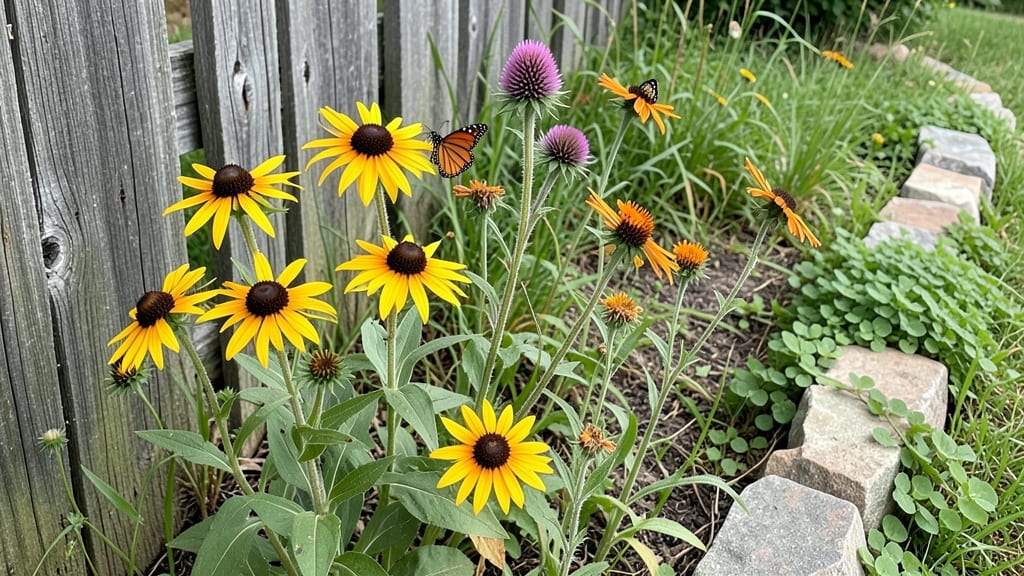
Gardens in Tennessee thrive when you embrace the state's humid summers and rich soil, but the real magic happens when you stretch harvests across all four seasons. 🌿 I've learned that the key isn't fighting Tennessee's climate—it's working with it, planting heat-lovers in summer and cold-hardy greens in winter.
My first attempt at a year-round garden failed spectacularly when I ignored the frost dates, but now I've got a system that keeps us eating fresh tomatoes in October and spinach in March.
The secret lies in smart plant pairings and timing: sweet potatoes and okra love the heat, while kale and broccoli handle winter chills.
You'll need to adjust your planting calendar based on your specific zone—East Tennessee's cooler mountains let you start earlier than West Tennessee's hotter valleys—but the principles stay the same.
Most home gardeners only focus on spring and summer, missing out on fall and winter harvests that require minimal effort but deliver maximum rewards.
What you end up with is a garden that produces fresh vegetables when stores are bare and prices are high. Imagine crisp homegrown lettuce in January or sweet corn in September—both are totally doable with the right planning.
The best part? Your garden becomes a four-season showstopper with vibrant colors and textures that change with each season, not just a summer vegetable patch. Let's break down how to make this work in your backyard.
This approach works equally well for cottage-style gardens, modern raised beds, or traditional in-ground plots. The same principles apply whether you've got 50 square feet or half an acre—it's all about matching plants to seasons and protecting them from Tennessee's humidity and occasional late frosts.
You'll find that with a few adjustments, your garden can be productive and beautiful year-round, not just during the growing season.
📚 In This Guide
- What you need
- Instructions
- Tips and common mistakes
- Wrapping up and next steps
What you need
- ● Soil: 2-3 cubic yards of high-quality garden soil (amended with compost for better drainage in humid climates).
- ● 1-2 bags of organic compost (50 lbs each) to enrich soil fertility.
- ● Seeds & Seedlings: Seasonal vegetable seeds (e.g., tomatoes, peppers, greens, root veggies) or 6-12 healthy seedlings per variety.
- ● Biodegradable seed-starting pots (for early sowing, if applicable).
- ● Gardening Tools: 1 sturdy garden trowel (for transplanting seedlings).
- ● 1 broadfork or digging fork (to aerate soil without disturbing roots).
- ● 1 pruners or bypass shears (for trimming and harvesting).
- ● 1 wheelbarrow (for hauling soil, compost, or mulch).
- ● 1 garden hose with adjustable nozzle (for watering).
- ○ Optional: Soil moisture meter (to monitor hydration in Tennessee’s variable humidity).
- ● Support Structures: 4-6 tomato cages or stakes (6-8 ft tall, depending on variety).
- ● 1-2 trellises or pea stakes (for vining plants like cucumbers or beans).
- ● Mulch & Protection: 2-3 bales of straw or wood chips (for mulching and suppressing weeds).
- ● Row covers or floating fabric (to protect against pests and cool evenings).
- ● Location: A spot with 6+ hours of sunlight daily (south-facing is ideal in Tennessee’s climate).
- ● Water Access: Ensure your garden is near a reliable water source (drip irrigation or soaker hoses work best).
- ● Climate Prep: Test your soil’s pH (aim for 6.0-7.0)—Tennessee’s acidic soils may need lime.
- ● Plan for seasonal adjustments (e.g., cold frames for winter or shade cloth for summer).
- ○ Safety Gear (Optional but Recommended): Garden gloves (to protect from thorns and soil-borne pathogens).
- ● Knee pads (for comfort during long planting sessions).
Instructions for seasonal planting in Tennessee’s humid climate
Here’s how to time your vegetable garden for Tennessee’s long growing season and unpredictable humidity.
🌱 Step 1: Plan for Tennessee’s Four Planting Windows
Tennessee’s climate lets you grow cool-season crops in early spring and fall, while warm-season veggies thrive in summer. Start by marking your calendar for four key windows: late winter (February), early spring (March-April), late summer (August), and early fall (September). Cool-season crops like lettuce and spinach handle Tennessee’s mild winters if planted in September or early October.
I always check the USDA Zone 7a-7b frost dates for my area—typically mid-March to mid-November—and adjust planting times accordingly. For example, broccoli and cabbage need 60-70 days to mature, so I plant them in late August for a fall harvest or early March for spring.
☀️ Step 2: Adjust for Humidity and Heat Stress
Tennessee’s summer humidity can stress plants, so choose varieties bred for heat tolerance. Look for labels like "heat-tolerant" or "drought-resistant" when selecting tomatoes, peppers, and greens. I always opt for indeterminate tomato varieties like 'Celebrity' or 'Better Boy'—they handle the heat better than smaller, bush types.
Mulch heavily with 2-3 inches of straw or shredded leaves to retain moisture and keep roots cool. Watch for signs of stress: wilting leaves, yellowing edges, or stunted growth. If you see these, increase watering to 1 inch per week and provide afternoon shade with row covers or shade cloth during peak heat.
💧 Step 3: Water Deeply and Early in the Day
Tennessee’s clay soil drains poorly, so deep watering is critical. Aim for 1-1.5 inches of water per week, delivered in the early morning to prevent fungal diseases. I use a soaker hose or drip irrigation to water at the base of plants, avoiding wetting foliage—this cuts down on powdery mildew and blight.
Check soil moisture by sticking your finger 1 inch deep. If it feels dry, it’s time to water. Overwatering is just as harmful as underwatering, so resist the urge to water daily. Let the top 2 inches of soil dry out between waterings—this encourages deep root growth and drought resistance.
✂️ Step 4: Prune and Harvest Strategically
Regular pruning keeps plants productive and healthy. For tomatoes, pinch off suckers (the small shoots in the leaf axils) to direct energy to fruit production. Harvest frequently—pick beans, cucumbers, and squash every 2-3 days to encourage more growth. I always harvest in the morning when produce is crispest and most flavorful.
Watch for pests like squash bugs and tomato hornworms, which thrive in Tennessee’s humidity. Handpick larger pests and use neem oil or insecticidal soap for smaller infestations. Prune away diseased leaves immediately to prevent spread—don’t wait until the problem worsens.
⏰ Step 5: Extend the Season with Row Covers and Cold Frames
Tennessee’s short growing season can be stretched with simple tools. Use floating row covers to protect early spring and late fall crops from frost and pests. I cover my lettuce and spinach in late February and remove them when temperatures rise above 75°F to prevent overheating.
For a fall harvest, plant heat-loving crops like peppers and eggplants in late July and use black plastic mulch to warm the soil. A cold frame or low tunnel can extend harvests into November or even December for hardy greens like kale and collards. Just be sure to vent the cover on warm days to prevent overheating.
Tips & tricks for perfect Tennessee vegetable planting
Tennessee’s humid climate demands smart planning—here’s how to maximize your garden’s potential without common pitfalls.
Seasonal Timing Tip: In Step 1, when planning your four planting windows, remember that Tennessee’s frost dates can shift yearly. Use the National Weather Service’s 30-year averages as a baseline, but check your local cooperative extension service for updates. For example, if you’re planting broccoli in late August for a fall harvest, aim for a 70-day variety to account for potential early frosts. I always plant a few extra seeds just in case—it’s better to have a backup harvest than none at all.
Heat Tolerance Hack: Step 2 mentions choosing heat-tolerant varieties, but here’s the secret: pay attention to the maturity date on seed packets. Shorter-season varieties (like 45-60 days) often handle Tennessee’s summer heat better than longer-season ones. For tomatoes, I’ve found that 'Heatmaster' or 'Solar Fire' varieties outperform standard types in our humidity. And if you’re mulching with 2-3 inches of straw, add a layer of black plastic mulch underneath—it warms the soil faster in spring and helps retain moisture during summer droughts.
Watering Wisdom: The 1-1.5 inches per week guideline in Step 3 is perfect, but here’s how to make it work in Tennessee’s clay soil: water deeply two times per week (like Wednesday and Saturday mornings) instead of daily shallow watering. This encourages roots to grow deeper, which helps plants survive our occasional dry spells. Pro tip: if your soil feels dry at 1 inch deep after watering, you’re not watering deeply enough—keep going until water runs out the bottom of the pot or until the top 6 inches are moist.
Pest Prevention: In Step 4, neem oil is great, but I’ve had the best luck with a preventative approach for Tennessee’s pests. Start by planting basil or marigolds near tomatoes—their scents repel many garden pests. For squash bugs, check the undersides of leaves daily in the morning (they’re sluggish then) and drop them into soapy water. And if you see the first signs of tomato hornworms, act fast—they can defoliate a plant in days! I’ve also found that row covers (mentioned in Step 5) work wonders for early-season protection against cabbage worms and flea beetles.
Pro Tips for Gardens In Tennessee
- Tennessee’s humid climate demands smart planning—here’s how to maximize your garden’s potential without common pitfalls.
- Seasonal Timing Tip: In Step 1, when planning your four planting windows, remember that Tennessee’s frost dates can shift yearly.
- Heat Tolerance Hack: Step 2 mentions choosing heat-tolerant varieties, but here’s the secret: pay attention to the maturity date on seed packets.
Frequently asked questions
Got questions about growing Tennessee-friendly veggies year-round? You’re in the right place! Here are answers to the most common queries from gardeners navigating Tennessee’s humid climate—whether you’re a seasoned pro or just starting your green thumb journey.
What are the best vegetables to grow in Tennessee’s humid climate?
Tennessee’s warm, humid summers and mild winters make okra, sweet potatoes, collard greens, and Southern peas standout choices. For cooler seasons, try kale, broccoli, and cabbage. Native plants like ramps thrive in the Appalachian regions, while coastal areas favor squash and tomatoes. Rotate crops to avoid soil depletion!
When is the best time to plant in Tennessee’s four seasons?
Start with cool-season crops (Jan–March) like lettuce and spinach, then transition to warm-season veggies (April–May) such as peppers and eggplants. For fall, replant broccoli and carrots (Aug–Sept). Tennessee’s long growing season (Zone 6–8) allows for year-round harvests with proper planning!
How do I protect my garden from Tennessee’s humidity and pests?
Use mulch to retain moisture and deter fungi, and opt for drip irrigation to avoid leaf wetness. Row covers shield plants from pests like squash bugs, while neem oil or companion planting (e.g., basil with tomatoes) keep critters at bay. Prune regularly to improve airflow!
Can I grow vegetables in Tennessee without a traditional garden?
Try container gardening with dwarf varieties like bush beans or cherry tomatoes. Raised beds work well in clay-heavy soils, and vertical gardening (e.g., trellised cucumbers) saves space. Even balconies or patios can host herbs and leafy greens with the right sunlight!
What should I do if frost threatens my Tennessee garden?
Cover tender plants with frost cloth or blankets and use row covers for extra insulation. Move potted plants to sheltered areas, and avoid watering before frost (wet leaves freeze faster). Cold-hardy crops like kale often survive light frosts—check your zone’s last frost date (usually mid-April) for timing!
Wrapping up and next steps
From cool-season greens to heat-loving tomatoes, Tennessee’s diverse climate lets you grow fresh veggies year-round—no matter the season! 🌱 With the right planning, soil prep, and plant selection, your garden can thrive even in humidity.
Whether you’re a beginner or a seasoned gardener, now’s the perfect time to get your hands dirty and turn your outdoor space into a bountiful harvest hub.
Ready to take the next step? Start small—pick 2-3 veggies from this guide, sketch a simple layout, and mark your calendar for planting dates. Before you know it, you’ll be feasting on homegrown goodness straight from your Tennessee garden! 🍅🥕