
Landscaping
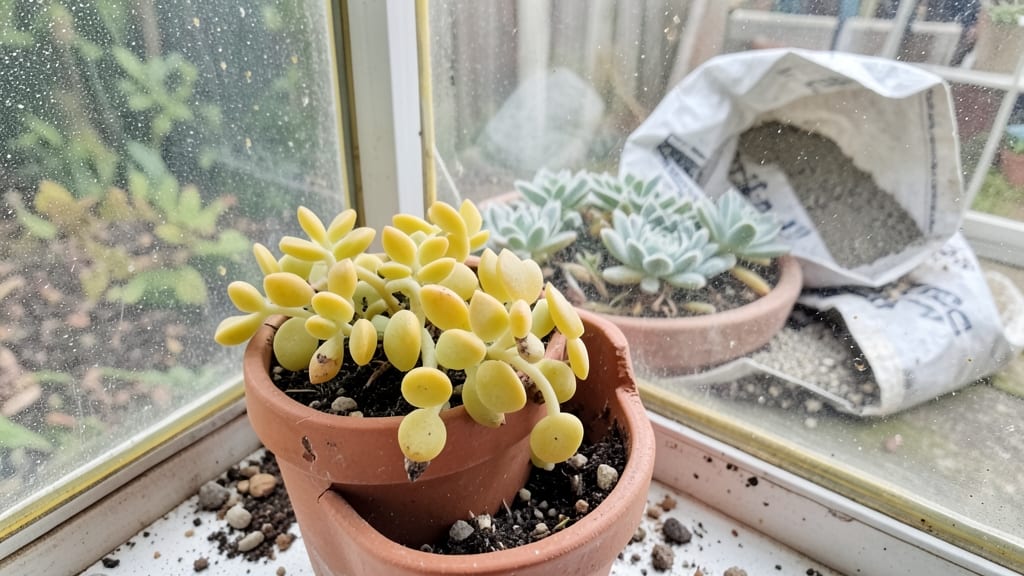
A glassed-in garden lets you grow 🌱 year-round without battling weather—sunlight, privacy, and greenery all in one controlled space.
Imagine stepping into a sunlit sanctuary where tomatoes ripen in winter and herbs thrive without a chill. The trick? Balancing glass clarity, airflow, and plant needs so your space stays vibrant, not stuffy.
I’ll show you how to design one that feels like an extension of your home—functional, stylish, and full of life.
First, we’ll tackle the biggest design challenges: choosing glass that won’t warp in heat, arranging plants for airflow, and keeping humidity in check. Then, I’ll share my go-to low-maintenance plant picks that love enclosed spaces—think ferns, citrus, and trailing vines that add drama without the fuss.
By the end, you’ll know exactly how to turn a spare corner into a climate-proof garden that works as hard as it looks—no matter the season.
How to design a glassed-in garden for maximum sunlight & privacy
A glassed-in garden starts with the right glass material and structural design. The glass you choose determines how much sunlight enters and how well it insulates. For year-round use, tempered glass offers durability and UV protection, while laminated glass provides extra safety and noise reduction.
Your choice impacts both light diffusion and energy efficiency, so weigh your priorities carefully.
Next, consider whether your design needs fixed panels for permanent privacy or sliding panels for flexibility. Fixed panels create a seamless, high-end look but limit airflow, while sliding panels offer ventilation and easy access.
For a sunlight-optimized layout, position taller plants along the north side to avoid shading shorter varieties, and orient the structure to face south for maximum exposure.
| Feature | Tempered Glass | Laminated Glass |
|---|---|---|
| UV Protection | Excellent | Good |
| Durability | High | Very High |
| Insulation | Moderate | High |
| Cost | $$ | $$$ |
| Best For | Sunlight & Durability | Safety & Insulation |
For privacy without blocking light, layer sheer curtains or bamboo screens along the glass walls. These allow sunlight to filter through while obscuring views from outside.
Place tall, leafy plants like monstera deliciosa or ficus elastica near the glass to create a natural privacy barrier that also adds greenery and texture.
Strategic seating placement is key to enjoying your glassed-in garden year-round. Position benches or chairs to face the glass for optimal sunlight exposure, but ensure they don’t block airflow.
Add adjustable shading, like retractable awnings or sheer curtains, to control light intensity during peak hours. This balance keeps your space comfortable in both summer and winter.
Ventilation is another critical factor. Install automatic roof vents or manual louvers to regulate temperature and humidity. Without proper airflow, your glassed-in garden can become a greenhouse trap, leading to overheating or excessive moisture.
Aim for at least 10% of the floor area in ventilation openings to maintain a healthy climate for your plants.
To maximize sunlight distribution, incorporate reflective surfaces like white-painted walls or mirrored accents on the interior. These bounce light deeper into the space, ensuring even exposure for all your plants.
Pair this with rotating plant stands to give each plant equal access to sunlight throughout the day. This is especially useful for light-sensitive varieties like ferns or orchids.
Don’t overlook the floor design. Use permeable materials like gravel or pavers to allow water drainage and prevent root rot in potted plants. Avoid sealed surfaces that can trap moisture and create a damp environment.
Add a drip irrigation system to automate watering and maintain consistent soil moisture without overwatering.
Finally, integrate seasonal adjustments into your design. In winter, use thermal curtains to retain heat, while in summer, rely on cross-ventilation and shade cloths to keep the space cool. This flexibility ensures your glassed-in garden remains a functional and comfortable retreat in every season.
With these principles in mind, your glassed-in garden will thrive as a sun-drenched sanctuary that balances privacy, aesthetics, and plant health. Start small with a modular design if needed, and expand as your confidence—and collection of plants—grows! 🌿
Best plants for thriving in a glassed-in garden environment
A glassed-in garden creates a microclimate where humidity and temperature stay consistent year-round, making it perfect for plants that love warmth and moisture. Unlike outdoor gardens, these spaces require low-maintenance plants that thrive in controlled environments without wilting or overgrowing.
The key is choosing species that tolerate moderate humidity and adapt to seasonal light changes.
I’ve curated a list of hardy, tropical-inspired plants that not only survive but prosper in glassed-in spaces. These picks—from lush ferns to fragrant citrus trees—bring life to your garden while requiring minimal adjustments to your care routine.
With the right balance of watering, humidity control, and seasonal light management, you’ll create a thriving oasis.
🌿 Top 5 Low-Maintenance Plants for Glassed-In Gardens
- Boston Fern (Nephrolepis exaltata) – Thrives in high humidity and indirect light, perfect for hanging baskets. Water when top inch of soil dries.
- Orchids (Phalaenopsis) – Adaptable to moderate light and low humidity with occasional misting. Repot every 2-3 years for fresh potting mix.
- Dwarf Citrus Trees (Citrus spp.) – Love bright light and warmth. Prune in late winter to shape and encourage fruiting. Use well-draining soil to prevent root rot.
- Calathea Plants (Calathea spp.) – Ideal for low-light corners with high humidity. Avoid cold drafts and use distilled water to prevent leaf spots.
- Peperomia (Peperomia obtusifolia) – Drought-tolerant and low-maintenance. Thrives in bright indirect light and needs watering only when soil is completely dry.
Adjusting your watering schedule is critical in a glassed-in garden. Most tropical plants prefer consistent moisture but hate soggy roots. I recommend watering in the morning to reduce humidity buildup and fungal risks. Use a moisture meter to check soil levels—aim to keep the top 1-2 inches dry between waterings.
Humidity control is another game-changer. If your glassed-in space feels too dry, place a humidifier or group plants together to create a microclimate. For high-humidity areas, ensure proper ventilation with automatic vents or manual openings to prevent mold and mildew.
Seasonal adjustments—like reducing water in winter or increasing light exposure in fall—will keep your plants happy year-round.
Don’t forget to rotate plants every few weeks to ensure even light exposure. South-facing windows provide the most intense sunlight, while north-facing spots offer gentler indirect light.
Use sheer curtains to diffuse harsh rays and protect delicate foliage. With these simple tweaks, your glassed-in garden will stay lush, vibrant, and full of life.