
Size
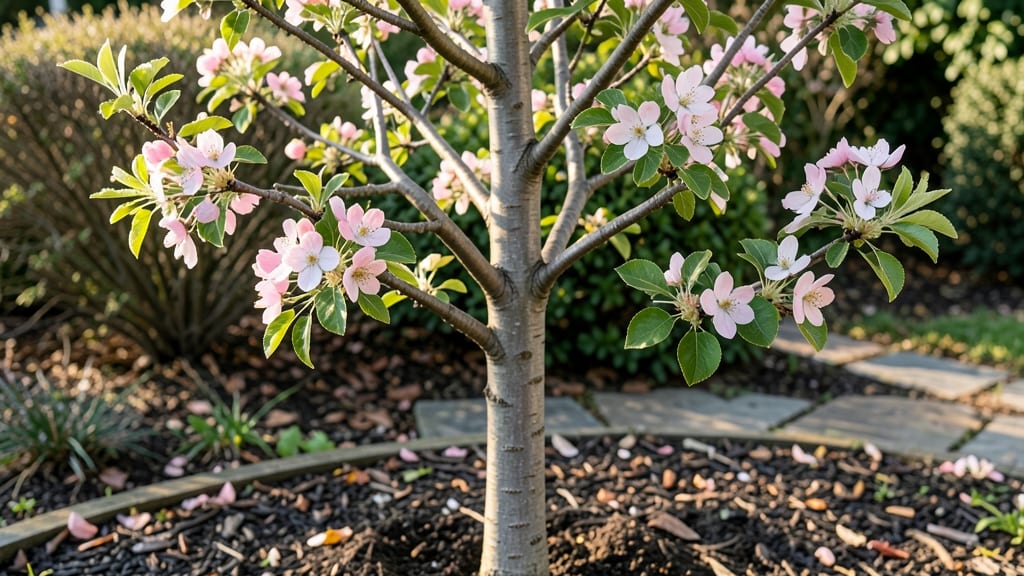
Growing a garden apple tree from seed or sapling is the ultimate small-space victory—imagine crisp, homegrown fruit in a 5-foot space instead of a backyard orchard.
I’ve grown five dwarf varieties over the years, and the key isn’t just the tree itself but the right spot, soil, and a little patience.
The first year is about roots and structure; the second brings blossoms, and by year three, you’re picking fruit that tastes like nothing from the grocery store.
Dwarf varieties like ‘Liberty’ or ‘Columnar’ stay compact but still produce 30-50 pounds of apples annually. Start with well-draining soil mixed with compost, and plant where the tree gets 6-8 hours of sun daily.
Water deeply once a week after planting, then taper off as roots establish—overwatering is the #1 killer of young trees. Prune in late winter to shape the tree and remove dead branches, and you’ll avoid the tangled mess that frustrates new growers.
The real magic happens in summer when you see those first blossoms. Apples need cross-pollination, so plant two compatible varieties if you want fruit. By harvest time, you’ll be picking apples that stay fresh for weeks on the counter.
The biggest challenge? Pests like aphids or apple scab, but a mix of neem oil and proper spacing keeps them in check. Trust me, the first bite of your homegrown apple makes every pruning session worth it.
Works for urban balconies, rural homesteads, or anywhere with a sunny patch. Once you’ve mastered one tree, you can expand—just remember, dwarf trees live 20+ years, so choose a spot you’ll love for decades. Ready to plant yours?
📚 In This Guide
- What you need
- Instructions
- Tips and common mistakes
- Wrapping up and next steps
What you need
- ● Dwarf apple tree sapling: Choose a variety suited to your climate (e.g., Red Delicious, Fuji, or Honeycrisp). Look for 1- to 2-year-old bare-root or potted trees from a trusted nursery.
- ● Well-draining soil mix: A blend of 60% topsoil, 30% compost, and 10% perlite or sand (about 50 lbs for a 5-gallon container or 1 cubic yard for in-ground planting).
- ● Container or planting hole: For containers: A 15- to 25-gallon pot with drainage holes (minimum 18" diameter for dwarf varieties).
- ● For in-ground: A hole twice as wide and deep as the root ball.
- ● Organic mulch: 2-3 inches of wood chips or straw to retain moisture and regulate soil temperature.
- ● Balanced fertilizer: A 10-10-10 or 5-10-10 formula (start with 1-2 lbs per tree at planting).
- ● Garden trowel or spade (for digging and transplanting).
- ● Pruning shears (sterilized with rubbing alcohol).
- ● Watering can or hose with a gentle spray nozzle (dwarf trees need 1-2 gallons of water 2-3 times per week).
- ● Gloves and knee pads (for comfort during planting and maintenance).
- ● pH testing kit (to ensure soil pH is between 6.0-7.0).
- ● Tree support stake (if planting in windy areas).
- ● Drip irrigation system (for consistent moisture).
- ● Apple tree spray (organic neem oil or copper fungicide for pest control).
- ● Pollination-friendly plants (like bees balm or lavender) if your chosen variety isn’t self-pollinating.
Step-by-Step instructions for growing a dwarf apple tree
Here's how to cultivate a thriving dwarf apple tree in your small yard with minimal fuss.
Select and Prepare the Planting Site
Choose a location with at least 6 hours of direct sunlight daily—apple trees need full sun to produce fruit. The spot should have well-draining soil, as waterlogged roots will stunt growth. If your yard has heavy clay soil, mix in 2-3 inches of compost from your materials list to improve drainage and fertility.
Dwarf varieties grow well in containers or in-ground, but if planting in the ground, dig a hole twice as wide as the root ball but only as deep as the container it came in. This prevents burying the graft union, which can weaken the tree. Loosen the sides of the hole with a shovel to encourage root spread.
Plant the Dwarf Apple Tree Properly
Remove the tree from its container and gently loosen the roots if they appear circling. Place the tree in the hole so the graft union—usually a noticeable bump or ring near the base—sits 2-3 inches above soil level. This protects the tree from potential rot if water pools around it.
Backfill the hole with native soil, tamping down lightly every 2-3 inches to remove air pockets. Water deeply to settle the soil and eliminate gaps. Avoid fertilizing at planting time—new roots need time to establish without competition. Instead, focus on keeping the soil moist but not soggy for the first 2-3 weeks.
☀️ Step 3: Provide Ongoing Care for Healthy Growth
Water your dwarf apple tree once a week during the first growing season, providing 1-2 gallons per watering. Check the soil 1 inch below the surface—if it feels dry, it’s time to water. Avoid overhead sprinkling, which can spread disease. Instead, use a soaker hose or water at the base.
Apply a 2-3 inch layer of mulch around the tree (keeping it 3-4 inches away from the trunk) to retain moisture and suppress weeds. Replenish mulch annually in early spring. Prune in late winter or early spring before buds swell, removing any dead, crossing, or diseased branches. Thin out crowded branches to improve airflow and fruit production.
⏰ Step 4: Maintain for Fruit Production
Once your tree is established (typically after 2-3 years), thin fruit clusters to 6-8 inches apart to encourage larger, high-quality apples. This also prevents branches from breaking under the weight of too many fruits. Harvest apples when they easily detach from the tree and have reached their full color.
Fertilize in early spring with a balanced, slow-release fertilizer (10-10-10 ratio) to support growth. Apply ½ pound per 100 square feet of soil area, working it into the top 2-3 inches of soil. Avoid over-fertilizing, which can lead to excessive leaf growth at the expense of fruit production. Monitor for pests like aphids or codling moths, and treat early if needed.
Tips & tricks for growing a thriving dwarf apple tree
Here's what I've learned from years of growing dwarf apple trees that will help you avoid common pitfalls and maximize your harvest.
Sunlight is Non-Negotiable: The 6 hours of direct sunlight mentioned in Step 1 is absolutely critical. If your yard gets less, consider a sunny spot near a south-facing wall or fence that reflects light. I've seen trees in partial shade produce smaller, less flavorful apples. Place a stake in your yard and observe sunlight patterns for a week before planting to confirm you have the right spot.
Root Care Matters More Than You Think: When loosening the roots in Step 2, be gentle but thorough. Circling roots can strangle your tree as it grows. I like to use my fingers to carefully separate any roots that have wrapped around the container. This is especially important for container-grown trees, which often develop circling roots. The wider hole you dig—twice as wide as the root ball—gives roots room to spread out naturally without competition.
Watering Wisdom: The once-a-week watering in Step 3 works well, but timing matters. Water deeply in the morning so the soil has time to dry slightly before evening. I've found that watering at night can promote fungal diseases. Also, check that 1-2 gallons is enough by feeling the soil 1 inch below the surface—it should feel moist but not soggy. Overwatering in the first 2-3 weeks is a common mistake that can lead to root rot.
Mulch Magic: That 2-3 inch layer of mulch in Step 3 isn't just for looks—it regulates soil temperature and conserves moisture. I like to use wood chips or straw because they break down slowly. Just remember to keep it 3-4 inches away from the trunk to prevent rot. Replenish it annually in early spring before new growth begins, and you'll notice healthier roots and fewer weeds.
Pro Tips for Grow A Garden Apple Tree
- Here's what I've learned from years of growing dwarf apple trees that will help you avoid common pitfalls and maximize your harvest.
- Sunlight is Non-Negotiable: The 6 hours of direct sunlight mentioned in Step 1 is absolutely critical.
- Root Care Matters More Than You Think: When loosening the roots in Step 2, be gentle but thorough.
Frequently asked questions
How long does it take for a dwarf apple tree to bear fruit?
A dwarf apple tree typically takes 3–5 years to produce its first harvest, depending on the variety, care, and climate. Patience is key—young trees focus on root and branch growth before fruiting. Choose early-bearing varieties like 'Liberty' or 'Zestar!' for faster rewards!
Can I grow an apple tree in a container? Yes—but how big should the pot be?
Dwarf apple trees thrive in containers, but 15–25 gallons of soil is ideal (think: at least 18–24 inches deep). Use a well-draining mix with compost and ensure the pot has drainage holes. Rotate the container seasonally for even sunlight exposure. Pro tip: Add a trellis for support if branches get top-heavy!
Why aren’t my apple tree’s flowers turning into fruit? (Common issues + fixes)
Fruit drop often stems from pollination gaps, poor weather, or nutrient deficiencies. Plant two compatible varieties (e.g., 'Honeycrisp' + 'Gala') for cross-pollination. Thin fruit early to reduce stress, and fertilize with high-phosphorus blends in spring. Late frosts can also kill blossoms—protect with frost cloth if needed!
What pests should I watch for, and how do I prevent them?
Dwarf apple trees attract aphids, codling moths, and apple maggots. Preventive care:
- Netting: Cover trees in late spring to block moths.
- Spray: Neem oil or insecticidal soap early in the season.
- Prune: Remove infested branches promptly.
Can I grow an apple tree from a store-bought apple? (Spoiler: It’s tricky!)
While possible, seed-grown trees rarely match the parent fruit—expect bitter, small, or inedible apples after 5+ years. For reliable results, buy a grafted dwarf sapling from a nursery. If you’re curious, try it as a bonus experiment—just don’t expect a harvest!
Wrapping up and next steps
Growing your own dwarf apple tree is a rewarding journey that brings fresh, homegrown fruit to even the smallest yards! With the right variety, care, and a little patience, you’ll enjoy juicy apples in just a few years—plus the joy of nurturing life from seed to harvest. 🍏✨
Ready to take the next step? Start by choosing your favorite dwarf variety (like ‘Liberty’ or ‘Enterprise’) and gather your supplies. Then, plant with confidence—your future orchard awaits!
- Pro tip: Mark your calendar for pruning and harvest season to keep your tree thriving!