
Size
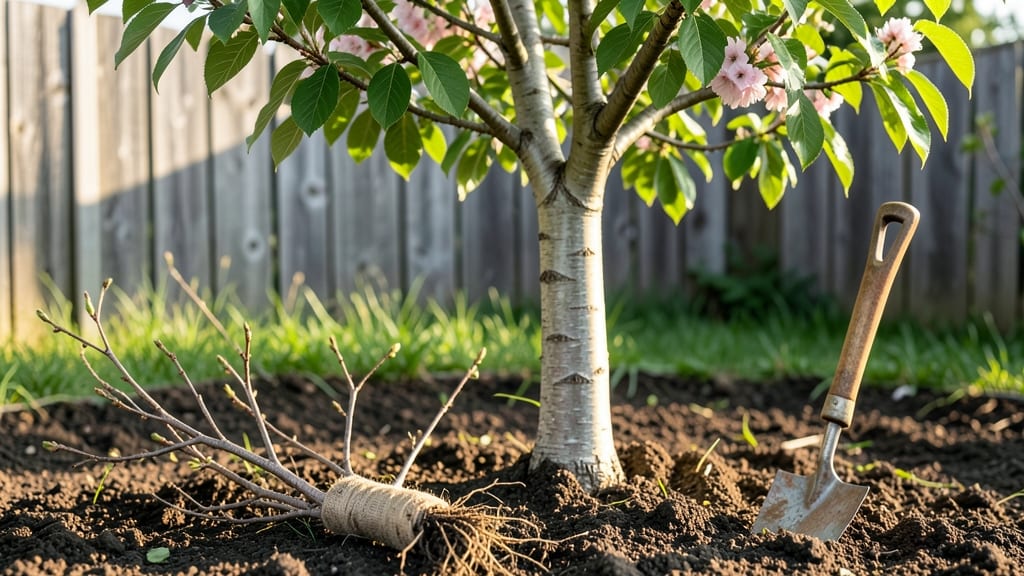
Growing garden peaches that burst with juicy sweetness starts with picking the right tree and giving it the care it craves. 🌿 I learned the hard way that not all peach varieties thrive where I live—some need more heat, others more chill hours—and the wrong choice means years of disappointment.
The secret isn’t just planting; it’s matching your tree to your climate, soil, and sunlight like a perfect puzzle piece.
You’ll need a sunny spot with at least 6 hours of direct light daily, well-draining soil (peaches hate soggy roots), and patience—these trees take 2-3 years to bear fruit but reward you with hundreds of peaches once established.
My first tree finally fruited after I amended the soil with compost and mulched heavily to keep moisture steady. The difference in fruit quality? Night and day.
By summer’s end, you’ll be picking peaches so ripe they practically fall into your hands—bursting with flavor that store-bought fruit can’t match. The key is consistent watering (deep but not drowning), annual pruning to open the canopy for airflow, and watching for pests like peach tree borers.
With the right care, your tree will produce more fruit than you can eat, and you’ll be sharing jars of homemade jam with neighbors.
Works in zones 5-9, though southern gardeners should choose low-chill varieties for reliable fruiting. Whether you’re growing one tree or a small orchard, these hacks turn backyard peach dreams into reality. Let’s get those roots in the ground!
📚 In This Guide
- What you need
- Instructions
- Tips and common mistakes
- Wrapping up and next steps
What you need
- ● Peach Tree: 1-2 dwarf or semi-dwarf peach trees (for small gardens) or 1 standard tree (for larger spaces). Choose self-pollinating varieties like Redhaven or Elberta for easier growing.
- ● Age: 1-3 years old (younger trees establish faster).
- ● Soil: Well-draining, slightly acidic soil (pH 6.0–6.5). Test your soil’s pH with a blank">soil test kit.
- ● Compost or aged manure (5–10 gallons per tree) to enrich soil before planting.
- ● Planting Supplies: 1 shovel or trowel (for digging).
- ● 1 wheelbarrow (for mixing soil amendments).
- ● 2–3 gallons of water (for initial watering).
- ● Fertilizer: Balanced fertilizer (10-10-10 or 8-3-9) or organic options like fish emulsion or cottonseed meal.
- ● Slow-release granules (follow package instructions for dosage).
- ● Mulch: 3–4 inches of organic mulch (straw, wood chips, or pine needles) to retain moisture and suppress weeds.
- ● Pruning Tools: 1 pair of blank">bypass pruners (for clean cuts).
- ● 1 hand saw (for thicker branches).
- ● 1 pair of gloves (to protect from thorns!).
- ● Pest & Disease Control: Neem oil or blank">horticultural oil (for fungal diseases).
- ● Row covers or netting (to protect from birds and insects).
- ● Drip irrigation system (for consistent watering).
- ● Tree stakes and ties (for young trees in windy areas).
- ● Soil moisture meter (to monitor water needs).
- ● Tree fruit spray (like blank">Spinosad) for organic pest control.
- ● Shade cloth (to protect young trees from intense sun).
Step-by-Step instructions for growing juicy garden peaches
Here's how to cultivate sweet, homegrown peaches that burst with flavor—even if you're new to fruit trees.
🌱 Step 1: Choose the Right Variety and Planting Site
Pick a dwarf peach tree (like 'Redhaven' or 'Elberta') for small spaces, as they produce fruit faster and fit easily in containers or backyards. Peaches need full sun—at least 6-8 hours daily—so select a spot with no shade from walls or taller plants. The soil should drain well (they hate soggy roots) and have a pH of 6.0-7.0—test your soil with a kit if unsure.
I always plant in early spring, after the last frost, when soil temperatures reach 60°F. Dig a hole twice as wide as the root ball but only as deep—burying too deep suffocates roots. Mix the 5 gallons of potting mix with the native soil to loosen it up before placing the tree in.
🪴 Step 2: Plant and Stake for Support
Place the tree in the hole so the graft union (the bump near the base) sits 2-3 inches above soil level—this prevents rot. Spread the roots gently and fill in with the soil mix, tamping lightly to remove air pockets. Water deeply to settle everything, then stake the tree with the 1 wooden stake and 1 roll of tree tie to prevent wind damage.
Attach the tie loosely—you can adjust it as the tree grows. Mulch around the base with 3 bags of mulch, keeping it 3 inches away from the trunk to avoid rot. Water again until the soil is 6 inches deep and moist—this helps roots establish quickly.
☀️ Step 3: Prune and Fertilize for Strong Growth
In the first year, prune only to remove dead or crossing branches—use sterilized pruning shears to make clean cuts. Shape the tree into an open vase form to encourage airflow, which reduces disease. Apply 1 bag of slow-release fertilizer in early spring and again after harvest, following package rates.
Peaches need regular watering—about 1 inch per week—but avoid wetting the leaves to prevent fungal issues. You’ll know it’s working when new leaves emerge green and glossy within 4-6 weeks. If leaves turn yellow, it’s often overwatering or poor drainage.
✂️ Step 4: Thin Fruit and Protect from Pests
When peaches form, thin them to 6-8 inches apart on the branch—this ensures larger, juicier fruit. Use the 1 pair of pruning shears to remove small or misshapen peaches early. Watch for peach tree borers (tiny holes in bark) and treat with neem oil spray if needed.
Harvest when fruit slips easily from the tree and has full color—usually late summer to early fall. Store peaches at room temperature until ripe, then refrigerate. With care, your tree will produce fruit for 15-20 years—and each harvest gets sweeter!
Tips & tricks for growing juicy garden peaches
A few simple tricks can make the difference between a struggling peach tree and one that produces sweet, juicy fruit year after year.
Soil Temperature Matters: The 60°F soil temperature in Step 1 is critical—it's the magic threshold where roots start actively growing. I always test soil temperature with a simple thermometer (they're cheap!). If your soil is cooler, wait a few more days before planting. Cold soil can shock roots and stunt early growth.
Root Ball Handling: When you're mixing that 5 gallons of potting mix in Step 1, don't disturb the root ball too much. Gently loosen the roots at the edges but keep the center intact. Peach trees have a delicate root structure that can break easily—think of it like unwrapping a fragile package. This helps prevent transplant shock and gets your tree off to a strong start.
Mulching Strategy: That 3 bags of mulch in Step 2 isn't just decoration—it's moisture insurance. Spread it in a donut shape (keeping it 3 inches from the trunk) to prevent rot while locking in moisture. I like to use wood chips because they break down slowly, adding organic matter to the soil over time. This helps maintain consistent moisture levels, which is especially important during those dry summer months when peaches are developing.
Thinning Technique: The 6-8 inch spacing when thinning fruit in Step 4 might seem strict, but trust me—it works. I've learned the hard way that overcrowded fruit leads to smaller, less flavorful peaches. Use your pruning shears to make clean cuts at the base of the fruit, not the stem. This prevents damage to the branch and gives each remaining peach room to grow plump and juicy. The result? Fruit that's actually worth picking!
Pro Tips for Grow A Garden Peaches
- A few simple tricks can make the difference between a struggling peach tree and one that produces sweet, juicy fruit year after year.
- Soil Temperature Matters: The 60°F soil temperature in Step 1 is critical—it's the magic threshold where roots start actively growing.
- Root Ball Handling: When you're mixing that 5 gallons of potting mix in Step 1, don't disturb the root ball too much.
Frequently asked questions
Got questions about growing your own peaches? You’re not alone—this juicy adventure comes with a few common curiosities! Here’s what we hear most, plus quick answers to get you growing with confidence.
How long does it take for a peach tree to bear fruit?
A newly planted peach tree typically takes 2–4 years to produce its first fruit, depending on the variety and growing conditions. Dwarf trees may fruit sooner (1–2 years), while standard-sized trees can take longer. Patience pays off—your first harvest will be extra sweet!
When is the best time to plant peach trees?
The ideal time to plant peach trees is late winter or early spring (before buds swell) in USDA Zones 5–9. For warmer climates (Zones 9–11), plant in late fall or winter to avoid summer heat stress. Bare-root trees should go in the ground as soon as possible after purchase.
What pests or diseases should I watch for?
Peach trees are prone to peach leaf curl (a fungal disease), borers, and aphids. Prevent leaf curl with copper sprays in late fall/winter. Remove damaged branches promptly, and use neem oil or insecticidal soap for pests. Healthy soil and proper spacing reduce risks!
Can I grow peaches in containers?
Yes! Dwarf or semi-dwarf peach varieties (like ‘Bonanza’ or ‘Redhaven’) thrive in large containers (15+ gallons) with well-draining soil. Place pots in full sun, water consistently, and fertilize regularly. Just note: container-grown trees may produce smaller yields and need extra winter protection in cold climates.
How do I protect my peach tree in winter?
Young trees or those in colder zones (below Zone 6) need winter care. Wrap the trunk with tree guard or burlap, and mulch heavily (4–6 inches) around the base. Avoid heavy snow buildup—gently brush it off branches. Everbearing varieties may need extra insulation in harsh winters.
Pro Tip:
Need a faster fix? Try peach bushes (like ‘Peach Blush’) for smaller spaces—they fruit in 1–2 years and handle containers well! Just ensure they get 6+ hours of sunlight daily.
Wrapping up and next steps
Growing your own garden peaches is a rewarding journey that combines patience, care, and a touch of magic—turning tiny pits into sweet, juicy treasures! 🌱 With the right location, soil, and seasonal hacks, you’ll soon enjoy a bountiful harvest that rivals store-bought fruit.
Remember, every expert gardener started with their first peach tree, so don’t let challenges discourage you.
Ready to take the next step? Start small—plant a single tree or a few seedlings this season, and build your confidence (and orchard!) over time.
Before you know it, you’ll be sharing homemade peach jam or fresh slices with friends, proving that the best flavors grow right in your backyard. Happy planting! 🍑✨