
Tools
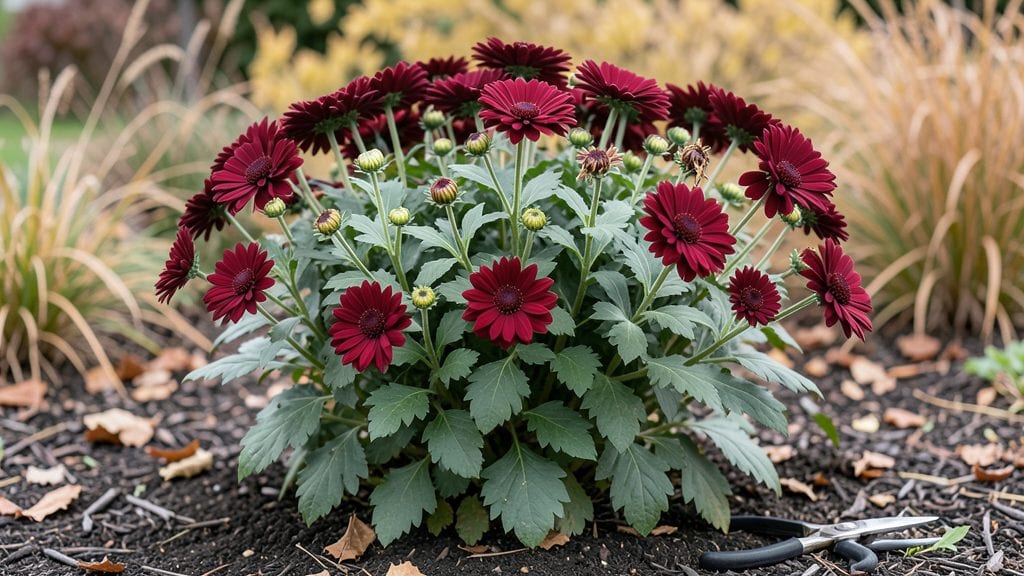
Growing hardy garden mums means your yard stays vibrant long after summer’s last heatwave. 🌟 These cold-tolerant beauties thrive where regular mums would freeze, turning fall into a riot of color that lasts until winter’s first hard frost.
My first batch surprised me—still blooming in November when most gardens had gone dormant.
The secret starts with the right spot: full sun to partial shade and well-draining soil that’s rich but not soggy. Most garden centers sell hardy varieties like ‘Autumn Joy’ or ‘William R. Smith,’ which handle temperatures down to 15°F—perfect for zones 5 through 9.
I’ve seen them bounce back after light freezes, their centers often turning a deep bronze that’s pure autumn magic.
Once planted, they’re low-maintenance stars. Water deeply once a week (more in extreme heat), deadhead spent blooms to encourage more flowers, and cut back foliage in late winter.
The payoff? Months of bold color with almost no fuss—your neighbors will wonder how you keep your garden looking so fresh when theirs has faded.
Even in tough climates, these mums reward patience. They multiply over time, spreading into naturalizing clumps that need less care each year. If pests like spider mites or powdery mildew appear, a simple spray of neem oil or insecticidal soap usually clears them up before they cause real damage.
Here’s how to set yours up for a show-stopping fall.
📚 In This Guide
- What you need
- Instructions
- Tips and common mistakes
- Wrapping up and next steps
What you need
- ● Hardy mum plants – Choose cold-hardy varieties like 'Autumn Joy', 'Purple Bush', or 'Snowball'. Buy 3–5 plants for a vibrant display.
- ● Well-draining potting mix – 5–10 gallons (depending on pot size) of a blend with 30–40% perlite or sand to prevent root rot.
- ● Organic fertilizer – A balanced 10-10-10 or slow-release 14-14-14 (follow package rates for application).
- ● Mulch – 2–3 inches of shredded bark, straw, or wood chips to insulate roots in winter.
- ● Garden trowel or transplanting spade – For digging holes 12–18 inches deep.
- ● Gloves – Heavy-duty gardening gloves to protect hands from thorns and soil.
- ● Watering can or hose with a gentle spray nozzle – Mums need 1–1.5 inches of water per week.
- ● Pruning shears – For deadheading spent blooms and shaping plants.
- ○ pH testing kit (optional) – Ideal soil pH for mums is 6.0–6.5.
- ● Sunlight – Full sun (6+ hours/day) for optimal blooming.
- ● Cold-hardy zone – Hardy mums thrive in USDA Zones 3–9.
- ● Drainage – Avoid soggy soil; raise pots or amend clay soil with compost.
Step-by-Step instructions for planting hardy garden mums
Here’s the straightforward method I’ve used to keep these showstopping blooms thriving through winter’s first frost.
🌱 Step 1: Choose the Right Location and Prepare the Soil
Hardy garden mums need full sun—at least 6 hours daily—to develop their signature fall color. I always pick a spot where they’ll get morning sun and afternoon shade if your climate runs hot. Before planting, loosen the soil to a depth of 12 inches with a garden fork to improve drainage.
Mix in 2 inches of compost into the top 6 inches of soil. This boosts nutrients without overwhelming the plants. Avoid fresh manure—it can burn tender roots. If your soil drains poorly, add a handful of perlite to the planting hole to prevent waterlogging, which mums hate.
🪴 Step 2: Plant at the Correct Depth and Spacing
Dig holes twice as wide as the root ball but only as deep as the container’s base. This keeps the crown (where stems meet roots) slightly above soil level—never buried. Gently remove the mum from its pot and tease apart any circling roots with your fingers.
Space plants 18-24 inches apart for full, rounded blooms. Closer spacing leads to crowded stems and fewer flowers. Place each plant in its hole, then backfill with soil, pressing lightly to eliminate air pockets. Water deeply right after planting to settle the soil and encourage root growth.
☀️ Step 3: Water and Mulch for Winter Resilience
Water deeply once a week during the first growing season, aiming for 1 inch of water total. You’ll know it’s enough when water drains 6 inches deep into the soil. Avoid overhead watering—it spreads disease. Instead, water at the base in the morning so foliage dries quickly.
After watering, spread 2-3 inches of mulch (like shredded bark or straw) around each plant, keeping it 3 inches away from stems. This insulates roots from winter’s freeze-thaw cycles. Replenish mulch in early spring—it breaks down over time and loses effectiveness.
✂️ Step 4: Prune and Feed for Next Season’s Blooms
In late winter or early spring, cut back stems to 2-3 inches above the ground. This removes dead growth and redirects energy into new shoots. Wear gloves—mums can be thorny! Prune on a dry day to prevent fungal spores from spreading if the plant is wet.
Apply a balanced, slow-release fertilizer (like 10-10-10) in early spring, following package rates. I skip summer fertilizing—mums store energy for fall blooms, and extra nutrients can lead to leggy growth. Watch for yellowing leaves after feeding; this signals over-fertilization, so cut back immediately.
⏰ Step 5: Protect from Late Frost and Winter Wind
If your area gets hard freezes below 10°F, cover mums with burlap or frost cloth after the first light frost. Remove it on sunny days to prevent rot. Never use plastic—it traps moisture and smothers plants. Hardy mums bounce back, but extreme cold can damage buds.
In windy climates, stake taller varieties with 3-foot bamboo stakes tied loosely to prevent flopping. Check stakes monthly—they can loosen as stems grow. By late fall, your mums will reward you with bold, long-lasting blooms that outshine summer annuals.
Tips & tricks for perfect hardy garden mums
Between us, these bold blooms are worth every bit of effort—and I’ve learned the hard way which details make all the difference. Here’s what nobody tells you about keeping your mums thriving through winter.
The Sunlight Secret: Those 6 hours of daily sun I mentioned? That’s non-negotiable for vibrant fall color. If your yard gets intense afternoon heat, position mums where they’ll catch morning sun and afternoon shade. I’ve seen mums in full afternoon sun wilt by October—trust me, you’ll notice the difference when they get that perfect balance.
Root Ball Rescue: When teasing apart circling roots in Step 2, don’t be shy—get aggressive! I used to leave them be, and my mums struggled to establish. Gently pull apart those roots with your fingers until they spread naturally. This encourages faster root growth and better nutrient uptake once planted.
Watering Wisdom: That 1 inch of water per week? Use a rain gauge or tuna can to measure—your eye can easily over- or underestimate. I learned this after watching my first batch of mums develop brown edges from inconsistent watering. Deep watering once a week beats light watering daily every single time.
Frost Protection Hack: When covering mums for hard freezes below 10°F, leave a small gap at the bottom of your frost cloth. This prevents trapped moisture from causing rot. I’ve seen so many gardeners smother their plants with plastic or fully sealed covers—don’t make that mistake! A little airflow goes a long way.
Pro Tips for Hardy Garden Mums
- Between us, these bold blooms are worth every bit of effort—and I’ve learned the hard way which details make all the difference.
- The Sunlight Secret: Those 6 hours of daily sun I mentioned?
- Root Ball Rescue: When teasing apart circling roots in Step 2, don’t be shy—get aggressive!
Frequently asked questions
When is the best time to plant hardy garden mums?
Plant them in early spring or late summer to early fall (4–6 weeks before your first frost). Spring planting gives roots time to establish before summer heat, while fall planting lets them bloom in their first season. For cold climates, avoid planting too late—mums need time to root before winter sets in!
How do I protect hardy mums from harsh winters?
Most hardy mums (like ‘Autumn Joy’ or ‘Purple Dome’) survive winters with mulch (3–4 inches of straw or shredded leaves) around the base. Cut back foliage in late winter (just before new growth appears) to prevent rot. If your winter is extremely cold (<10°F), add a light frost blanket for extra protection.
Why are my hardy mums not blooming as expected?
Bloom issues often stem from over-fertilizing (too much nitrogen = leafy growth, no flowers), poor sunlight (they need 6+ hours of sun daily), or stress from transplant shock. Prune leggy stems in early spring to encourage bushier growth. If they’re established but still struggling, check for pests like spider mites or aphids!
Can I grow hardy mums in containers?
Use 10–12 inch pots with well-draining soil and a mix of compost for nutrients. Containers dry out faster, so water regularly (but avoid soggy soil). In winter, move pots to a sheltered spot (like a garage or under an eave) or wrap them in bubble wrap to insulate roots. Dwarf varieties like ‘Little Goblin’ are perfect for pots!
What’s the difference between hardy mums and regular mums?
Hardy mums (e.g., Chrysanthemum × morifolium cultivars) are bred to survive winter in zones 5–9 without dying back, while regular mums are annuals or tender perennials that often need replanting yearly. Hardy mums also handle more humidity and less pampering—ideal for low-maintenance gardeners!
Pro Tip:
Want bigger blooms next year? Deadhead spent flowers in fall and feed with a low-nitrogen fertilizer (like 5-10-10) in early spring. Hardy mums reward patience—just give them the right conditions, and they’ll return year after year with bold color!
Wrapping up and next steps
Hardy garden mums are the perfect way to bring vibrant color and resilience to your fall landscape—no matter how chilly the weather gets! 🌿❄️ From choosing the right varieties to mastering care tips, these tough blooms prove that beauty and durability go hand in hand.
Now that you’re armed with the know-how, it’s time to get planting and enjoy a show-stopping season.
Ready to transform your garden? Pick your favorite hardy mum variety and start planning your fall display today—your future self (and your neighbors!) will thank you. 🌟