
Plants
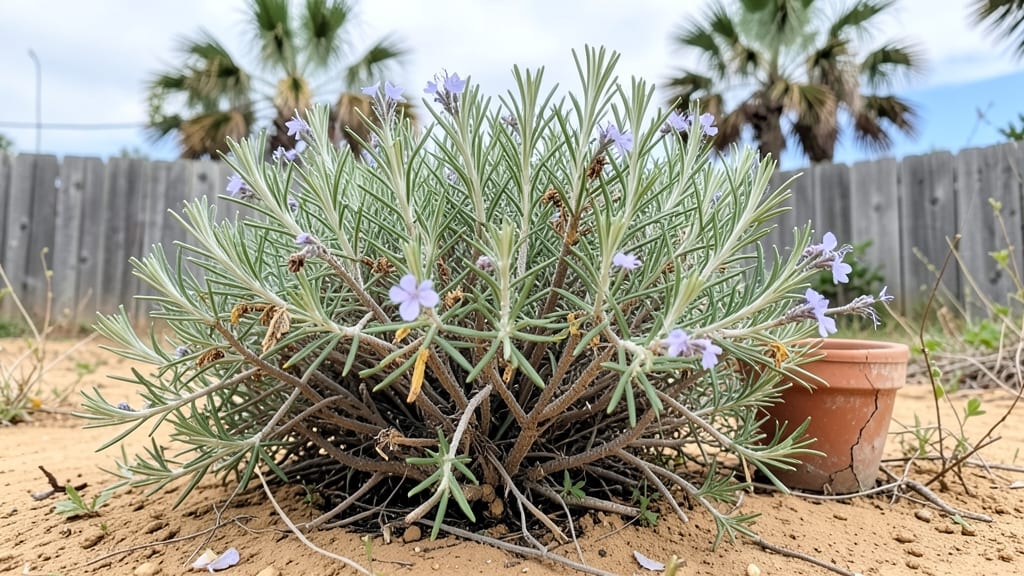
Designing a thriving herb garden 🌿 in Florida means embracing the heat and humidity—without letting them turn your plants into soggy messes.
Picture this: your kitchen steps away from fresh basil, rosemary, and thyme, all growing strong year-round. But Florida’s relentless sun and sticky air can turn even the hardiest herbs into wilted disappointments if you don’t play by the rules.
The key? Choosing the right plants, mastering watering tricks, and working with—not against—the climate.
You don’t need a sprawling backyard to pull this off. Whether you’re using containers on a balcony or a small raised bed, these strategies will keep your herbs lush, flavorful, and ready to harvest whenever you need them.
No more store-bought bottles of dried herbs when you can snip what you need from your own garden.
Below, I’ll walk you through the best Florida-friendly herbs, smart planting layouts, and the simple habits that keep your garden thriving—even when the thermometer hits 95°F. Let’s make your herb garden the envy of every neighbor.
Best Florida-friendly herbs for humidity and heat resistance
Florida’s tropical climate offers year-round gardening opportunities, but the humidity and intense heat can challenge even the hardiest herbs. The key is selecting varieties that not only tolerate these conditions but thrive in them.
Unlike cooler climates, some herbs—like parsley and dill—struggle here, while others, such as rosemary and thyme, dominate Florida gardens with their natural resilience. The right choices mean fewer wilting leaves and more vibrant, flavorful harvests.
Not all herbs are created equal when it comes to Florida’s steamy air and high temperatures. Some, like basil, bolt quickly in summer, while others, like mint, spread aggressively in the heat.
The herbs I’ve selected for this list have proven themselves in Florida’s USDA Zones 9a-11, offering both heat tolerance and humidity resistance. Whether you’re a beginner or a seasoned gardener, these varieties will keep your herb garden lush and productive.
| Herb | Sun Needs | Water Needs | Heat Tolerance | Humidity Tolerance | Best For |
|---|---|---|---|---|---|
| Basil | Full sun (6+ hrs) | Moderate (keep soil moist) | Moderate (bolts in extreme heat) | High (needs airflow) | Culinary, containers |
| Rosemary | Full sun (6+ hrs) | Low (drought-tolerant) | Very High (loves heat) | High (avoid soggy soil) | Mediterranean dishes, borders |
| Thyme | Full sun (6+ hrs) | Low (drought-resistant) | Very High (thrives in heat) | High (well-drained soil) | Ground cover, culinary |
| Mint | Partial shade (4-6 hrs) | High (keep moist) | Moderate (avoid wilting) | Very High (loves humidity) | Tea, containers (contains roots) |
| Cilantro | Partial shade (3-4 hrs) | Moderate (consistent moisture) | Low (bolts in heat) | Moderate (needs airflow) | Salads, cool season |
| Oregano | Full sun (6+ hrs) | Low (drought-tolerant) | High (heat-loving) | High (well-drained soil) | Italian dishes, borders |
| Lemongrass | Full sun (6+ hrs) | High (tropical needs) | Very High (thrives in heat) | Very High (loves humidity) | Asian cuisine, containers |
| Chives | Partial sun (4-6 hrs) | Moderate (consistent moisture) | Moderate (tolerates heat) | High (adaptable) | Salads, borders |
My top recommendation for Florida gardens
Proven techniques to protect herbs from Florida’s extreme weather
Florida’s humidity and intense sun can turn your herb garden into a battleground for survival. But with the right strategies, you can shield your plants from wilting, fungus, and heat stress.
I’ve learned that preparation is key—whether you’re dealing with monsoon rains or hurricane winds. Let’s dive into the techniques that keep my herbs thriving year-round.
First, shade cloth is my secret weapon. During peak summer, I drape 30-50% shade cloth over delicate herbs like basil and cilantro to filter harsh rays.
For rosemary and thyme, which love heat, I opt for dappled shade under larger plants. This simple step prevents leaf scorch while keeping humidity in check.
Before storm season, secure containers with bungee cords or sandbags. For in-ground herbs, mound soil around bases to prevent root exposure. Move potted herbs to sheltered areas like garages or under covered patios. After storms, inspect for fungal spots and prune damaged foliage immediately.
Next, watering discipline saves my herbs from root rot and wilting. Florida’s heavy rains can drown plants just as quickly as drought can dehydrate them. I water deeply in the morning—about 1-2 inches per week—and avoid evening watering to prevent fungal diseases.
For container gardens, I use self-watering pots with drainage holes to maintain consistent moisture.
Soil amendments are another game-changer. I mix perlite or sand into my planting beds to improve drainage, especially for water-loving herbs like mint and parsley. For sandy Florida soil, I add compost or coconut coir to retain moisture and nutrients.
This combo keeps roots aerated and healthy, even during monsoon seasons.
Container gardening offers flexibility, especially for herbs prone to bolting like cilantro. I use terracotta pots for their breathability and move them to shaded porches during afternoon heat.
Elevate containers with feet or bricks to prevent waterlogging and improve airflow. This method also makes it easier to rotate crops seasonally.
Finally, mulching is a low-effort way to regulate soil temperature and moisture. I spread straw or pine needles around herb bases to suppress weeds and reduce evaporation.
Mulch also acts as a buffer during hurricane winds, protecting tender stems. Just remember to keep mulch 2-3 inches away from plant stems to avoid rot.
With these techniques, my herb garden survives Florida’s extremes—and so will yours! Start with shade cloth and proper watering, then tweak based on your microclimate. Your herbs will thank you with bold flavors and lush growth all year. 🌿