
Companion Plants
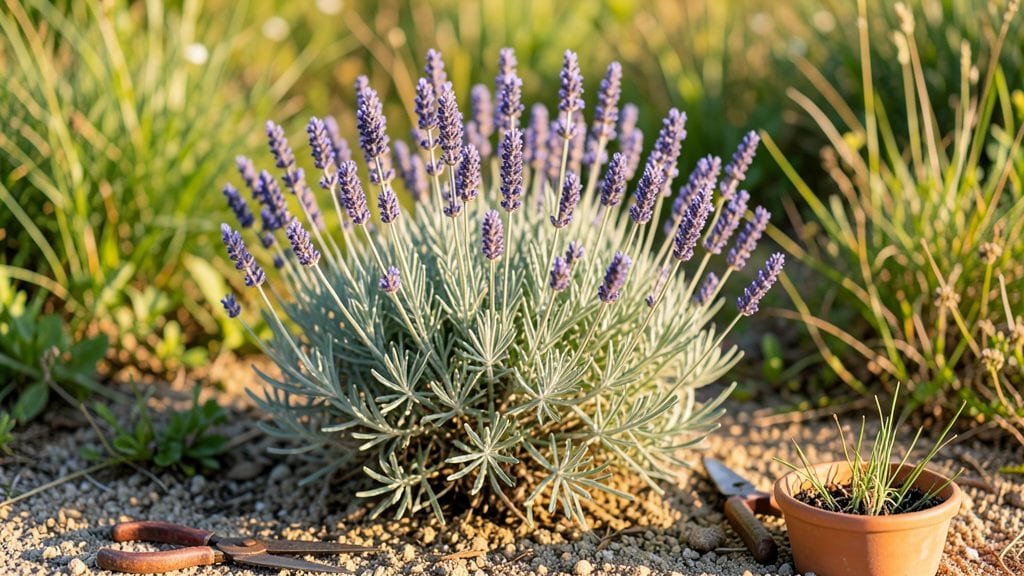
Your home garden plants don't just add beauty—they can keep pests at bay all year long. 🌿 I learned this the hard way after losing my entire tomato crop to aphids, but these natural bodyguards changed everything.
The best part? Many thrive with minimal effort, making them perfect for busy gardeners.
Marigolds, nasturtiums, and basil are my top three pest-repelling workhorses. Plant marigolds near tomatoes and peppers—their strong scent confuses pests, while nasturtiums lure aphids away from your veggies. Basil doubles as a culinary herb and a mosquito deterrent when planted near entryways. All three grow quickly and handle partial shade.
You'll notice fewer pests within weeks, and the plants themselves reward you with vibrant blooms or fresh leaves. The key is spacing them strategically—think of them as living shields rather than afterthoughts. Once established, they multiply effortlessly, giving you more plants to share or expand your garden.
Works in containers, raised beds, or in-ground plots, so adapt it to your space. The payoff isn't just fewer pests—it's a garden that feels alive and protective, year after year. Let's get those plants in the ground!
📚 In This Guide
- What you need
- Instructions
- Tips and common mistakes
- Wrapping up and next steps
What you need
- ● Companion plants: 3–5 pest-repelling varieties (e.g., basil, marigolds, lavender, nasturtiums, or catnip). Check spacing needs per plant (e.g., marigolds: 6–12" apart).
- ● High-quality potting soil: 1–2 bags (sterile, well-draining mix; avoid garden soil with pests).
- ● Containers or garden beds: Containers: 5–10" deep pots (1 plant per 6–8" diameter for herbs; larger for veggies like tomatoes).
- ● Garden beds: 6–12" deep, with full sun (6+ hours/day) or partial shade (4–6 hours).
- ● Organic fertilizer: Balanced (e.g., 10-10-10) or plant-specific (e.g., fish emulsion for leafy greens).
- ● Watering can or hose: With adjustable nozzle for gentle watering.
- ● Pruning shears: Sharp, clean pair for trimming dead leaves or overgrowth.
- ○ Gloves (optional but recommended): Lightweight, breathable pair for handling prickly plants (e.g., nasturtiums).
- ● Mulch: Straw or shredded leaves (1–2" layer) to retain moisture and deter weeds.
- ● Compost: Homemade or store-bought (adds nutrients; mix 1 part compost to 3 parts soil).
- ● Pest-control sprays: Neem oil or insecticidal soap (for stubborn pests like aphids).
- ● Stakes or trellises: For climbing plants (e.g., nasturtiums or cucumbers).
- ● pH test kit: To ensure soil pH is ideal (most companion plants prefer 6.0–7.0).
- ● Plant markers: Biodegradable labels to track varieties and planting dates.
Step-by-Step guide to planting year-round pest-repelling powerhouses
Here’s how to create a thriving, pest-resistant garden that works all year long.
🌱 Step 1: Choose the Right Pest-Repelling Plants for Your Climate
Start by selecting plants that naturally deter pests while thriving in your region. For example, marigolds (especially French marigolds) repel nematodes, aphids, and even mosquitoes, while basil keeps flies and thrips away. Lavender deters moths and fleas, making it perfect for patios or borders. I like to group these plants near vegetables to create a protective barrier.
Check your USDA hardiness zone to ensure your choices survive year-round. Some plants, like rosemary and thyme, handle frost well, while others, like citronella, need to be brought indoors in winter. If you’re unsure, start with a mix of perennials and annuals for flexibility.
🪴 Step 2: Prepare Planting Spots for Optimal Growth
Clear the area of weeds and loosen the soil to a depth of 6-8 inches using a garden fork. Amend the soil with 2-3 inches of compost to improve drainage and nutrient retention. If your soil is heavy clay, mix in 1 part perlite or sand to help roots breathe. I always test soil pH before planting—most pest-repelling plants prefer 6.0-7.0.
For container gardening, use well-draining pots with drainage holes and fill them with a lightweight potting mix. Place pots near windows or under grow lights if natural sunlight is limited. Group plants with similar water needs together to simplify care.
☀️ Step 3: Plant and Space for Maximum Pest Protection
Follow spacing guidelines on seed packets or plant tags to avoid crowding, which invites pests. For example, marigolds should be planted 12-18 inches apart, while basil thrives 8-12 inches apart. Dig holes slightly larger than the root ball, place plants gently, and backfill with soil, pressing lightly to remove air pockets.
Interplant pest-repelling species with your vegetables or flowers. For instance, nasturtiums near tomatoes deter hornworms, while mint near cabbage keeps aphids away. Water deeply after planting to settle the soil and encourage root growth. Avoid wetting foliage to prevent fungal diseases.
💧 Step 4: Maintain Year-Round with Water and Care
Water deeply once or twice a week, depending on rainfall, to encourage strong root systems. Most pest-repelling plants prefer 1 inch of water per week. Use a drip irrigation system or soaker hose to deliver moisture directly to the soil, reducing fungal risks. Mulch with 2-3 inches of organic mulch (like straw or shredded leaves) to retain moisture and suppress weeds.
Fertilize lightly in spring with a balanced, organic fertilizer (like 10-10-10) to support growth without attracting pests. Avoid over-fertilizing—too much nitrogen can make plants soft targets for insects. Prune regularly to improve airflow and remove any diseased or damaged leaves promptly.
✂️ Step 5: Monitor and Adjust for Long-Term Success
Inspect plants weekly for signs of pests or disease. Early detection makes treatment easier. If you spot aphids on your basil, spray with a soapy water solution (1 tsp mild soap per quart of water) or introduce ladybugs, which eat aphids naturally. Rotate plants every 2-3 years to prevent soil-borne diseases from building up.
In winter, protect tender plants with row covers or frost blankets if temperatures drop below 25°F. Bring potted plants indoors near a sunny window or under grow lights. Adjust watering—most pest-repelling plants need less water in cooler months. With consistent care, your garden will stay lush and pest-free year after year.
Tips & tricks for perfect year-round pest-repelling gardens
Real talk: Creating a pest-resistant garden isn't just about planting—it's about strategy. These tips will help you maximize your pest-repelling powerhouses and keep your garden thriving all year.
Plant Placement Matters: In Step 3, when you're interplanting, place your strongest pest-repelling plants like marigolds and basil near the edges of your garden beds. This creates a natural barrier that pests encounter first. For example, position marigolds around the perimeter—their strong scent acts as a first line of defense against mosquitoes and nematodes before they reach your vegetables.
Soil Preparation Secret: Don't skip the soil testing in Step 2! Most pest-repelling plants thrive in soil with a pH of 6.0-7.0, but this varies by plant. For instance, lavender prefers slightly alkaline soil (6.5-7.5), while basil does best in slightly acidic soil (6.0-6.5). A simple soil test kit (around $10) will save you from struggling with weak plants that attract pests.
Winter Protection Hack: When temperatures drop below 25°F in Step 5, don't just cover tender plants—create a microclimate. Group frost-sensitive plants like citronella together and place them near a south-facing wall or under a cold frame. This can raise temperatures by 5-10°F, giving your plants extra protection without needing row covers.
Watering Wisdom: The once or twice weekly watering in Step 4 works best if you water deeply in the morning. Wet foliage at night creates perfect conditions for fungal diseases, which can actually attract more pests. I use a simple timer on my drip irrigation system to deliver that 1 inch of water consistently without overwatering.
Pro Tips for Home Garden Plants
- Real talk: Creating a pest-resistant garden isn't just about planting—it's about strategy.
- Plant Placement Matters: In Step 3, when you're interplanting, place your strongest pest-repelling plants like marigolds and basil near the edges of your garden beds.
- Soil Preparation Secret: Don't skip the soil testing in Step 2!
Frequently asked questions
Got questions about keeping pests at bay with your home garden plants? You’re not alone! Here are some of the most common queries—plus straightforward answers to help you garden with confidence.
What are the easiest pest-repelling plants to grow for beginners?
Start with marigolds (deter ants and nematodes), basil (keeps flies and mosquitoes away), or lavender (repels moths and fleas). These thrive in most climates, require minimal care, and pack a punch against common pests. Pair them with veggies like tomatoes or peppers for bonus protection!
How soon after planting will these plants start repelling pests?
Most companion plants begin working within 2–4 weeks of planting, once they’re established. Fast growers like basil or nasturtiums may show effects sooner, while slower growers (e.g., rosemary) take a bit longer. Consistency is key—keep them healthy with proper watering and sunlight!
What do I do if pests still attack even with companion plants?
Don’t panic! Try these fixes:
- Rotate plants every few weeks to disrupt pest life cycles.
- Add neem oil or insecticidal soap as a natural spray.
- Introduce beneficial insects, like ladybugs or lacewings, to eat pests for you.
- Check for overcrowding—pests love dense, shaded areas.
Can I use these plants indoors to repel pests?
Place citronella, lavender, or mint near windows or doors to deter mosquitoes and ants. For larger pests (like rodents), try peppermint or lemongrass in pots. Just ensure they get enough light—most companion plants need 4–6 hours of sunlight daily to thrive.
When is the best time to plant pest-repelling companions?
For cool-season plants (like dill or garlic), plant in early spring or fall. Warm-season favorites (e.g., basil, marigolds) do best after the last frost, usually April–May in most regions. Always check your local frost dates for timing!
Pro Tip:
Need a low-maintenance option? Try chives or garlic—they’re tough, perennial in many zones, and repel aphids, Japanese beetles, and even rabbits. Plant them once, and they’ll keep working for years!
Wrapping up and next steps
Transforming your home garden into a pest-repelling paradise is easier than you think! By strategically planting companion flowers, herbs, and veggies, you’ll naturally deter unwanted critters while boosting your garden’s health and productivity. Start small—even a few key plants can make a big difference. 🌱
Ready to take the next step? Pick 2-3 pest-fighting plants from this guide, sketch a simple layout for your garden, and watch your green space thrive—without harsh chemicals. Happy planting! 🌿