
Vegetables
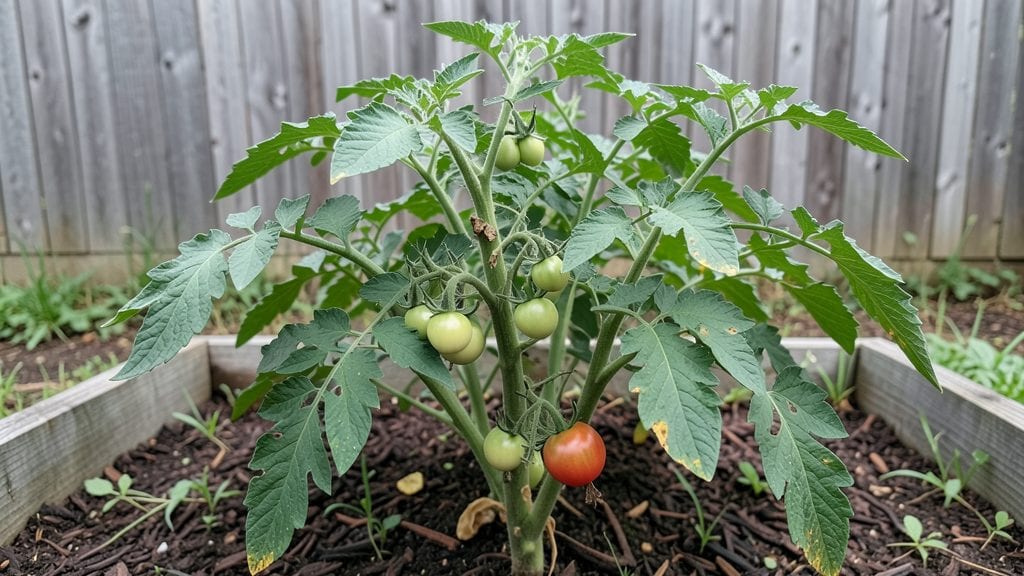
My first home vegetable garden turned a 4x8-foot patch into a summer salad bar—all by rearranging what I already had. The key wasn’t buying more soil or fancy tools, but stacking plants vertically, pairing fast growers with slow ones, and squeezing every inch of space.
I went from struggling with wasted rows to harvesting more in half the area, and the neighbors started asking for tips. 🌱
You don’t need a backyard or even full sun to make this work. Tall plants like pole beans or trellised cucumbers climb instead of sprawling, while shallow-rooted herbs and greens fill gaps below.
A single raised bed can produce enough tomatoes, peppers, and lettuce for a family of four—and the layout keeps weeds and pests from taking over. The best part? You’ll see results in just 6-8 weeks with the right setup.
Imagine snipping fresh basil for your dinner while your kids pick cherry tomatoes still warm from the sun. The space-saving tricks I’ll share turn even small balconies into productive gardens, with layouts that adapt to your yard’s shape and sunlight.
You’ll end up with a system that’s easier to maintain than a traditional plot, and one that actually delivers the harvest you dreamed of.
Whether you’re working with a sunny corner, a shady patio, or a full backyard, these layouts cut down on wasted space while boosting what you grow. The same principles work for containers, raised beds, or in-ground plots—just adjust the scale. Let’s get your garden producing more than you thought possible.
📚 In This Guide
- What you need
- Instructions
- Tips and common mistakes
- Wrapping up and next steps
What you need
- ● Garden Space: Minimum 4–6 hours of sunlight daily (containers need full sun).
- ● Raised beds, in-ground plots, or large containers (12"–18" deep for root crops).
- ● Soil & Fertilizers: High-quality potting mix (for containers) or garden soil (for in-ground).
- ● Compost (2–3 inches mixed into soil) or organic fertilizer (e.g., worm castings, fish emulsion).
- ● pH test kit (ideal range: 6.0–7.0).
- ● Seeds & Seedlings: Heirloom or hybrid seeds (choose fast-growing varieties like lettuce, radishes, or bush beans).
- ○ Seedlings (optional, for quicker harvests—pick sturdy, disease-free plants).
- ● Tools: Hand trowel or transplanting spade.
- ● Garden gloves (to protect from thorns/soil).
- ● Watering can or hose with adjustable nozzle.
- ● Pruners (for harvesting and trimming).
- ● Drip irrigation system or soaker hoses (for efficient watering).
- ● Mulch (straw or shredded leaves to retain moisture).
- ● Trellises or cages (for vining plants like cucumbers or peas).
- ● Row covers or shade cloth (to protect from pests/weather).
- ● Label markers (to track plant varieties).
Instructions for designing a high-yield home vegetable garden
Here's how to create a productive vegetable garden that fits any space while maximizing harvests.
🪴 Step 1: Assess Your Space and Sunlight
First, measure your growing area and map out sunlight patterns. Most vegetables need 6-8 hours of direct sun, so position taller plants like tomatoes and peppers where they won't shade shorter crops. I like to sketch a simple layout on graph paper—each square represents 1 square foot of space.
Observe your yard at different times of day. Morning sun is gentler, while afternoon sun can scorch tender greens. If you have partial shade, prioritize shade-tolerant crops like lettuce, spinach, or bush beans in those spots. Remember, even small spaces like balconies or patios can produce abundant harvests with the right planning.
🌱 Step 2: Plan Your Layout Using Companion Planting
Group plants that benefit from each other's presence to deter pests and improve growth. For example, pair tomatoes with basil (it repels flies and improves flavor) or plant marigolds around your entire garden to scare off nematodes. I divide my garden into three zones: tall plants in the back, mid-height crops in the middle, and shallow-rooted greens in front.
Use vertical space for vining plants like cucumbers or pole beans by adding trellises or stakes. This frees up ground space for other crops. For a 4-person garden, aim for about 20-25 square feet of planting area—this provides enough variety while keeping maintenance manageable. Always leave 18-24 inches between rows for easy access and airflow.
☀️ Step 3: Prepare the Soil and Plant in Blocks
Instead of traditional rows, create planting blocks that maximize space. For example, a 3-foot by 3-foot square gives you about 10 square feet of growing area—enough for 16 plants spaced 18 inches apart. Loosen the soil to a depth of 12 inches and mix in 2-3 inches of compost to improve fertility and drainage.
Plant in a staggered pattern rather than straight lines. This creates a natural trellis effect for climbing plants and makes harvesting easier. For instance, interplant bush beans with carrots—the beans provide shade for the carrots in hot weather, while the carrots deter bean beetles. Water deeply after planting to settle the soil around roots.
💧 Step 4: Implement a Watering and Maintenance Schedule
Water deeply 1-2 times per week, depending on your climate, rather than daily shallow watering. Aim for 1 inch of water per week, delivered at the base of plants to encourage deep root growth. I set a rain gauge in the garden to track moisture levels—when it reads 1 inch, I know it's time to water again.
Mulch with 2-3 inches of straw or shredded leaves to retain moisture, suppress weeds, and regulate soil temperature. Check plants regularly for signs of stress, like yellowing leaves or wilting, which often indicate over- or under-watering. Prune plants like tomatoes and cucumbers to redirect energy toward fruit production rather than excessive foliage.
✂️ Step 5: Harvest Strategically for Continuous Yields
Harvest vegetables when they're at peak ripeness to encourage more production. For example, pick beans every 2-3 days to keep plants producing, and harvest leafy greens like lettuce by cutting outer leaves while leaving the center to regrow. I always harvest in the morning when plants are cool and crisp—this preserves flavor and texture.
Rotate crops annually to prevent soil depletion and pest buildup. Keep a simple garden journal to track what you planted where and how each crop performed. This helps you refine your layout each season. With consistent care, a well-planned home vegetable garden can produce enough fresh produce for a family of four—and even yield extras to share with neighbors.
Tips & tricks for perfect home vegetable gardens
These space-saving tricks will help you maximize your garden's potential without sacrificing productivity.
The Sunlight Factor: Pay attention to how sunlight moves across your garden throughout the day. Tall plants like corn or sunflowers can cast significant shadows—position them on the north side of shorter crops in the Northern Hemisphere (or south side in the Southern Hemisphere) to prevent shading. I've found that even a 2-foot difference in height can make a big difference in sunlight exposure for plants below.
Companion Planting Secrets: In Step 2, when planning your layout, remember that some plant pairs work better together than others. For example, planting onions or garlic around roses deters aphids, while nasturtiums planted near cucumbers can reduce squash bug populations. I always keep a small reference chart nearby to visualize these pairings before breaking ground.
Soil Prep Game-Changer: Don't just mix compost into the soil—create a "compost sandwich" by layering 2-3 inches of compost on top of the soil, then tilling it in. This ensures even distribution of nutrients throughout the entire 12-inch depth you're loosening. For heavy clay soil, add a handful of coarse sand to improve drainage in those planting blocks.
Watering Wisdom: The 1-2 times per week guideline works best when you water deeply each time. I use a simple trick to check moisture: Stick your finger about 2 inches into the soil. If it feels dry, it's time to water. Early morning is the best time to water because it gives plants time to absorb moisture before the heat of the day.
Pro Tips for Home Vegetable Gardens
- These space-saving tricks will help you maximize your garden's potential without sacrificing productivity.
- The Sunlight Factor: Pay attention to how sunlight moves across your garden throughout the day.
- Companion Planting Secrets: In Step 2, when planning your layout, remember that some plant pairs work better together than others.
Frequently asked questions
Got questions about starting or optimizing your home vegetable garden?
Here are answers to the most common ones to help you grow confidently—no green thumb required!
How do I start a vegetable garden with limited space?
Use vertical gardening (trellises for vines like cucumbers or beans), container gardening (herbs in pots, cherry tomatoes in hanging baskets), or square-foot gardening. Even a balcony or patio can yield fresh veggies with the right layout!
When is the best time to plant vegetables in my region?
Timing depends on your hardiness zone and crop type. Cool-season veggies (like kale or peas) thrive in early spring/fall, while warm-season crops (tomatoes, peppers) need soil temps above 60°F (15°C). Check your local planting calendar for precise dates!
How do I keep pests away without chemicals?
Try natural deterrents like companion planting (marigolds repel nematodes), row covers for caterpillars, or homemade sprays (neem oil + water). Encourage beneficial insects (ladybugs, lacewings) by adding pollinator-friendly flowers to your garden edges.
What’s the cheapest way to start a home vegetable garden?
Skip store-bought soil—use composted yard waste or free local resources (check community boards). Save seeds from heirloom plants, reuse containers (clean yogurt cups, buckets), and propagate cuttings (basil, mint) from grocery-store scraps. Start small to test what grows best!
Why are my vegetable plants wilting even though I’m watering them?
Overwatering or poor drainage can drown roots, while underwatering causes stress. Check soil moisture 1 inch (2.5 cm) deep—it should feel damp but not soggy. Mulch helps retain moisture, and well-draining soil (mix sand or perlite) prevents waterlogged roots.
Wrapping up and next steps
Starting a home vegetable garden doesn’t require a sprawling backyard—just creativity and smart space-saving layouts! 🌱 From vertical planters to square-foot gardening, these techniques help you grow fresh, homegrown produce anywhere, whether you’re a seasoned gardener or just beginning.
The key is to plan ahead, optimize your space, and enjoy the process of nurturing your own food.
Ready to turn your green thumb into a harvest? Pick one layout that excites you, gather your supplies, and get planting! Even small steps—like adding a few herbs to your windowsill—can make a big difference. Happy gardening! 🌿