
Planting
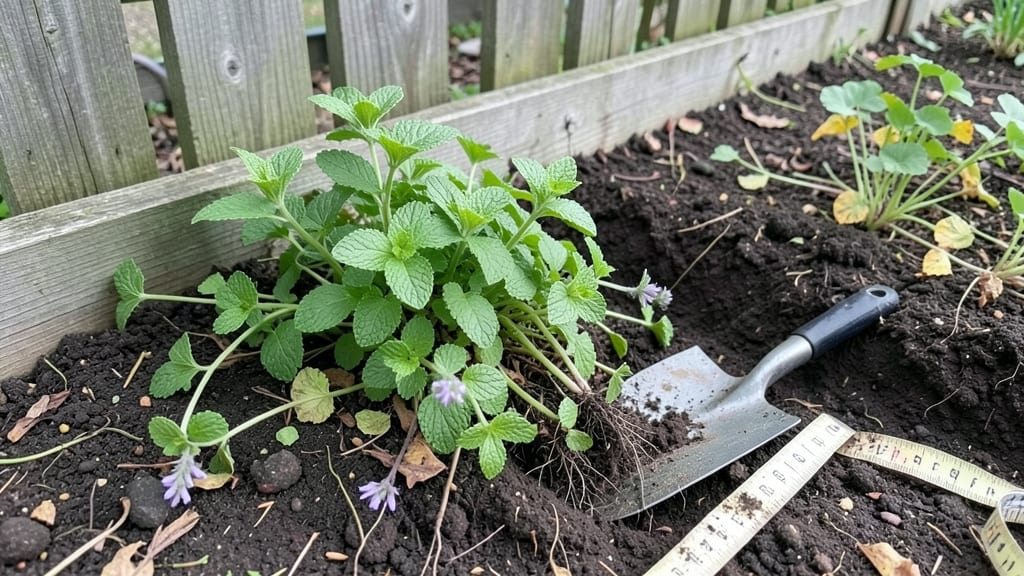
Understanding how deep to make raised garden beds is key—because the right depth transforms your garden from decent to extraordinary, fueling bigger harvests and stronger roots.
Struggling to decide how deep your raised garden beds should be? The right soil depth isn’t just about aesthetics—it’s the foundation for healthy root growth, better drainage, and higher yields. Get the science-backed measurements that will transform your garden’s productivity.
Most vegetables need at least 6 to 12 inches of soil, but deep-rooted crops like carrots or potatoes demand even more. Shallow beds may work for herbs, but they’ll leave your tomatoes and peppers fighting for space.
Below, I’ll break down the exact depths for your favorite plants, how to adjust for containers, and the one mistake that stunts growth before it even starts.
Ideal raised garden bed depth for root growth and plant success
When building raised garden beds, soil depth isn’t just about aesthetics—it directly impacts root development, water retention, and plant productivity.
The USDA recommends a minimum of 6 inches for most plants, but many vegetables need 12+ inches to thrive. Shallow roots like herbs and lettuce adapt to 6–8 inches, while deep-rooted crops like carrots and potatoes demand deeper beds to avoid stunted growth.
The science behind soil depth ties to oxygen availability, nutrient access, and root stability. Deeper beds prevent roots from hitting hardpan or compacted soil, which restricts growth.
For example, carrot roots can grow up to 12 inches, so beds must match their needs. Shallow-rooted herbs, like basil or thyme, thrive in 6-inch layers but benefit from extra depth for better moisture control.
Drainage layers also play a critical role. Adding 2–4 inches of gravel or compost at the bottom improves airflow and prevents waterlogging. This layer is especially important in clay-heavy soils or regions with heavy rainfall. Container gardens follow similar rules but may require extra depth due to faster drying soil.
Here’s a quick reference for ideal raised bed depth based on plant types and growing conditions:
| Plant Type | Minimum Depth | Notes |
|---|---|---|
| Herbs (basil, parsley, thyme) | 6–8 inches | Shallow roots; add compost for nutrients. |
| Leafy greens (lettuce, spinach) | 6–10 inches | Moderate roots; prioritize moisture retention. |
| Root vegetables (carrots, beets) | 12+ inches | Deep roots need loose, stone-free soil. |
| Tomatoes, peppers, cucumbers | 10–12 inches | Strong roots; stake for support in deeper beds. |
| Flowers (marigolds, zinnias) | 6–8 inches | Shallow roots; ideal for borders or containers. |
| Containers/window boxes | 8–12 inches | Drainage holes required; use lightweight soil. |
Permanent raised beds often benefit from 12–18 inches of soil to accommodate perennial plants or deep-rooted perennials like asparagus. The extra depth also reduces soil compaction over time, making maintenance easier. For urban gardens with space constraints, multi-tiered beds can maximize depth while saving ground space.
If you’re using wooden frames, ensure the height accommodates your soil depth plus 2–3 inches for mulch. Untreated cedar or redwood are excellent choices—they resist rot and last 10+ years.
Avoid pressure-treated wood, as chemical leaching can harm plants. For heavy clay soils, consider elevated beds to improve drainage and prevent waterlogging.
Testing your soil before building is a game-changer. A simple jar test (layering soil in water) reveals texture and drainage. Sandy soils drain too quickly, while clay holds too much moisture—both require amendments. Mixing in compost or coconut coir improves structure, ensuring roots get the ideal balance of air and water.
One common mistake is underestimating depth for future plantings. If you plan to grow potatoes or sweet potatoes, aim for 18+ inches to avoid harvesting half-grown tubers. Succession planting also matters—deeper beds let you rotate crops without disturbing roots.
For example, plant radishes (6-inch roots) early in the season, then replace them with carrots (12-inch roots) later.
For container gardening, depth becomes even more critical. A 5-gallon pot may work for herbs or lettuce, but tomatoes or peppers need at least 12 gallons (about 12–18 inches deep).
Add hydrogel crystals to retain moisture in smaller containers. Always include drainage holes to prevent root rot, a silent killer in overwatered soils.
Remember, depth isn’t the only factor—soil quality and drainage matter just as much. A 6-inch bed with
How to adjust raised bed depth for specific vegetables and containers
Not all plants need the same soil depth, and neither do all raised beds! While a standard 6–12-inch depth works for many vegetables, root crops like carrots or potatoes demand extra space.
Container gardens and window boxes require even more precision—sometimes just 4–6 inches is enough for herbs. Let’s break down how to tailor your raised bed depth to your plants and growing setup.
Before adjusting depth, consider your container material (wood, metal, fabric) and drainage needs. A 6-inch drainage layer of gravel or compost at the bottom is non-negotiable for containers, leaving less space for soil.
For permanent beds, prioritize root-friendly soil layers and avoid compacting the bottom with heavy materials like concrete blocks.
📌 Raised Bed Depth Guide for Popular Plants
- 12+ inches for deep-rooted crops like potatoes, asparagus, and carrots—their roots need room to spread. Add a 12-inch soil layer over a 4-inch drainage layer.
- 8–12 inches for medium-rooted plants such as tomatoes, peppers, and beans. This depth ensures stability and moisture retention without overbuilding.
- 6–8 inches suffices for shallow-rooted greens like lettuce, spinach, and herbs. Use this for window boxes or compact containers.
- 4–6 inches works for container herbs (e.g., basil, thyme, parsley) in pots or tiered planters. Pair with well-draining soil mixes to prevent root rot.
- Adjust for multi-tiered beds: Deeper tiers (12+ inches) at the bottom for root crops, shallower tiers (6 inches) at the top for herbs or flowers.
For containers and window boxes, depth isn’t just about soil—it’s about weight and stability. Use lightweight fabric grow bags or plastic pots for herbs, but reinforce deeper containers with support frames to prevent tipping.
If growing potatoes in containers, opt for 18-inch-deep grow bags to accommodate their tuber expansion.
Troubleshooting compacted soil or poor drainage starts with layering. Add a 2-inch layer of coarse sand or perlite at the bottom, followed by compost and topsoil.
Avoid heavy clay soils—mix in peat moss or coconut coir to improve aeration. For sandy soils, incorporate organic matter like leaf mold to retain moisture.
Pro tip: Test your soil depth before planting. Use a trowel or ruler to measure from the base to the top of the soil line. If your carrots are bending or tomatoes topple easily, it’s time to extend your bed’s height or switch to deeper containers.
Think of your raised bed as a customizable ecosystem—adjust it to fit your plants’ needs!
🌱