
Picking
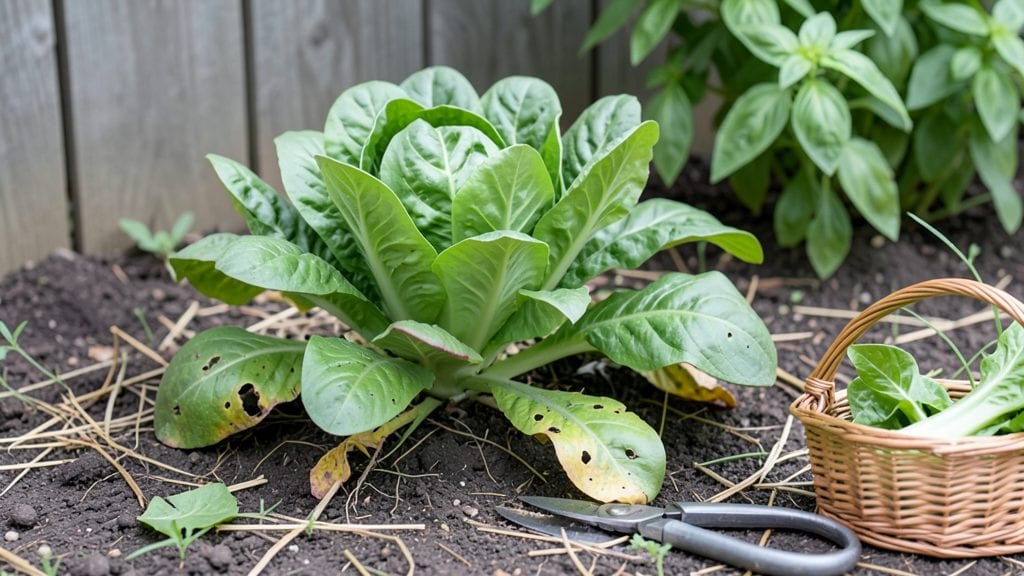
Picking romaine lettuce from the garden at the right time turns crisp stalks into restaurant-quality salads. 🌱 I used to yank the whole plant, leaving nothing behind—until I learned the gentle cut that keeps producing tender leaves for weeks.
The secret isn’t just timing; it’s how you handle the plant and what you leave growing.
You’ll need sharp scissors or a knife to avoid crushing the stems, plus a clear morning when the leaves are cool and crisp. Most importantly, leave the inner leaves and the base intact—this is what regrows into fresh harvests.
Romaine bolts quickly when stressed, so timing matters: pick outer leaves when they’re 6–8 inches tall, leaving the center to keep growing.
After your first harvest, you’ll notice new growth within days, and with proper care, you can keep picking tender leaves for months. The flavor stays sweetest when you harvest regularly, and the plants reward you with thicker stalks over time.
Just avoid cutting into the base—this is the plant’s lifeline for regrowth.
This method works for both loose-leaf and head varieties, and even small gardens can produce enough for weekly salads. The key is patience and precision—no more sad, wilted lettuce left to bolt in the heat. Let’s get those crisp stalks into your kitchen!
📚 In This Guide
- What you need
- Instructions
- Tips and common mistakes
- Wrapping up and next steps
What you need
- ● Sharp kitchen shears or pruning shears – A pair with clean, stainless-steel blades (4-6 inch blades work best) to avoid crushing stems.
- ○ Gloves (optional but recommended) – Nitrile or cotton gloves to protect your hands from dirt, thorns (if near other plants), or sap.
- ● Harvesting basket or tray – A shallow, breathable container (like a woven basket or plastic crate) to prevent bruising the leaves.
- ● Spray bottle with water – For a quick rinse if your lettuce is dusty or dirty (use room-temperature water to avoid shocking the plants).
- ● Paper towels or clean cloth – To gently pat leaves dry and remove debris.
- ○ Small knife (optional but handy) – A serrated or utility knife for trimming tough stems or removing outer leaves.
- ● Know your lettuce’s maturity – Romaine typically takes 60-80 days to reach harvest size. Check the seed packet for your variety’s timeline!
- ● Harvest on a cool, dry day – Avoid picking after rain or in scorching heat to preserve crispness.
- ● Check for pests – Inspect leaves for aphids, slugs, or holes before harvesting. Remove affected leaves to prevent spread.
- ● Leave some growth for regrowth (if desired) – If your romaine is a cut-and-come-again variety, trim leaves 2-3 inches above the base to encourage new growth.
Step-by-Step instructions for harvesting romaine lettuce at peak freshness
Here's how to pick your garden-grown romaine so every leaf stays crisp and tender.
🌿 Step 1: Identify the Right Time to Harvest
Harvest romaine when the outer leaves reach 6-8 inches tall and the inner heart remains compact. The leaves should feel firm to the touch, not floppy or wilted. This usually happens 45-60 days after planting, depending on your climate. I know it's ready when I can see the crisp white ribs clearly between the green leaves.
Don't wait until the entire head bolts or flowers—this makes the leaves bitter and tough. The best time to harvest is on a cool morning after dew has dried. This ensures the leaves are hydrated but not wet, which prevents disease and keeps them crisp.
✂️ Step 2: Use the Proper Cutting Technique
Grab the romaine by its outer leaves and give it a clean cut 1 inch above the soil line with a sharp knife or garden shears. This allows the plant to regrow from the base, giving you multiple harvests per plant. I always use a sterilized blade to prevent any bacterial transfer that could spoil the remaining plant.
Never pull the entire head out of the ground—this kills the plant. Instead, cut just above the base where the leaves meet the soil. This method encourages the plant to produce new leaves, so you'll get a second harvest in 2-3 weeks if you keep the soil moist and shaded.
💧 Step 3: Handle the Lettuce Immediately After Picking
Place your freshly cut romaine in a bucket of ice water for 10-15 minutes to crisp up the leaves. This step is crucial for maintaining that garden-fresh tenderness. After soaking, gently shake off the excess water and pat the leaves dry with a clean kitchen towel or paper towels.
Store the lettuce in a sealed plastic bag with a paper towel to absorb any moisture. Keep it in the crisper drawer of your refrigerator, where the humidity and cool temperature will preserve freshness. You'll notice the leaves stay crisp for up to 10 days this way—far longer than store-bought lettuce.
🌱 Step 4: Encourage Regrowth for More Harvests
After harvesting, water the base of the plant deeply but gently to encourage regrowth. Romaine lettuce is one of the most forgiving greens—it often bounces back even after a heavy harvest. Within 5-7 days, you should see new growth emerging from the center.
To protect the regrowing plant, provide partial shade during the hottest part of the day. Use a light shade cloth if temperatures regularly exceed 85°F. This prevents bolting, which turns the lettuce bitter. Keep the soil consistently moist but not soggy—your goal is to keep the roots happy while the plant recovers.
🌿 Step 5: Monitor for Pests and Diseases
After harvesting, inspect the remaining plant for aphids, slugs, or signs of rot. These pests love stressed plants, so act quickly if you spot any. I usually spray the leaves with a neem oil solution (1 tablespoon per quart of water) as a preventive measure. This keeps the plant healthy and ready for your next harvest.
If you notice yellowing leaves or mushy spots, remove those immediately and adjust your watering. Overwatering is the most common issue after harvesting—too much moisture can lead to fungal growth. Let the soil dry out slightly between waterings, and you'll keep your romaine thriving for multiple cuts.
Tips & tricks for perfect garden-fresh romaine lettuce
These simple tricks will help you harvest romaine lettuce that stays crisp and tender for days—no more sad, wilted leaves!
Timing Secret: In Step 1, when checking for readiness, look for the crisp white ribs between leaves as your ultimate indicator. The outer leaves should be 6-8 inches tall but still firm—not floppy. I've learned the hard way that harvesting too late (when the head bolts) turns those tender leaves bitter and tough. Trust the ribs—they're your secret to perfect texture!
Cutting Technique: For Step 2, sterilize your knife with rubbing alcohol before cutting—this prevents bacterial transfer that can spoil your plant. I always use garden shears for a clean cut 1 inch above soil level. This precise cut encourages regrowth and keeps the remaining plant healthy. Never pull the whole head—you'll lose future harvests!
The Crisp Factor: That 10-15 minute ice water bath in Step 3 is non-negotiable for crispness. The cold water shocks the leaves into peak freshness. After soaking, I pat them dry with paper towels to remove excess moisture—wet leaves spoil faster. Pro tip: Add a splash of lemon juice to the ice water for extra brightness and to slow oxidation.
Regrowth Strategy: After harvesting, water deeply but gently at the base to encourage new growth. In Step 4, I always provide partial shade if temps hit 85°F—this prevents bolting. Keep soil moist (not soggy) and you'll get a second harvest in 2-3 weeks. The key is consistency—don't let the roots dry out completely during regrowth.
Pro Tips for How Do You Pick Romaine Lettuce From The Garden
- These simple tricks will help you harvest romaine lettuce that stays crisp and tender for days—no more sad, wilted leaves!
- Timing Secret: In Step 1, when checking for readiness, look for the crisp white ribs between leaves as your ultimate indicator.
- Cutting Technique: For Step 2, sterilize your knife with rubbing alcohol before cutting—this prevents bacterial transfer that can spoil your plant.
Frequently asked questions
When is the best time to harvest romaine lettuce?
Harvest romaine lettuce in the early morning after the dew has dried but before the sun gets too hot. This ensures the leaves are crisp and hydrated. For baby romaine, you can start picking outer leaves as soon as they reach 4–6 inches tall. For full-sized heads, wait until they’re firm and upright, usually 60–80 days after planting.
How do I know if my romaine lettuce is ready to pick?
Romaine is ready when the outer leaves are 8–12 inches tall, and the head feels firm but not woody. Gently squeeze the head—if it’s compact and the leaves are crisp, it’s harvest time! Avoid waiting too long, or the core may become bitter. For loose-leaf varieties, pick outer leaves when they’re large enough to use, leaving the inner growth to continue.
Can I cut romaine lettuce instead of pulling the whole head?
Yes! For continuous harvests, cut the outer leaves about 1–2 inches above the base using clean scissors or a sharp knife. This encourages regrowth and extends your harvest season. Just avoid cutting into the inner heart unless you’re ready to pick the whole head. For head romaine, always cut the entire stalk at the base to avoid damaging the plant.
What should I do if my romaine lettuce bolts or goes to seed?
Bolting (sending up a flower stalk) happens when romaine senses heat or stress. If this occurs, harvest the outer leaves immediately—they’ll be sweeter and more tender. To prevent bolting next season, plant in cool weather (spring/fall), use shade cloth in summer, and choose heat-tolerant varieties like ‘Parris Island Cos’ or ‘Jericho’. Once it bolts, the leaves will become bitter, but you can still use them in cooked dishes.
What can I do with romaine that’s past its prime or wilted?
Don’t toss wilted romaine! Revive it by soaking the leaves in ice water for 10–15 minutes to crisp them up. For overgrown or bitter leaves, chop them finely and use in soups, salads, or smoothies. You can also blanch and freeze the leaves for later use. If the core is too tough, compost it—it’s still nutrient-rich for your garden!
Wrapping up and next steps
Picking romaine lettuce from your garden is a rewarding experience—one that turns fresh, homegrown harvests into meals bursting with flavor and nutrition! 🌱 By following the right techniques, you’ll ensure crisp stalks and tender leaves every time.
Whether you’re a seasoned gardener or just starting, your efforts will pay off with vibrant, ready-to-eat greens.
Now that you’re equipped with the know-how, take the next step: head to your garden, grab your shears, and enjoy the satisfaction of harvesting your own crisp romaine. Share your bounty with friends or savor it in your favorite salads—your garden just gave you a taste of success! 🥗✨