Fertilization
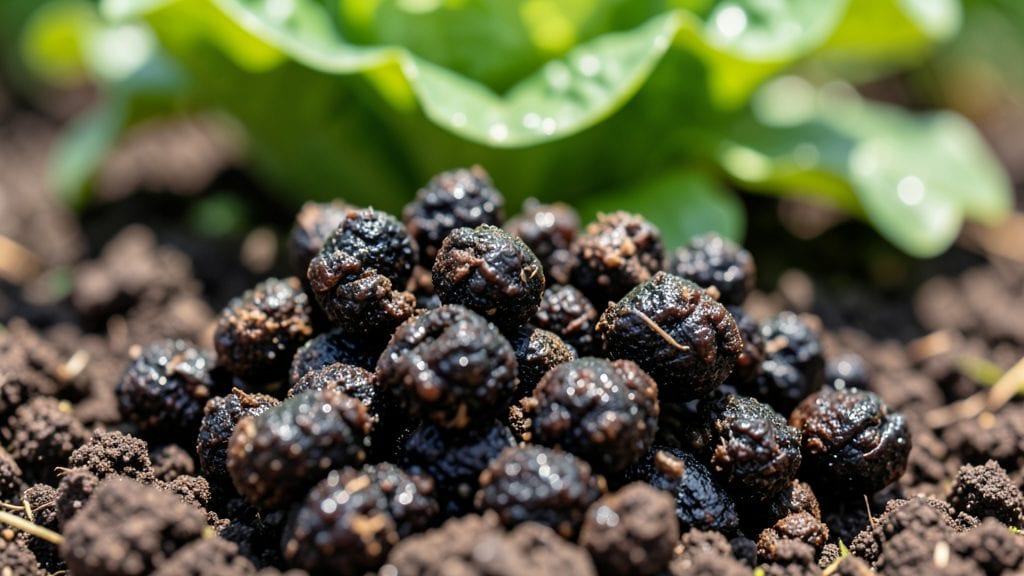
To determine how much rabbit manure to use in garden, start with a 1:4 ratio (1 part fresh manure to 4 parts soil) for vegetable beds, or a 1:2 ratio if using composted rabbit manure. Apply 1-2 inches over soil, till lightly, and water well to prevent plant burn. Overuse risks ammonia damage to roots, so moderation is key.
Rabbit manure stands out because its NPK ratio (4-2-2) delivers balanced nutrients without the high salt content of synthetic fertilizers. 🌱 The composting process further stabilizes nutrients, making them gentler on plants while improving soil structure over time.
Unlike fresh manure, which can scorch roots, properly aged rabbit manure enhances microbial activity—think of it as a slow-release fertilizer that feeds both plants and soil life.
For vegetable gardens, the 1:4 ratio ensures nitrogen-rich growth without overwhelming plants, while flowering plants often benefit from the composted 1:2 version. Timing matters too—spring applications work well for cool-season crops, while fall top-dressing prepares soil for spring planting.
Just remember: less is more with fresh manure, as its high nitrogen content can quickly become problematic if overapplied.
💡 In This Article
- Rabbit Manure Nutrient Breakdown and Soil Impact
- Best Practices for Applying Rabbit Manure by Plant Type
Rabbit manure nutrient breakdown and soil impact
Rabbit manure has a distinctive NPK ratio of 4-2-2, meaning it contains four times more nitrogen than phosphorus or potassium by weight. This balance makes it particularly effective for leafy vegetables like lettuce and spinach, which thrive on nitrogen for lush growth.
The nitrogen content comes primarily from urea and uric acid in the manure, which break down into ammonia—a potent but potentially harmful nutrient if not managed properly. 🌱 Unlike synthetic fertilizers that deliver immediate but short-lived nitrogen spikes, rabbit manure releases nutrients gradually, feeding plants over weeks rather than days.
The phosphorus and potassium components (2% each) support root development and flowering, though these are present in smaller quantities compared to nitrogen. What sets rabbit manure apart is its calcium and magnesium content, which can reach 1-2% each—critical for cell wall strength and enzyme activation in plants.
These secondary nutrients are often lacking in other organic fertilizers like cow or horse manure, which focus more heavily on NPK. The granular texture of rabbit manure also means it integrates more evenly into soil than larger clumps of horse manure, reducing compaction risks.
Composting rabbit manure transforms it from a high-risk, high-reward fertilizer into a stable soil amendment. During composting, microbial action breaks down the urea and uric acid, converting them into less volatile forms of nitrogen that won't burn plant roots.
This process also creates humus-like compounds that improve soil structure by increasing water retention and aeration—similar to how adding coconut coir enhances potting mixes. The result is a crumbly, dark amendment that resembles well-aged compost, with a pH-neutral to slightly alkaline profile (around 7.5-8.5), ideal for most garden plants.
Here's how the nutrient breakdown compares to other common organic fertilizers:
- Cow manure: Typically 0.5-1.0% NPK (1-0.5-0.5 ratio), with higher carbon content that requires longer composting
- Horse manure: 0.6-1.0% NPK (1-0.3-0.5 ratio), but contains more weed seeds and higher phosphorus
- Chicken manure: 1.5-4.0% nitrogen (often 4-2-1 ratio), but requires 6+ months of composting due to high ammonia risks
The key advantage of rabbit manure lies in its low carbon-to-nitrogen ratio (C:N ~20:1), which means it decomposes quickly but predictably. This makes it perfect for side-dressing applications during the growing season, where plants can immediately utilize the nitrogen without overwhelming the soil ecosystem.
For example, a 10-foot row of tomatoes would benefit from 1-2 gallons of composted rabbit manure worked into the soil at planting, followed by a top-dressing of ½ cup per plant when flowers appear.
What most gardeners overlook is how rabbit manure stimulates beneficial microbial activity. The decomposition process releases enzymes that break down complex organic matter, creating a microbe-rich environment similar to what you'd find in a thriving compost pile.
These microbes then produce growth-promoting hormones like auxins and cytokinins, which enhance root development and stress resistance in plants. This is why gardens amended with rabbit manure often show improved drought tolerance and disease resistance compared to those using synthetic fertilizers.
The takeaway? Rabbit manure isn't just fertilizer—it's a soil conditioner that builds long-term fertility. While its 4-2-2 NPK ratio makes it ideal for nitrogen-loving plants, the real magic happens below the surface where microbes transform it into a powerhouse for healthy soil structure. 💫