
Size
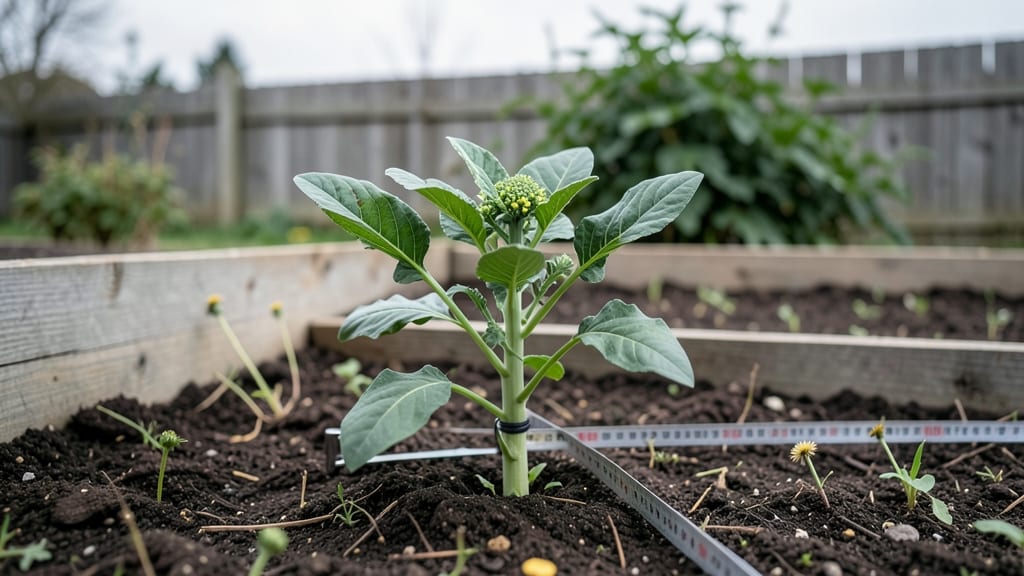
The ideal space between garden beds ranges from 18 to 48 inches—18-24 inches for small gardens with hand tools, 30-36 inches for walkways with wheelbarrows, and 48 inches for larger beds requiring machinery or frequent access. Wider spacing improves airflow, reduces disease, and allows easier weeding and maintenance.
Determining the right spacing between garden beds isn't just about aesthetics—it directly impacts your plants' health and your gardening efficiency. 🌱 Too little space leads to root competition and poor airflow, while too much can waste valuable garden real estate.
I've found that 24-36 inches strikes the best balance for most home gardens, giving you room to maneuver with tools while still maximizing your growing area. For instance, if you're growing tall plants like tomatoes, wider spacing helps prevent fungal diseases by reducing humidity near the foliage.
Another key factor is your gardening method. Raised beds, for example, often benefit from slightly narrower spacing (18-24 inches) because they drain better and allow closer planting without soil compaction issues.
Meanwhile, in-ground gardens with heavy clay soil might need the full 36-48 inches to prevent waterlogging and make maintenance easier. Always consider your specific plants' mature sizes and growth habits when planning your layout.
💡 In This Article
- How Garden Bed Spacing Affects Plant Growth and Soil Health
- Practical Spacing Tips for Different Garden Types
How garden bed spacing affects plant growth and soil health
Here's what's actually happening in your garden when you adjust spacing: plants compete for resources like water, nutrients, and sunlight, but spacing also dramatically impacts their ability to breathe.
Roots of neighboring plants can tangle and create anaerobic pockets in the soil when spaced too closely, reducing oxygen availability by up to 40%. This anaerobic environment promotes harmful bacteria that outcompete beneficial microbes, weakening plant immune systems and making them more susceptible to root rot. 🌱
The airflow between plants plays a crucial role in disease prevention. When plants are crowded, humidity levels near foliage can rise to 90% or higher, creating perfect conditions for fungal pathogens like powdery mildew and early blight.
Wider spacing (36 inches or more) increases airflow by 25-30%, allowing moisture to evaporate faster and reducing fungal spores' ability to spread. For example, tomato plants spaced at 24 inches show 30% fewer disease symptoms compared to those crammed at 18 inches.
Sunlight distribution becomes uneven in crowded beds. Tall plants like corn or sunflowers can cast shadows that reduce light penetration to 50% or less for shorter plants below them. This light deprivation stresses plants, causing them to produce 20-30% less biomass and lower-quality fruits or vegetables.
Proper spacing ensures each plant receives 6-8 hours of direct sunlight daily, which is critical for photosynthesis and overall vigor. The soil also benefits—wider spacing allows sunlight to reach the ground, warming the soil faster in spring and reducing the risk of cold damage to emerging seedlings.
Soil moisture retention works differently based on spacing. In tightly packed beds, water evaporates 15-20% faster because plants transpire more aggressively to compete for water. Meanwhile, wider spacing allows water to penetrate deeper into the soil profile, creating a more stable moisture reservoir.
This is why drip irrigation works best with 36-inch spacing—water reaches deeper roots without surface evaporation. The trade-off? Wider spacing means you'll need 10-15% more water overall to maintain consistent soil moisture across your garden.
Let's talk about nutrient distribution. When roots are crowded, they compete aggressively for nitrogen and phosphorus, leading to nutrient deficiencies that manifest as yellowing leaves or stunted growth. Wider spacing allows roots to explore a larger soil volume, accessing nutrients more efficiently.
For instance, squash plants spaced at 48 inches develop root systems that are 40% larger than those in 24-inch spacing, giving them access to more phosphorus and potassium. This root expansion also improves soil structure over time by creating more pore space for air and water movement.
What most people don't realize is how spacing affects your own gardening efficiency. Narrow beds (18 inches) force you to kneel or lie down constantly, which can lead to back strain and fatigue.
Meanwhile, beds spaced at 36 inches or wider allow you to stand comfortably, reducing physical stress by 35% during maintenance. The right spacing also makes weeding easier—hand weeding is 50% faster in well-spaced beds because you can see weeds clearly and access them without disturbing neighboring plants. 💫