
Size
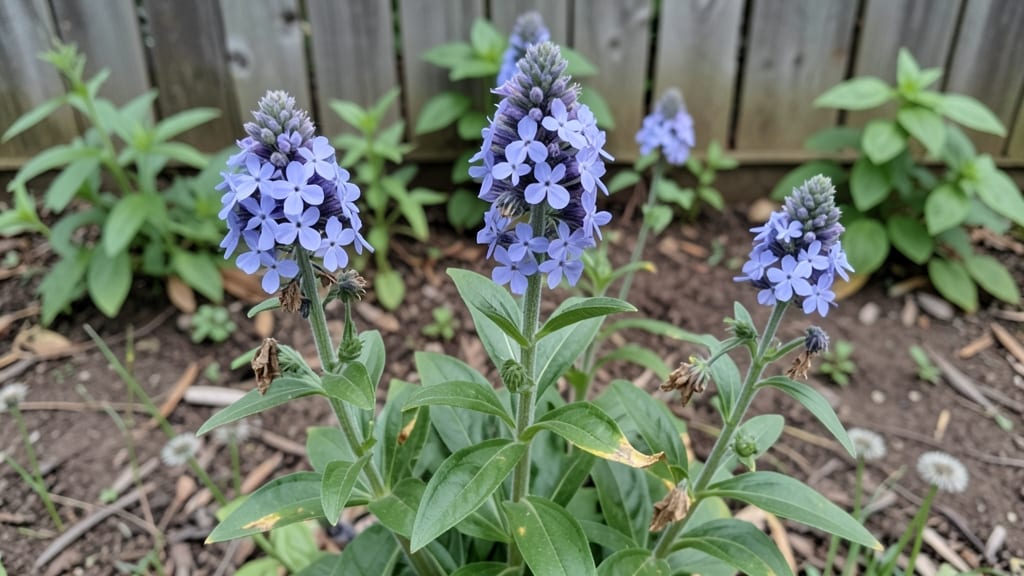
Garden phlox 🌸 can grow anywhere from 1 to 5 feet tall, depending on the variety and growing conditions you provide.
If you’re dreaming of a vibrant garden filled with cascading blooms but wondering whether garden phlox will tower over your landscape or stay neatly contained, you’re in the right place.
Some varieties stay compact at just 1–2 feet, perfect for borders, while others reach 4–5 feet and need staking to prevent flopping.
Understanding their mature height isn’t just about aesthetics—it’s about maximizing their beauty while avoiding overcrowded, leggy plants that struggle to thrive. The right spacing, sunlight, and soil prep can make all the difference between a full, bushy display and a tall, floppy mess.
Below, I’ll break down the height ranges by variety, how to space them for optimal growth, and simple care tips to keep your garden phlox thriving—no guesswork required.


Garden phlox height by variety: compact to towering options
Choosing the right garden phlox variety depends entirely on your space and design goals.
Some cultivars stay as short as 12 inches, perfect for container gardens or border edges, while others can reach 5 feet tall, making them ideal for backyard focal points or cut flower arrangements.
The key is matching the mature height to your planting zone and aesthetic vision.
Phlox varieties fall into three broad categories: dwarf (12–24 inches), intermediate (24–36 inches), and tall (36–60 inches). Each category offers unique color options and bloom times, from early summer dwarf phlox to late-summer tall phlox.
Knowing these ranges helps you avoid overcrowding and ensures your garden stays balanced and visually appealing.
For example, the 'Lipstick' series stays compact at 18–24 inches, ideal for rock gardens or window boxes, while 'David' can stretch to 4–5 feet, perfect for backdrop planting. Understanding these differences lets you create layered garden beds that thrive without competing for space.
Below is a quick reference for popular phlox varieties and their mature heights, helping you visualize how they’ll fit into your landscape. Whether you’re designing a pollinator-friendly garden or a cut flower patch, these details are your roadmap to success.
🌸
If you’re working with a small garden, dwarf varieties like 'Lipstick' or 'Delta Pleasure' will keep your space tidy while still delivering vibrant blooms. These compact phlox varieties thrive in containers or narrow beds, making them perfect for urban gardens or patios where space is limited.
For larger landscapes, tall phlox like 'David' or 'Jeana' create stunning vertical interest. When planted in groups, they form a lush, flower-filled backdrop that attracts butterflies and hummingbirds. Just be sure to provide supportive stakes if your garden experiences strong winds or heavy rain.
One common mistake is planting tall phlox too close to shorter perennials, which can lead to overcrowding and reduced airflow. This increases the risk of powdery mildew, a fungal disease that thrives in dense, humid conditions.
To prevent this, space tall varieties at least 24–36 inches apart and dwarf varieties at 12–18 inches.
Pro tip: If you love the look of tall phlox but have limited space, consider pruning them back by one-third after the first flush of blooms. This encourages a second bloom cycle and keeps the plant more compact while extending your flowering season.
🌿
Optimal spacing and planting strategies for healthy growth
Proper spacing and planting strategies are the foundation of a thriving phlox garden. When you crowd these plants, they compete for nutrients, leading to stunted growth and fewer blooms.
The key is matching your phlox variety to its ideal spacing—whether it’s a dwarf cultivar or a towering tall phlox—to ensure each plant has room to flourish without becoming leggy or overcrowded.
Before planting, prepare your soil by amending it with compost or well-rotted manure to improve drainage and fertility. Phlox prefers moist, well-draining soil with a slightly acidic to neutral pH (6.0–7.0).
If your soil is heavy clay, mix in sand or perlite to prevent waterlogging, which can lead to root rot and reduced blooming. A little effort here pays off with healthier plants and more vibrant flowers.
Now, let’s dive into the specifics. Understanding how tall your phlox will grow helps you plan spacing, sunlight exposure, and even pruning routines. Here’s what you need to know:
- Dwarf phlox (12–18 inches tall): Space 12–18 inches apart in full sun to partial shade. Ideal for borders, edging, or small gardens where space is limited.
- Intermediate phlox (18–24 inches tall): Allow 18–24 inches of space between plants. These thrive in partial shade and are perfect for mid-border plantings.
- Tall phlox (24–36+ inches tall): Give them 24–36 inches of space to prevent overcrowding. Plant in morning sun with afternoon shade to avoid leggy growth.
- Soil depth matters too: Dig a hole twice as wide as the root ball but no deeper. This encourages root expansion and stability.
- Watering after planting: Keep soil consistently moist for the first 2–3 weeks to help roots establish.
Once your phlox is planted, pruning plays a crucial role in controlling height and encouraging fuller blooms. After the first flush of flowers fades, cut back one-third of the stems to promote secondary blooming.
For tall varieties, prune in early summer to prevent flopping. Avoid heavy pruning late in the season, as this can reduce winter hardiness.
Sunlight is another critical factor. While phlox can tolerate partial shade, they bloom best with 4–6 hours of morning sun. If you’re growing tall varieties in full sun, monitor for signs of stress like wilting or yellowing leaves, and provide afternoon shade if needed.
Mulching around the base with organic mulch helps retain moisture and regulates soil temperature, which is especially helpful during hot summers.
By following these spacing guidelines and care tips, your garden phlox will reach their full potential—producing lush, healthy blooms year after year without taking over your landscape.
With the right balance of sunlight, soil prep, and pruning, you’ll avoid the common mistake of overcrowding and create a stunning display of color and texture.