
Pests
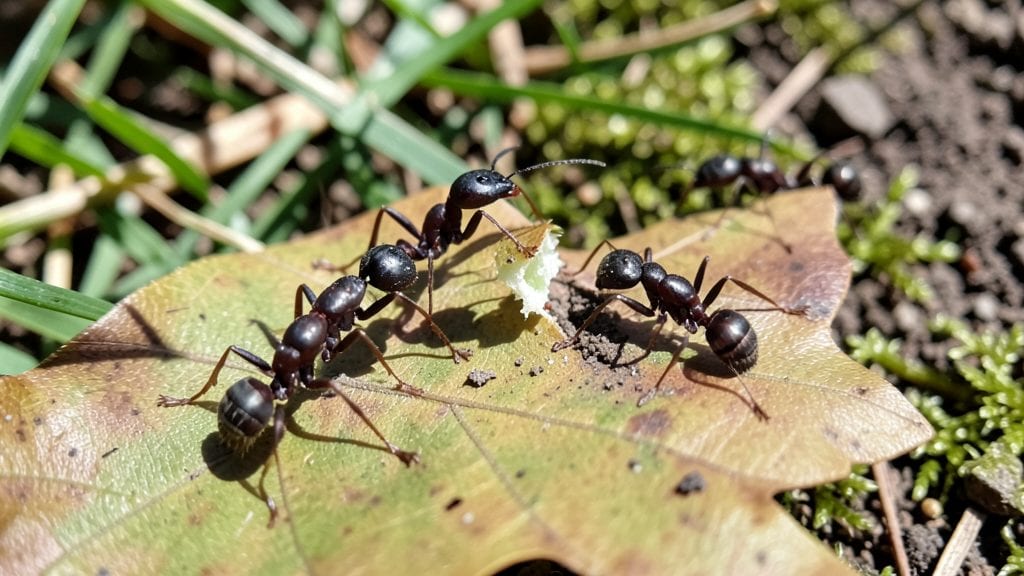
Learn how to deter ants from garden the easy way—this citrus and spice barrier stopped their invasion cold, saving my plants from aphid farms and root raids. 🌱 The key? A few natural ingredients that ants hate but won’t harm your soil or pollinators.
You’ll need peels from lemons or oranges, ground cinnamon, and crushed red pepper flakes—all things you likely already have. Mix them into a paste with water and paint a thick line around garden beds, pots, or problem spots.
The scent confuses their trail markers, and the spice burns their antennae. Reapply after rain or every few weeks for best results.
Within days, you’ll notice fewer scouts returning to your plants. The barrier doesn’t kill ants outright—it disrupts their colonies, forcing them to relocate. Your veggies stay aphid-free, roots stay undisturbed, and you avoid harsh chemicals. Plus, the citrus smell masks the scent of your plants from other pests too.
Works for sugar ants, fire ants, and even carpenter ants—just adjust the spice ratio for tougher species. For extra defense, sprinkle diatomaceous earth along the barrier line. Now let’s get those trails cleared for good!
📚 In This Guide
- What you need
- Instructions
- Tips and common mistakes
- Wrapping up and next steps
What you need
- ● Citrus peels: 1–2 oranges, lemons, or grapefruits (organic, pesticide-free preferred)
- ● Spices: 1 tbsp black pepper (whole or ground)
- ● 1 tbsp cinnamon (ground or sticks)
- ● 1 tsp cloves (whole or ground)
- ○ 1 tsp cayenne pepper (optional for extra kick!)
- ● Water: 2 cups (for soaking or mixing)
- ● Spray bottle: 8–16 oz (with a fine mist nozzle)
- ● Small bowl or container: For mixing ingredients
- ○ Gloves (optional): To protect hands from spices or citrus oils
- ● Cheesecloth or strainer: To strain spice-citrus tea if you prefer a cleaner spray
- ● Markers or flags: To label your ant-free zones (fun and functional!)
- ● Diatomaceous earth (food-grade): 1–2 tbsp (sprinkle around the perimeter for extra defense)
- ● Vinegar: 1 cup (mix with water for a quick ant-repelling rinse)
- ● Reusable containers: For storing pre-mixed spice blends
Step-by-step instructions for creating a citrus-spice ant barrier
Here’s my go-to method for keeping ants out of your garden naturally—no chemicals, just kitchen scraps and spices.
🌱 Step 1: Gather and Prepare Your Materials
Start by collecting citrus peels (orange, lemon, or grapefruit) and spices like cinnamon, cloves, or black pepper. I like to use peels from 2-3 citrus fruits and 1 tablespoon of each spice for a small garden. Place these in a bowl and chop the peels into small pieces—no need to be precise, just break them into manageable chunks.
This combination works because ants hate the scent of citrus and spices. The oils in these materials disrupt their trails, making them think twice before crossing into your garden. I always add a splash of warm water to the mix to help release the oils and make the barrier more effective.
💧 Step 2: Create the Barrier Line
Choose a 12-18 inch wide path around your garden beds or along walkways where ants typically travel. This width ensures the scent is strong enough to deter them. I like to place the citrus-spice mix in a shallow dish or directly on the ground along this path.
For a stronger barrier, press the mix into the soil slightly so the scent lingers longer. If you’re using a dish, place it every 3-4 feet to maintain a continuous line. The key here is consistency—ants are persistent, so you want to cover all possible entry points.
☀️ Step 3: Refresh the Barrier Regularly
Check your barrier every 3-4 days and replace the mix if it starts to dry out or lose its scent. Ants will eventually get used to the same scent if it’s not refreshed. I like to store extra citrus peels in a sealed container in the freezer so I always have fresh material on hand.
On rainy days, the barrier might wash away, so I add a little extra mix or sprinkle some dry spices along the line to reinforce it. The goal is to keep the scent strong enough to confuse their trails. If you notice ants still crossing the line, move the barrier slightly inward or add more spices to intensify the scent.
✂️ Step 4: Reinforce with Additional Deterrents
For extra protection, sprinkle dried herbs like mint, lavender, or rosemary along the barrier line. These herbs naturally repel ants and add another layer of defense. I also place diatomaceous earth (food-grade) lightly around the perimeter—it’s harmless to plants but deadly to ants.
Combine these methods for the best results. The citrus-spice barrier disrupts their scent trails, while the herbs and diatomaceous earth create a physical and chemical barrier they won’t cross. This combo has kept ants out of my garden for years with zero harm to my plants or the environment.
⏰ Step 5: Monitor and Adjust as Needed
Keep an eye on your garden for 1-2 weeks after setting up the barrier. If you see ants still trying to invade, adjust the line or add more spices. Sometimes, ants find weak spots, so I like to walk the perimeter weekly and top up any areas where the scent seems faded.
This method is especially effective in spring and summer when ants are most active. In cooler months, you might need to refresh the barrier less often, but it’s still worth keeping it up to prevent early-season invasions. With a little maintenance, your garden will stay ant-free all season long.
Tips & tricks for creating an effective citrus-spice ant barrier
A few simple tricks can make your citrus-spice barrier even more effective against those persistent ants. Here's what I've learned from years of keeping my garden ant-free.
Citrus Selection Matters: Don't just use whatever citrus you have on hand—opt for grapefruit peels if possible. They contain higher concentrations of limonene, the compound ants absolutely despise. If you're using oranges or lemons, double the quantity slightly (use peels from 3-4 fruits instead of 2-3) to compensate. The stronger the citrus scent, the better the deterrent. I also find that slightly dried peels work better—lay them out for 24 hours before using to intensify the oils.
Spice Blend Strategy: While the instructions suggest using cinnamon, cloves, and black pepper, I've found that adding a pinch of cayenne pepper (about ¼ teaspoon) creates an even stronger barrier. The capsaicin in cayenne is particularly effective at disrupting ant trails. Store your spice blends in small jars with tight lids to preserve their potency between uses. I keep mine in the freezer to prevent moisture loss and maintain freshness for up to 6 months.
Barrier Line Precision: When creating your 12-18 inch wide path, think about ant behavior. Place your barrier slightly inward from where you typically see ant activity—ants will follow their existing trails right up to your barrier line. For particularly stubborn ant colonies, create a double line with a 6-inch gap between them. This creates a "no man's land" that confuses their scent trails even more effectively. I've found this works especially well for fire ants, which are particularly aggressive.
Rainy Day Reinforcement: On days when rain is forecasted, sprinkle a thin layer of diatomaceous earth along your barrier line before the storm hits. The earth will absorb some of the water while still maintaining its ant-repelling properties. After the rain, refresh your citrus-spice mix and add a few extra drops of warm water to help the oils re-release. This two-step approach creates a double barrier that's especially effective during wet conditions when ants become more active.
Pro Tips for Deter Ants From Garden
- A few simple tricks can make your citrus-spice barrier even more effective against those persistent ants.
- Citrus Selection Matters: Don't just use whatever citrus you have on hand—opt for grapefruit peels if possible.
- Spice Blend Strategy: While the instructions suggest using cinnamon, cloves, and black pepper, I've found that adding a pinch of cayenne pepper (about ¼ teaspoon) creates an even stronger barrier.
Frequently asked questions
Got questions about keeping ants out of your garden? You’re not alone! Here are some common concerns—and practical answers—to help you create an ant-free oasis without the hassle.
Will citrus peels really work, or is it just a myth?
Citrus peels do work—but they’re not a magic bullet. The limonene in citrus repels ants by disrupting their scent trails. For best results, crush or grind peels (releasing more oils) and reapply every few days, especially after rain. Combine with spices like cinnamon for a stronger barrier!
How long does it take to see results?
You’ll notice a difference within 24–48 hours if ants are already present, but full deterrence may take 3–7 days. Ants are persistent, so consistency is key. Reapply your citrus-spice mix after watering or heavy rain to maintain the barrier’s potency.
Can I use this method around edible plants without harm?
Yes! Citrus peels and spices like cayenne or cinnamon are non-toxic to plants and pets (when used as directed). Avoid overapplying—stick to a thin layer around the garden’s perimeter. Just skip vinegar-based solutions if you’re growing acid-sensitive plants like blueberries.
What if ants keep coming back after I treat the area?
Ants might return if they’re finding food sources (like fallen fruit or pet food) or if their colony is nearby. Double-check your garden:
- Pick up dropped fruit or seeds.
- Store compost away from garden edges.
- Seal cracks in hoses, pots, or mulch piles.
- Consider a borax-free ant bait station (like diatomaceous earth) for heavy infestations.
Does weather affect how well these remedies work?
Heat and dry conditions enhance citrus-spice effectiveness (ants hate the scent more!), but rain can wash it away. On rainy days, reapply your barrier or use a spray bottle with water + a few drops of citrus oil as a quick fix. Avoid treating right after watering—let the ground dry slightly first.
Wrapping up and next steps
Keeping ants out of your garden doesn’t have to be a battle—just a few natural, citrusy, and spicy tricks can make your green space their last stop! 🌿 By leveraging peel barriers, vinegar sprays, and cayenne blends, you’re not just deterring pests; you’re creating a thriving, ant-free haven.
Start small, stay consistent, and soon your garden will be the envy of the neighborhood—without a single unwanted visitor.
Ready to reclaim your garden? Pick one method today, test it out, and watch those tiny invaders take the hint! 🚫🐜 For extra peace of mind, check our FAQs or explore prep tips to supercharge your ant-free strategy.