
Pests
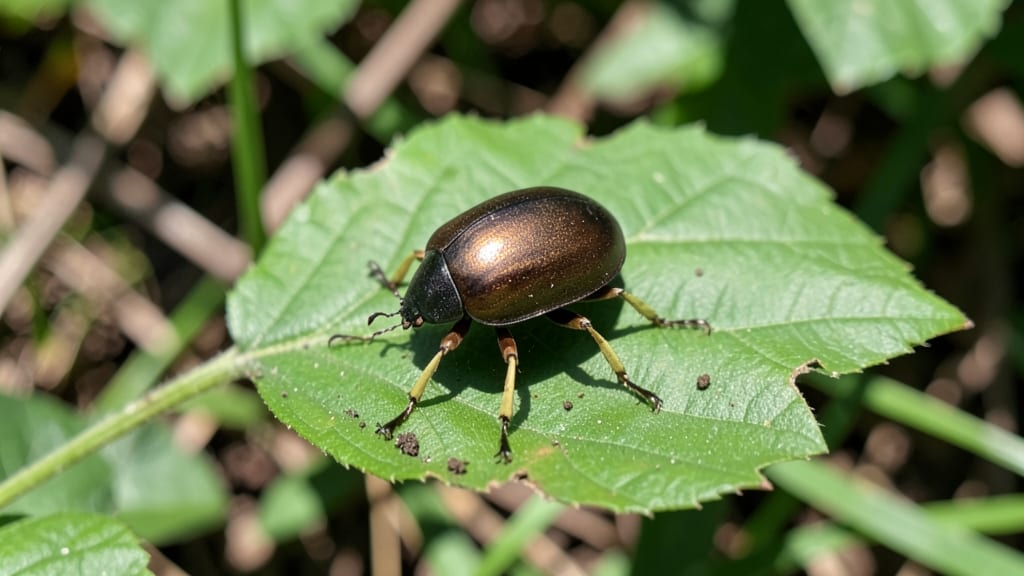
Getting rid of Asiatic garden beetles starts with understanding their sneaky habits—these shiny, black-and-orange pests chew through leaves overnight, leaving behind ragged edges that look like a lawnmower went through your garden. 🌿 I’ve battled them for years, and the key is catching them early before they strip your plants bare.
The good news? Organic traps work better than most chemical sprays, and they won’t harm your soil or pollinators.
These beetles thrive in dry, sunny spots, so they’re drawn to mulch piles, compost heaps, and even the edges of your driveway where they bask in the heat.
The best organic traps are simple beer bottles buried in the soil—beetles fall in, drown, and you’re left with a natural, chemical-free solution. It’s not instant, but within a week, you’ll see fewer beetles and more intact leaves on your favorite plants.
Once you’ve trapped the adults, focus on preventing larvae from hatching in your lawn. Overwatering grass creates the perfect breeding ground, so adjust your watering schedule and aerate compacted soil.
Healthy turf crowds out their favorite habitat, and your garden will bounce back faster than you think. The payoff? Lush, beetle-free plants by midsummer.
This method works for vegetable gardens, flower beds, and even ornamental shrubs—no matter how bad the infestation looks now. The secret is consistency: check traps weekly, adjust watering, and repeat until those shiny beetles become a distant memory. Let’s get your garden back to thriving.
Root Causes of Beetle Infestations
The Asiatic garden beetle (Maladera castanea) doesn’t just show up out of nowhere—it thrives because of specific conditions in your landscape. Understanding these triggers helps you prevent future outbreaks instead of just reacting to them. Here’s why these beetles become a nuisance in the first place.
###
🌱 Overwatered or Poorly Drained Soil
The Asiatic garden beetle’s larvae (grubs) love moist, organic-rich soil—think of it as their all-you-can-eat buffet. Here’s why your lawn or garden might be inviting them:
- Excessive irrigation: Overwatering keeps soil consistently damp, creating the perfect breeding ground for grubs. Pro tip: Test your soil’s moisture by squeezing a handful—if water drips out, you’re overdoing it.
- Compacted or clay-heavy soil: These soils hold moisture longer and lack aeration, making it easier for grubs to burrow and thrive. Solution: Aerate your lawn in early fall to improve drainage.
- Organic matter buildup: Grass clippings, leaves, or compost piles near planting beds provide food for larvae. Avoid: Piling mulch or debris directly against garden edges.
###
🌿 Grass or Plant Debris as Food Sources
Adult beetles and their larvae feed on a wide range of plants, but they have favorites—especially in late summer and fall. Here’s what’s on their menu:
| Plant Type | Why It Attracts Them |
|---|---|
| Turfgrass (especially Kentucky bluegrass, fescue) | Larvae chew on grass roots, weakening lawns. Adults feed on foliage at night. |
| Vegetable gardens (corn, beans, peas) | Beetles eat leaves and stems, reducing yields. Grubs munch on roots. |
| Fruit trees (apple, cherry, peach) | Adults defoliate trees, stressing them. Larvae damage root systems. |
| Ornamental plants (roses, hydrangeas, daylilies) | Beetles skeletonize leaves, leaving a lacy pattern behind. |
Key takeaway: If your garden has lush, healthy plants—especially in late summer—you’re basically rolling out the welcome mat for these pests.
###
🌍 Warm, Humid Climates (But They’re Spreading)
The Asiatic garden beetle originated in East Asia and thrives in warm, humid regions, but they’ve adapted to survive in U.S. zones 5–9. Here’s how climate plays a role:
- Mild winters: In areas with little to no snow cover, grubs survive underground until spring. Example: The Midwest and Northeast see outbreaks after winters with minimal freezing.
- Hot, humid summers: Adult beetles emerge in July–September when temperatures hit 75–85°F. They’re most active at dusk and night, feeding on plants.
- Rainfall patterns: 1–2 inches of rain per week keeps soil moist long enough for larvae to develop. Drought followed by heavy rain? That’s an infestation waiting to happen.
💡 Pro tip: If you live in a transition zone (like parts of Pennsylvania or Virginia), you’re at higher risk—these beetles are expanding their range every year.
###
🛌 Lack of Natural Predators (Yet)
Unlike some pests, the Asiatic garden beetle doesn’t have many natural enemies in North America—yet. Here’s why they’ve taken over so easily:
- No established predators: Birds, toads, and parasitic wasps (which control beetles in Asia) haven’t adapted to target this species yet.
- Chemical overuse: Broad-spectrum pesticides kill beneficial insects (like ground beetles and soldier beetles) that could help control populations.
- Rapid reproduction: A single female can lay 40–60 eggs in a season, and larvae mature in 4–6 weeks under ideal conditions.
✨ Silver lining: Encouraging native predators (like centipedes or predatory stink bugs) through diverse plantings can slowly reduce their numbers over time.
How to solve it
Once you’ve identified the Asiatic garden beetle (AGB) invasion in your yard, it’s time to act—but don’t panic! These beetles are stubborn, but with the right strategies, you can reclaim your garden without resorting to harsh chemicals.
Below, we’ve mapped out targeted solutions based on the root causes of your infestation, from larval damage to adult beetle swarms, plus prevention tips to keep them away for good. 🚀
###
🌱 Overwatered or Compacted Soil? → Fix Larval Grubs
If your lawn or garden soil is soggy or densely packed, it’s an all-you-can-eat buffet for AGB larvae. These white, C-shaped grubs munch on roots, leaving brown patches and weak plants in their wake. Here’s how to starve them out:
- 🔥 Drain & Aerate: Use a core aerator (rent one if needed) to poke holes in compacted soil. This improves drainage and exposes grubs to predators like birds and toads. Do this in early fall or spring when larvae are most active.
- 🍳 Organic Larvicides: Apply beneficial nematodes (like Heterorhabditis bacteriophora) to your soil. These microscopic worms seek out and kill grubs naturally. Follow package instructions—usually, water the soil thoroughly after application.
- 🌡️ Soil Temperature Trick: AGB larvae thrive in warm, moist soil. In late summer, let the topsoil dry out slightly by reducing irrigation. This disrupts their life cycle and encourages predators to move in.
Pro Tip: 💡 Mix diatomaceous earth (food-grade only!) into the top inch of soil. It dehydrates grubs on contact—just reapply after rain.
###
🍎 Adult Beetles Feasting on Leaves? → Trap & Remove Them
Adult AGBs are nocturnal leaf-chewers, often targeting fruit trees, grapes, and vegetables. Since they’re drawn to light, you can exploit their habits with simple (and effective) traps:
- 🕯️ Light Trap DIY:
- Place a white sheet or bucket under a porch light, floodlight, or even a blacklight (UV light attracts them more).
- Add a little soapy water to the container to drown fallen beetles.
- Check traps daily and dispose of beetles in soapy water or a sealed bag.
- 🍺 Beer Trap (Yes, Really!):
- Bury a shallow container (like a plastic cup) in the soil near infested plants.
- Fill it with beer or yeast water—AGBs are attracted to the fermentation scent.
- Cover the top with plastic wrap and poke small holes. Beetles crawl in but can’t escape!
- 🕵️♂️ Handpicking at Dusk: Grab a flashlight and gloves, then shake plants gently. Adult beetles will drop into a waiting bucket of soapy water. Do this for 3–4 nights in a row for best results.
Pro Tip: ✨ Neem oil spray can deter adult beetles. Mix 2 tbsp neem oil with 1 tsp mild soap and 1 quart of water. Spray foliage in the evening to avoid harming bees.
###
🌿 Grubs Returning Year After Year? → Break the Life Cycle
AGBs have a 1-year life cycle, meaning grubs from this summer’s eggs will emerge next year if left unchecked. To prevent a repeat infestation:
- 🐦 Encourage Natural Predators:
- Plant native wildflowers to attract birds, toads, and ground beetles—all of which eat AGB larvae.
- Leave leaf litter in shady areas to shelter predator insects.
- ⏰ Strategic Watering: Water lawns deeply but infrequently (e.g., 1–2 times per week) to avoid creating a grub-friendly wet zone. Early morning watering helps soil dry faster.
- 🌱 Overseed Bare Spots: Fill in thin or dead patches with cool-season grass seed (like ryegrass) in fall. Healthy turf crowds out grubs by limiting their food sources.
- 🔄 Crop Rotation: If you grow vegetables, rotate plant families yearly. AGBs target specific crops (e.g., corn, grapes, beans), so disrupting their menu reduces temptation.
Pro Tip: 🎯 For severe infestations, apply milky spore bacteria to your lawn in early fall. It’s a long-term biological control that targets Japanese beetle grubs (a close cousin of AGBs) and can reduce populations by up to 70%.
###
🛡️ Prevention Checklist for Next Season
Stop AGBs before they start with these low-maintenance habits:
| Task | When to Do It | How to Do It |
|---|---|---|
| Test soil moisture | Spring & Fall | Stick a screwdriver into the soil—if it goes in easily, it’s too wet. Adjust irrigation. |
| Aerate compacted areas | Early Fall | Rent a core aerator or use a garden fork to poke holes every 3–4 inches. |
| Set up light traps | June–August (peak adult season) | Place traps near problem areas and check daily. |
| Apply beneficial nematodes | Late Summer (when grubs are small) | Water soil first, then apply nematodes with a hose-end sprayer. |
| Plant predator-friendly flowers | Spring | Add marigolds, dill, or yarrow near garden edges to attract beneficial insects. |
With consistency, you’ll dramatically reduce AGB populations in 1–2 seasons. And remember: the key is combining methods—traps for adults, nematodes for larvae, and prevention for long-term peace. Your garden (and your sanity) will thank you! 🌻
Frequently asked questions
Why do I see more Asiatic garden beetles in my garden at dusk?
These beetles are nocturnal and most active between 8 PM and midnight when temperatures drop to 70–80°F. They feed on leaves at night, leaving behind ragged edges, and are drawn to light sources like porch lights, which is why you spot them then. Setting up light traps or checking plants with a flashlight during these hours can help catch them before they cause damage.
How do I know if my lawn has Asiatic garden beetle larvae?
Look for irregular brown patches in your lawn, especially after rain or during late summer/fall. Dig up a small section of sod—if you find white, C-shaped grubs about ½-inch long burrowing near the roots, that’s a sure sign. They’re often found in moist, organic-rich soil, so check areas with excess mulch or poor drainage first.
Are there chemical-free ways to stop larvae from hatching?
Start by aerating your lawn in early fall to improve drainage, then apply beneficial nematodes (like Heterorhabditis bacteriophora) to your soil. These microscopic predators seek out and kill grubs naturally. For extra protection, let the topsoil dry slightly in late summer by reducing watering—larvae can’t survive in dry conditions.
Will milky spore really work for Asiatic garden beetles?
Milky spore (Bacillus popilliae) is primarily effective against Japanese beetle grubs, but it can also help reduce populations of similar pests like Asiatic garden beetles. Apply it to your lawn in early fall when larvae are small—it takes 2–3 years to build up and provide long-term control. For best results, combine it with other methods like traps and aeration.
Can I use beer traps for larvae, or do they only work for adults?
Beer traps are only effective for adult beetles, not larvae. Bury a container filled with beer near infested plants—the adults are attracted to the fermentation scent and drown inside. For larvae, focus on beneficial nematodes or aerating compacted soil to disrupt their habitat. The two methods work together to tackle the full life cycle of the beetle.