
Size
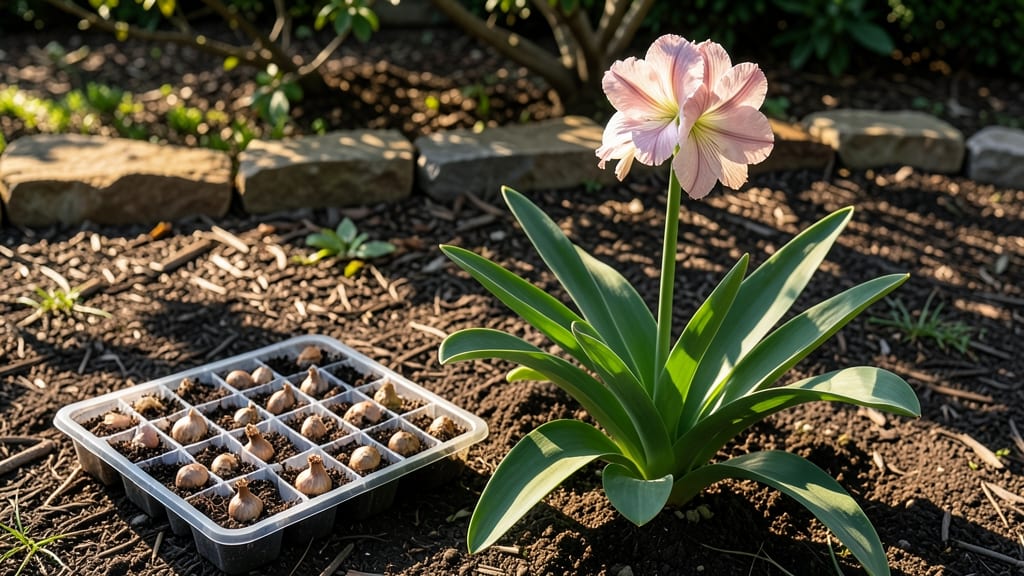
Learn how to get sun bulb in grow a garden—nothing beats the joy of watching those towering stalks rise from a tiny packet of seeds. 🌻 I’ve started hundreds of sunflower seeds over the years, and the key to success lies in the soil, timing, and a little patience.
Sunflowers thrive when planted in well-draining soil with plenty of sunlight, but even beginners can nail this with the right approach.
The first step is simple: choose your spot. Sunflowers need at least 6-8 hours of direct sunlight daily, so pick the sunniest patch in your yard.
Loosen the soil to a depth of 6 inches, mix in a little compost for nutrients, and plant seeds 1 inch deep, spacing them 6 inches apart.
Water gently after planting—no need to soak the soil, just keep it lightly moist until sprouts appear in 7-14 days.
Once those first green shoots break the surface, the real fun begins. Sunflowers grow fast—3-4 inches per day—so keep the soil consistently moist but not soggy. In just 8-10 weeks, you’ll be harvesting seeds or cutting blooms for arrangements.
The best part? Sunflowers are drought-tolerant once established, so they’re perfect for busy gardeners who want low-maintenance beauty.
Here’s where most people trip up: overwatering or planting too deep. Stick to the 1-inch rule and avoid heavy watering after germination. With the right care, your sunflowers will reach 6-12 feet tall, turning heads and attracting pollinators all summer long. Ready to grow your own sunflower giants?
📚 In This Guide
- What you need
- Instructions
- Tips and common mistakes
- Wrapping up and next steps
What you need
- ● Sun bulb (tulip, daffodil, or similar) – 1-5 bulbs (depending on your garden size). Choose healthy, firm bulbs with no soft spots or mold.
- ● Well-draining potting mix or garden soil – 2-3 gallons (for pots) or amended garden soil (for in-ground planting). Mix in compost or perlite for better drainage.
- ● Container or garden bed – For pots: 6-12 inch deep containers with drainage holes (1 per bulb).
- ● For in-ground: Loose, fertile soil with 6+ inches of depth (sun bulbs hate soggy roots!).
- ● Watering can or hose with a gentle spray nozzle – For moist (not soggy) watering.
- ○ Fertilizer (optional but helpful) – Balanced 10-10-10 fertilizer (1 tbsp per bulb at planting).
- ● Bone meal (for phosphorus boost, ½ cup per 5 bulbs).
- ● Bulb planter or dibber – For easy, precise planting in tight spaces.
- ● Mulch (straw or shredded leaves) – 1-2 inches to insulate roots and retain moisture.
- ● Plant labels – To track varieties (especially if mixing bulbs!).
- ● Grow lights (for indoor starts) – 12-16 hours of cool-white LED light if germinating indoors.
- ● Glove and knee pad – For comfy digging and handling.
Step-by-step guide to germinating sunflower seeds indoors
Sunflowers are one of the most rewarding plants to grow from seed—here's how I ensure strong, healthy starts every time.
🌱 Step 1: Prepare Your Seeds and Planting Medium
Start with 4 sunflower seeds (for your target yield) and fill 4-inch diameter pots with sterile seed-starting mix. Moisten the mix until it feels like a damp sponge—squeeze it gently and it should hold together without dripping. I like to work in a shallow tray to catch any excess water while filling the pots.
Press the soil down lightly with your fingers to create a firm surface. This prevents seeds from sinking too deep during watering. Make a small dimple in the center of each pot—just enough to cradle a seed. Sunflower seeds are large, so you won’t need to bury them deeply.
💧 Step 2: Plant and Maintain Ideal Moisture
Place one seed per pot, pressing it gently into the dimple so it makes contact with the soil. Cover it with ½ inch of soil—this depth ensures the seedling has energy to push through without exhausting itself. Water gently using a spray bottle until the soil surface looks uniformly damp.
Here's the thing—sunflower seeds need consistent moisture but hate soggy conditions. Place the pots in a warm spot (around 70-75°F) and cover them loosely with plastic wrap to retain humidity. Check daily and mist lightly if the soil feels dry to the touch. Germination typically takes 7-14 days—you’ll see the first true leaves emerge when the seedling is about 2 inches tall.
☀️ Step 3: Provide Light and Prevent Legginess
As soon as you see sprouts, remove the plastic wrap and move the seedlings to a sunny windowsill or under grow lights. Sunflowers need 12-14 hours of light daily to grow strong and sturdy. If your seedlings start stretching toward the light with long, thin stems, they’re leggy—a sign they’re not getting enough light.
Adjust the light source so it’s within 4 inches of the seedlings. You’ll notice the stems thicken and leaves darken to a rich green within a few days. Keep the soil evenly moist but not waterlogged—sunflowers are drought-tolerant once established, but seedlings need consistent moisture.
⏰ Step 4: Harden Off and Prepare for Outdoor Planting
Two weeks before your last frost date, begin hardening off the seedlings. Place them outside in a sheltered spot for 1-2 hours the first day, gradually increasing exposure over 7-10 days. Start with morning sun and bring them indoors before afternoon heat sets in. You’ll know they’re ready when they tolerate a full day outside without wilting.
Sunflowers love warmth, so wait until the soil is at least 55°F before transplanting. Choose a location with full sun (6+ hours daily) and well-draining soil. Dig holes twice as wide as the root ball and space them 6 inches apart for dwarf varieties or 12-18 inches apart for giant sunflowers.
🌿 Step 5: Monitor Growth and Support as Needed
After transplanting, water deeply at the base of each plant to encourage root growth. Sunflowers are heavy feeders, so mix in compost or a balanced fertilizer when planting. You’ll see rapid growth—expect stems to reach 1 foot tall in just 2-3 weeks.
Tall varieties will need staking or a cage to prevent them from toppling in wind or rain. Watch for pests like aphids or beetles, and treat them promptly with neem oil or insecticidal soap. With proper care, your sunflowers will bloom in 8-12 weeks, bringing vibrant color and joy to your garden.
Tips & tricks for perfect sunflower germination
The secret to thriving sunflower seedlings lies in the details—here's how to avoid common pitfalls and maximize your success.
Soil Preparation: Don't skip sterilizing your seed-starting mix if you're reusing containers. Sunflower seedlings are particularly susceptible to damping-off disease from contaminated soil. I microwave my mix for 2 minutes to kill pathogens, then let it cool completely before use. For the 4-inch pots, fill them just to ¾ capacity—this prevents overflow when watering and gives roots room to establish without crowding.
Germination Environment: Maintaining that 70-75°F range is crucial, but don't assume your home stays consistently warm. Place pots on top of your refrigerator (not inside) or use a seedling heat mat set to 75°F. I've seen germination times double when temperatures dip below 68°F. The plastic wrap creates a mini greenhouse effect—just remember to remove it immediately after sprouts appear to prevent mold.
Light Management: Those 12-14 hours of light aren't just about duration—they're about intensity. If your windowsill light is weak, supplement with LED grow lights. Position them within 4 inches of seedlings, but adjust as they grow. I rotate my pots daily to prevent uneven growth toward the light source. Watch for leggy seedlings (stems longer than 2 inches with sparse leaves)—this is your signal to increase light immediately.
Transplanting Timing: The 1-2 hour hardening-off schedule might seem short, but it's about gradual acclimation. Start with morning sun only, then add afternoon exposure over 7-10 days. I've learned the hard way that rushing this process leads to sunburned seedlings. Check soil temperature with a thermometer—55°F is your minimum, but aim for 60°F+ for optimal root establishment.
Pro Tips for Get Sun Bulb In Grow A Garden
- The secret to thriving sunflower seedlings lies in the details—here's how to avoid common pitfalls and maximize your success.
- Soil Preparation: Don't skip sterilizing your seed-starting mix if you're reusing containers.
- Germination Environment: Maintaining that 70-75°F range is crucial, but don't assume your home stays consistently warm.
Frequently asked questions
about growing sun bulbs (like sunflowers or other sun-loving plants) can help clear up confusion and save you time. Here are some common queries with quick answers:What’s the best time of year to plant sun bulb seeds in my garden?
For most sun-loving plants like sunflowers, plant seeds after the last frost when soil temperatures reach at least 60°F (15°C). In warmer climates, you can start as early as spring, while cooler zones may wait until late April or May. Check your local frost dates for precision!
Can I grow sun bulbs indoors first, or should I plant them directly outside?
Sun bulbs like sunflowers germinate best in warm soil, so direct sowing is ideal. However, if your season is short, you can start seeds indoors 2-3 weeks before the last frost in biodegradable pots. Just harden them off (acclimate to outdoor conditions) for a week before transplanting to avoid shock.
Why aren’t my sun bulb seeds sprouting? Troubleshooting tips?
Common issues include:
- Cold soil: Seeds need warmth (70°F/21°C) to sprout. Use a seedling heat mat or wait for warmer weather.
- Too deep: Sunflower seeds should be planted 1 inch deep—burying them deeper can prevent germination.
- Dampness: Overwatering can cause rot. Keep soil moist but not soggy until sprouts appear.
- Old seeds: Sunflower seeds lose viability after 2-3 years. Test viability by soaking seeds in water—if they sink, they’re likely good!
Are there sun bulb alternatives if I don’t have sunflowers?
Try these sun-loving bulb plants for your garden:
- Dahlias: Stunning blooms, but need staking.
- Canna lilies: Tropical vibes, great for borders.
- Gladiolus: Tall spikes, perfect for cut flowers.
- Tulip varieties (like Darwin Hybrid): Some tolerate full sun better than others.
How long does it take for sun bulbs to grow from seed to flower?
Sunflowers are fast growers! From seed to flower, expect:
- 7–10 days to germinate.
- 6–10 weeks to reach full height (varies by variety).
- 8–12 weeks total for blooms, depending on sunlight and care.
Wrapping up and next steps
Growing sun bulbs—like sunflowers or dahlias—is a rewarding journey that starts with patience and the right techniques. Whether you’re sprouting from seeds or transplanting bulbs, consistency in moisture, warmth, and light is key to success.
Don’t let a few setbacks discourage you; even experienced gardeners face challenges, but every sprouted bulb is a victory worth celebrating!
Now that you’ve mastered the basics, take the next step! Experiment with different sun-loving plants, try container gardening, or share your newfound knowledge with fellow green thumbs. Your garden—and future blooms—will thank you! 🌻✨