
Size
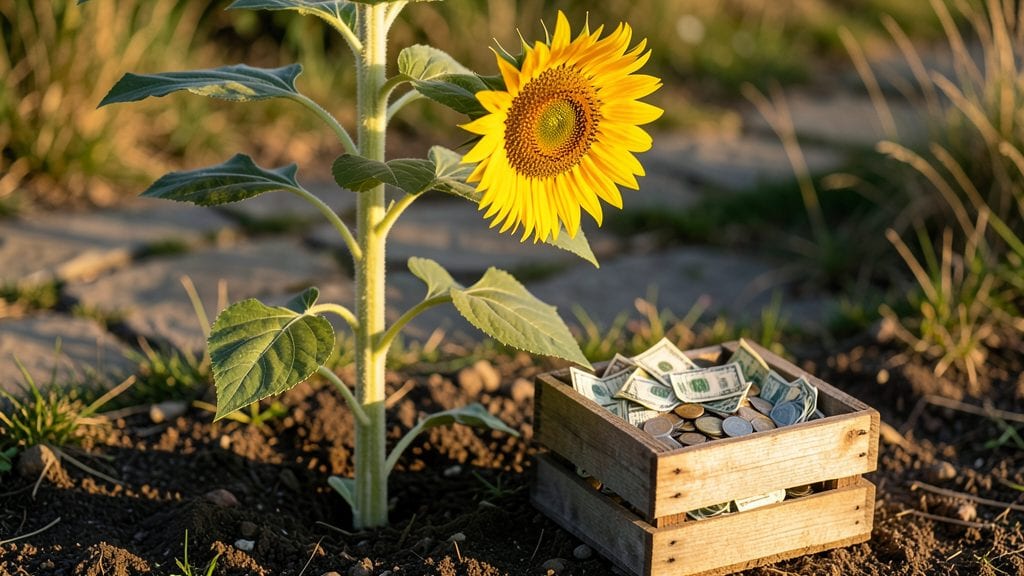
To give people money while growing a garden, use crowdfunding platforms like Kickstarter or Patreon, sell pre-order seeds, offer community-supported agriculture (CSA) shares, or collaborate with local food banks for donations. Transparency and clear value exchange build trust with supporters.
This approach turns your garden into a revenue stream while engaging your community. Crowdfunding lets you offer unique rewards like early harvest access or behind-the-scenes growing tips, creating excitement around your work. 🌱 For CSAs, you can structure payments upfront, ensuring steady cash flow while delivering fresh produce later.
Many gardeners also partner with food banks, where donations become tax-deductible contributions—win-win for both sides.
What makes these methods stand out is their flexibility. Whether you're a backyard gardener or running a small farm, these strategies adapt to your scale. For example, Kickstarter works well for one-time campaigns, while Patreon builds recurring support.
The key is showing supporters how their contributions directly impact your garden's growth—and their own benefits.
💡 In This Article
- Crowdfunding Platforms for Garden-Based Income
- Community-Supported Agriculture (CSA) Models for Garden Profits
Crowdfunding platforms for garden-based income
Crowdfunding platforms like Kickstarter, Indiegogo, and Patreon transform gardening into a community-backed business model. Each operates differently: Kickstarter is project-focused with all-or-nothing funding, while Patreon thrives on recurring monthly support.
For gardeners, Kickstarter shines for one-time campaigns like "Grow a Rare Heirloom Tomato Variety," where backers fund a specific harvest in exchange for seeds or produce. The platform's built-in marketing reaches 17 million monthly users, but success hinges on a 30-day campaign with clear milestones.
Reward tiers are where creativity meets strategy. A $25 tier might offer heirloom seed packets, while $100+ tiers include farm visits or named plant varieties. Patreon's subscription model works better for ongoing projects like educational content or monthly harvest shares.
The key difference? Kickstarter requires a 5% platform fee + payment processing (3-5%), while Patreon takes 5-12% per transaction plus payment fees. Tax-wise, gardeners must report all earnings—platforms don't withhold taxes, so set aside 20-30% for estimated quarterly payments.
Platform selection depends on your garden's scale. Small-scale growers thrive on Kickstarter's visual storytelling (think time-lapse videos of seed germination) while larger operations benefit from Patreon's recurring revenue.
Here's what to consider: Kickstarter's all-or-nothing model means you need 30-50% funding in the first week to gain momentum, whereas Patreon requires consistent content delivery. Both platforms have strict community guidelines—avoid misleading claims about yields or harvest dates, as violations can lead to account suspension.
Success stories reveal platform nuances. A 2022 Kickstarter campaign for "The Urban Microgreens Project" raised $18,000 by offering $50 tiers with monthly delivery of 12 microgreen varieties. Their secret? A 360° virtual tour of the growing space and weekly progress updates.
On Patreon, a perennial herb farm earns $1,200/month from 40 patrons paying $30/month for exclusive cutting access. The farm's 95% fulfillment rate builds trust through transparency about weather delays or pest issues.
Tax implications often trip up new garden crowdfunders. The IRS classifies crowdfunded garden income as self-employment earnings, requiring Schedule C reporting. Deductible expenses include seeds ($500/year for a home garden), soil amendments, and platform fees. Keep receipts for all equipment—even a $150 grow light counts.
Most gardeners underreport expenses by 20%, costing them thousands in missed deductions. Consider hiring an accountant familiar with agricultural crowdfunding to navigate Section 179 depreciation for equipment.
What most people don't realize is how platform algorithms favor certain content types. Kickstarter's search favors projects with high-quality images (3:2 aspect ratio)** and videos under 90 seconds. Patreon's algorithm rewards creators who post 2-3 times per week, even if it's just harvest updates.
The sweet spot? Combine visuals with storytelling—show the 3-inch seedlings you promised, then explain how backers' support made it possible. This emotional connection drives 20-30% higher conversion rates than transactional pitches.