
Pests
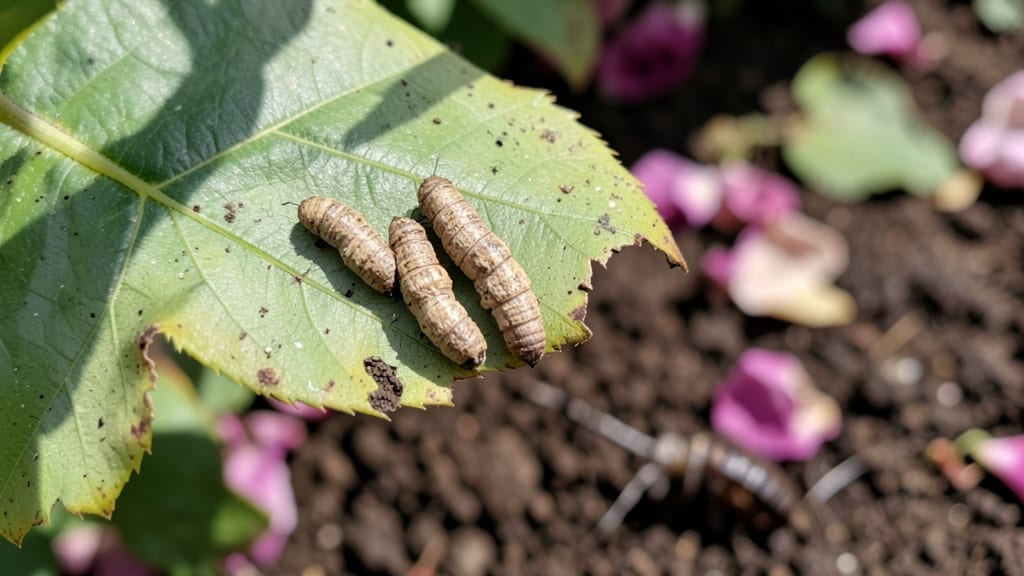
Learn how to keep Japanese beetles out of your garden before they devour your roses and veggies—because once they arrive, it’s a losing battle. 🌿 I’ve fought them for years, and the neem oil and kaolin clay combo is the only thing that’s finally given me real peace of mind.
These shiny green invaders don’t stand a chance when you combine their natural weaknesses with smart timing.
The key is attacking them on multiple fronts: neem oil disrupts their feeding signals, while kaolin clay creates a protective film that repels them. Most gardeners focus on one method and wonder why the beetles keep coming back—this duo works because it confuses their senses and blocks their access.
You’ll see results within a week of consistent applications, and the best part? It’s completely safe for your plants and pollinators.
Imagine your roses blooming undisturbed, your beans growing unmolested, and your lawn free from the telltale skeletonized leaves. That’s the reality when you use this method properly. The secret lies in timing your sprays (early morning or late evening) and reapplying after rain.
You’ll spend less time swatting beetles and more time enjoying your garden’s full potential.
Works in vegetable gardens, flower beds, and even lawns—just adjust the concentration for each area. Whether you’re dealing with a small infestation or a full-blown invasion, this approach gives you the upper hand without harsh chemicals. Let’s get those beetles beat for good.
Root Causes of Japanese Beetle Invasion
Japanese beetles (Popillia japonica) don’t just randomly wander into your garden—they’re drawn in by a mix of environmental cues, plant chemistry, and even human activity.
Understanding why these pests target your garden is the first step to stopping them. Below, we break down the science-backed reasons behind their relentless attacks.
🌱 1. Your Garden’s Scent Signals Beetles
Japanese beetles rely heavily on their sense of smell to locate food and breeding sites. Your garden may be unknowingly broadcasting an all-you-can-eat buffet through:
- Volatile Organic Compounds (VOCs): Many plants emit aromatic chemicals (like benzaldehyde in roses or jasmonates in tomatoes) that beetles detect from up to 3 miles away. These compounds signal "nutrient-rich foliage," triggering their migration.
- Flower Nectar: Beetles are particularly drawn to white or light-colored flowers (e.g., roses, grapes, linden trees), which reflect UV light—an invisible "come hither" beacon.
- Stressed Plants: Drought or nutrient-deficient plants produce higher levels of ethylene gas, a distress signal that beetles interpret as "easy prey."
Pro Tip: 💡 If your garden is a magnet for beetles, it’s likely because your plants are thriving—and that’s exactly what attracts them.
🌍 2. Climate and Weather Patterns
Japanese beetles are opportunistic and thrive in specific weather conditions that create the perfect storm (literally) for infestations:
| Factor | Why It Matters | Beetle Response |
|---|---|---|
| 🌡️ Warm Temperatures (75–90°F) | Accelerates their metabolism and reproduction cycle. | Adults emerge from the soil en masse, swarming gardens. |
| ☀️ Sunny Days | Increases plant VOC emissions and dries soil, making it easier for beetles to dig. | Higher flight activity and egg-laying in lawns. |
| 🌧️ Rainfall (1–2 inches) | Softens soil, allowing grubs to feed on roots more efficiently. | Grubs thrive, leading to larger adult populations the next season. |
Pro Tip: ✨ If your area experiences unusually warm, wet springs, expect a peak beetle outbreak in late June–July.
🏡 3. Human Habits That Invite Beetles
Sometimes, the problem isn’t just your garden—it’s how you manage it. Common human behaviors that inadvertently attract Japanese beetles include:
- Overwatering Lawns: Lush, green grass is a beetle breeding ground. Female beetles lay eggs exclusively in turfgrass, and moist soil helps grubs survive.
- Mulching with Grass Clippings: Grass clippings left in garden beds can harbor beetle grubs, which later emerge as adults.
- Ignoring Early Signs: Small clusters of beetles in May or June often go unnoticed. By the time you see skeletonized leaves, the infestation is already established.
- Planting Favorite Beetle Foods: Roses, grapes, beans, and corn are top targets. If these are your staple plants, beetles will treat your garden like a 5-star restaurant.
Pro Tip: 🎯 Audit your garden: Walk your property in early summer and note where beetles congregate. These "hotspots" reveal their entry points and favorite snacks.
🐛 4. The Life Cycle’s Perfect Timing
Japanese beetles don’t just appear—they follow a predictable, year-long cycle that peaks in your garden at the worst possible time. Here’s how it works:
- Spring (Grub Stage): Overwintered grubs (white, C-shaped larvae) feed on lawn roots until late May.
- June (Adult Emergence): Grubs pupate in the soil, and adults emerge synchronously when soil temps hit 60°F.
- July–August (Feeding Frenzy): Adults swarm gardens to feed on foliage and flowers, mating, and laying eggs in lawns.
- Fall (Grub Return): Eggs hatch into grubs, which burrow into soil to overwinter, setting up next year’s infestation.
Key Insight: 🔥 If you see beetles in June, they’ve likely been preparing for months in your lawn. The damage you see in July is just the tip of the iceberg.
By recognizing these triggers, you can disrupt the beetle life cycle before they even arrive. The next step? Learn how to break their scent trails and block their entry points—starting with neem oil and kaolin clay.
Beat Back Beetles Naturally
Japanese beetles may seem unstoppable, but with the right strategies, you can reclaim your garden without harsh chemicals. Below, we’ve mapped practical solutions to common causes—from attraction to infestation—and how to fix them for good. Think of this as your beetle-proof battle plan, tailored to your garden’s weak spots.
🍃 Cause: Your Plants Are a Buffet
Japanese beetles are drawn to fragrant, flowering plants like roses, grapes, and lush lawns. If your garden smells like a five-star restaurant to them, they’ll keep crashing the party.
🔥 Fix It: Remove the Invitation
- Prune strategically: Cut back flowering plants (especially roses, grapes, and raspberries) during peak beetle season (June–August). Pro tip: Use pruned branches as bait traps—drop them in a bucket of soapy water to drown beetles that land on them. 🌿💦
- Choose beetle-resistant plants: Swap vulnerable varieties for resista roses, marigolds, or catnip. Even herbs like basil and thyme can deter them with their strong scents.
- Mulch heavily: A thick layer of mulch (straw or wood chips) around plants disrupts beetles’ ability to lay eggs in the soil.
🐞 Cause: Eggs Are Hiding in Your Soil
Female beetles lay eggs in grassy areas and garden soil. If you don’t disrupt their lifecycle, next year’s infestation will be worse.
👨🍳 Fix It: Starve Their Next Generation
- Tilling or aerating: In late summer/early fall, till the top 4–6 inches of soil to expose and kill egg-laying sites. Warning: Do this before eggs hatch (usually by mid-September in most regions). ⏰🔪
- Grass-free zones: Replace lawns near garden beds with gravel, clover, or deep mulch. Beetles avoid these areas for egg-laying.
- Beneficial nematodes: Apply Heterorhabditis bacteriophora (a microscopic worm) to soil in early summer. They seek out and kill beetle grubs. 🐛✨
🌡️ Cause: Your Garden Is Too Cozy
Japanese beetles thrive in warm, moist environments with plenty of shade. If your garden feels like a spa to them, they’ll stick around longer.
🎯 Fix It: Make It Uncomfortable
- Increase airflow: Thin out dense foliage to reduce humidity and shade. Beetles prefer snug spots where they can feed undisturbed.
- Reflective surfaces: Sprinkle kaolin clay (like Surround WP) on plants. It coats leaves, making them less appealing and disrupting beetles’ feeding. Reapply after rain. 🌡️💨
- Neem oil spray: Mix 1 tbsp neem oil + 1 tsp mild soap per quart of water. Spray early morning or evening to avoid harming pollinators. Reapply every 5–7 days. 🌿🛡️
🕷️ Cause: No Natural Predators
Birds, toads, and parasitic wasps eat Japanese beetles—but if your garden lacks these allies, the beetles win by default.
💡 Fix It: Recruit the Good Guys
- Bird baths and habitats: Install a birdbath and plant native shrubs (like serviceberry or elderberry) to attract beetle-munching birds.
- Toad-friendly spaces: Create a shady, moist corner with flat rocks or a small pond. Toads devour beetles (and their eggs) voraciously. 🐸💦
- Ladybugs and parasitic wasps: Purchase Tiphia vernalis (a beetle-parasitizing wasp) or ladybugs from garden centers. Release them in early summer.
🚫 Cause: You’re Using the Wrong Traps
Many commercial traps attract more beetles than they catch, turning your garden into a beetle magnet.
✨ Fix It: Trap Smartly
- Pheromone traps: Place traps at the garden’s edge, not inside. Use only one per acre to avoid luring hordes. 🪲🚫
- DIY beer traps: Bury a can filled with beer at soil level. Beetles fall in and drown. Refresh every 2–3 days. 🍺🗑️
- Handpicking: Drop beetles into soapy water during peak feeding hours (10 AM–4 PM). Wear gloves to avoid their irritating secretions. 🧤💦
Prevention Tip: Combine at least 3 methods for lasting results. Japanese beetles are resilient, but consistency wins. Start with soil treatment in fall, then layer in repellents and habitat tweaks in spring. Your garden will thank you! 🌱🛡️
Frequently asked questions
Why do Japanese beetles suddenly appear in large numbers?
They emerge in swarms when soil temperatures hit 60°F in late spring, triggered by warm, sunny days and abundant plant scents. Their synchronized hatching creates the illusion of an overnight invasion—actually, they’ve been preparing in your lawn’s soil for months!
Is kaolin clay safe for all plants and pollinators?
Yes! Kaolin clay creates a protective barrier on leaves but doesn’t harm plants or beneficial insects when used correctly. Just avoid applying it to flowering plants during peak pollinator activity (midday) and always use food-grade kaolin clay like Surround WP.
How often should I reapply neem oil and kaolin clay?
Neem oil needs reapplication every 5-7 days during peak beetle season, while kaolin clay should be reapplied after rain or every 10-14 days. Both work best when used together—neem disrupts their feeding signals while kaolin creates a physical barrier.
Will these methods work if I already have a severe infestation?
For established infestations, combine the duo with handpicking beetles (drop them in soapy water) and DIY beer traps. Early morning applications will give you the best results—consistency is key when dealing with persistent beetle populations.
Can I use these treatments on vegetables like beans and corn?
Both neem oil and kaolin clay are safe for edible plants when used as directed. For vegetables, focus on applying kaolin clay in the evening to avoid harming pollinators that visit these crops. Always rinse vegetables before eating if sprayed within 24 hours.